“Unhas Biology Department Participates in the 2026 KOBI Congress to Strengthen Synergy in the Development of National Biology Education”
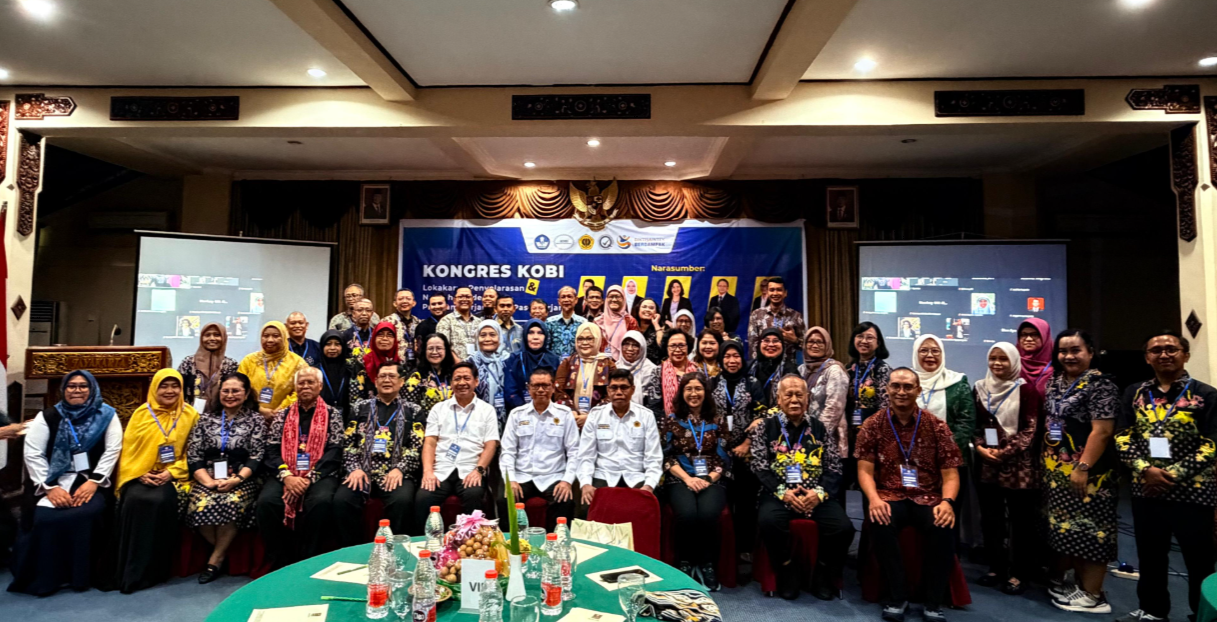
West Lombok, November 9, 2026 – The Biology Undergraduate Program, Faculty of Mathematics and Natural Sciences (FMIPA), Hasanuddin University (Unhas) participated in the 2026 Indonesian Biology Consortium (KOBI) Congress held at the Jayakarta Hotel in Senggigi, West Lombok, West Nusa Tenggara. The Unhas Biology delegation was represented by Dr. Magdalena Litaay, M.Sc., Chair of the Department of Biology and a member of the KOBI executive board, and Dr. Syahribulan, M.Si., Acting Chair of the Biology Undergraduate Program. The presence of Unhas representatives demonstrated the university’s commitment to contributing to the development of biology education and to strengthening networks and collaboration among universities in Indonesia.
The conference, attended by dozens of delegates from various universities, discussed a number of strategic agenda items, including the development of the biology curriculum under the theme “Impactful Biology Curriculum: Adaptive in Industry, Innovative in Research, Sustainable for the Earth,” the update to the Study Program Accreditation Instrument (IAPS) 3.1, and the harmonization of academic documents for undergraduate and graduate programs. In addition to the academic agenda, the forum also covered the history and future direction of KOBI, a discussion of the Articles of Association and Bylaws, and the election of a new organization chair. The participation of the Unhas Biology delegation in this forum provided an opportunity to stay abreast of developments in higher education policy, share experiences, and absorb various strategic ideas relevant to improving the quality of education in the Unhas Biology Undergraduate Program.
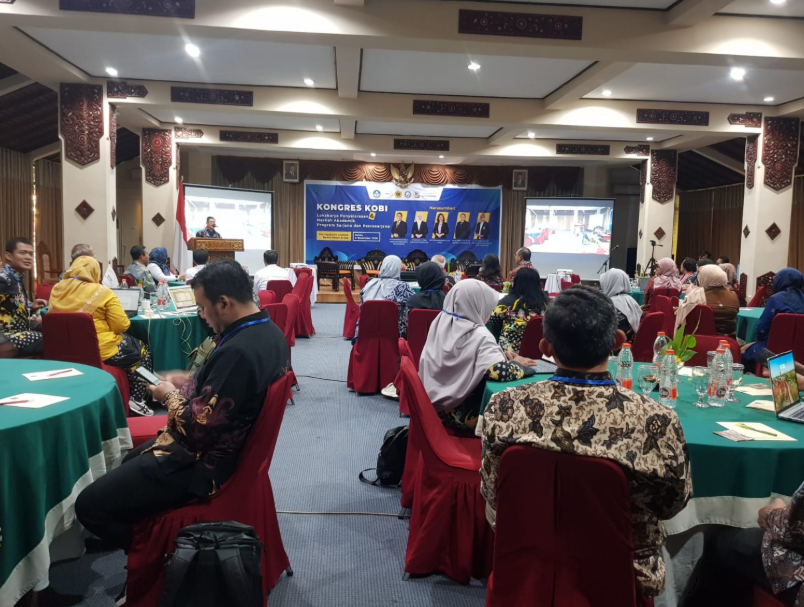
Through its participation in the 2026 KOBI Congress, the Biology Undergraduate Program at Unhas is expected to play an increasingly active role in aligning standards and developing the biology curriculum at the national level. This involvement also serves as a crucial step in strengthening academic quality, enhancing the relevance of graduates’ competencies to the needs of the workforce, and fostering innovation in learning and research focused on environmental sustainability. The Biology Department at Unhas is committed to continuing to build collaborations with various higher education institutions to realize high-quality, adaptive, and competitive biology education.
Author: Nenis Sardiani, S.Si., M.Si.