
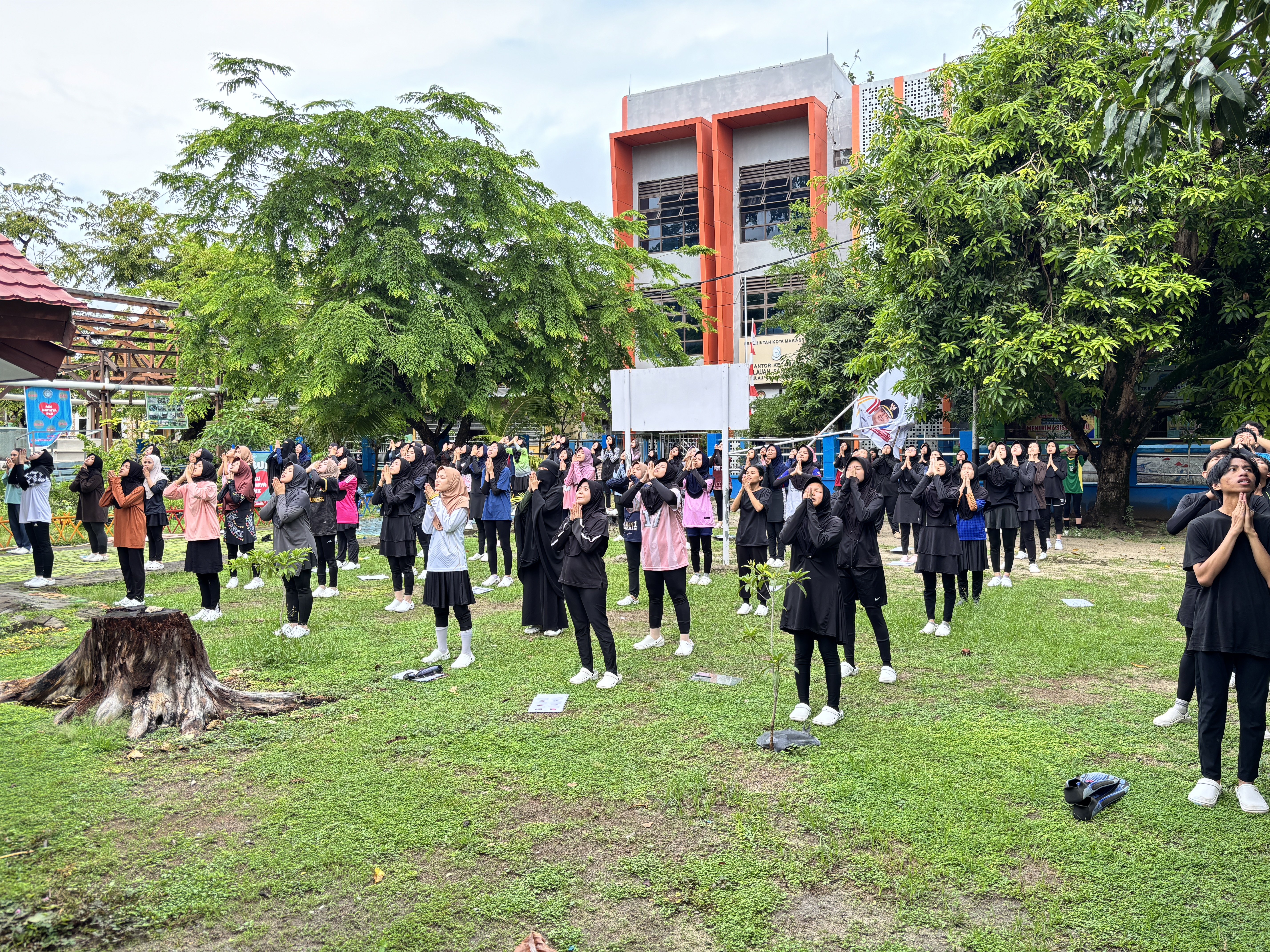
Unhas Biology Students Conduct Marine Biology Field Practicum on Barrang Lompo Island
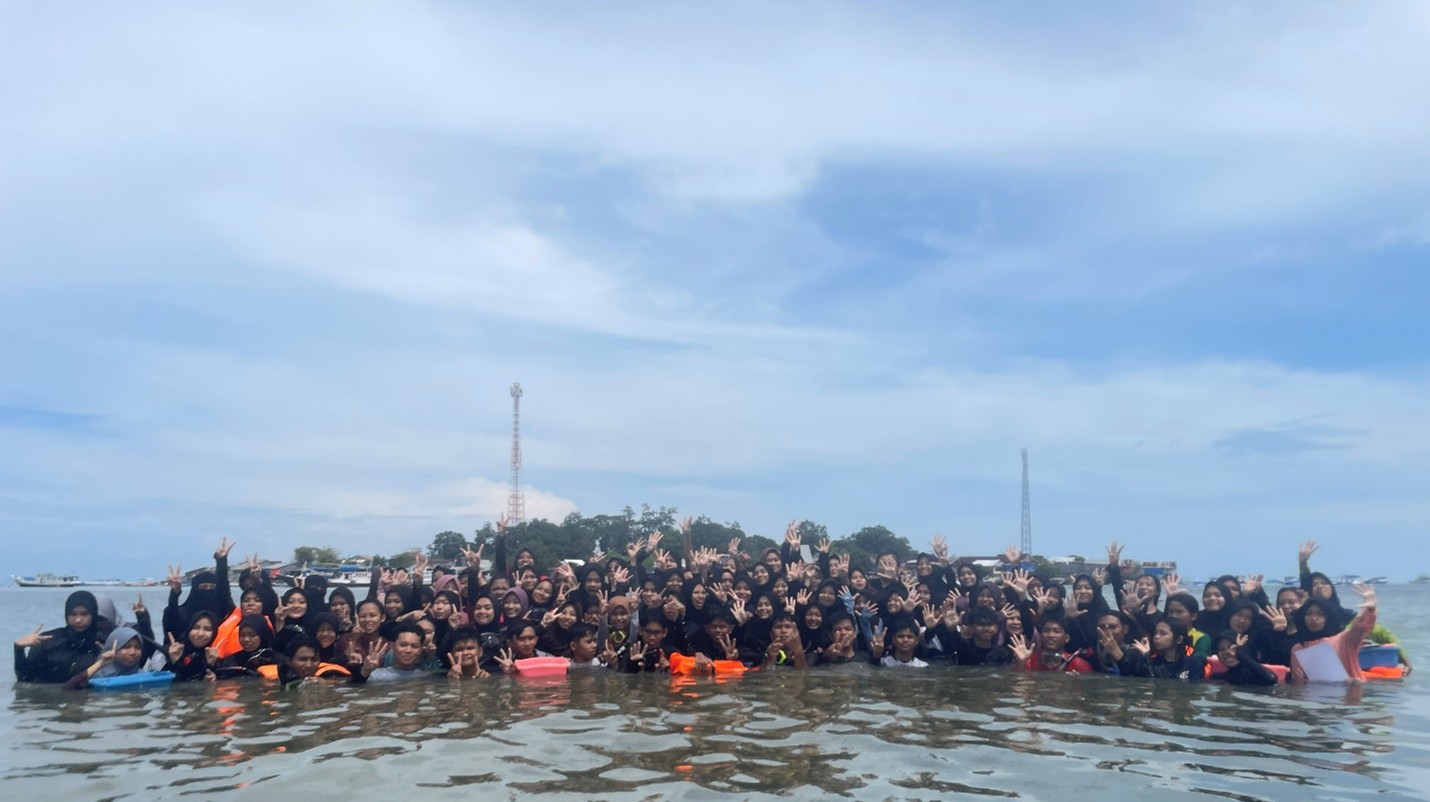
As part of the implementation of contextual learning, students enrolled in the Marine Biology course at the Department of Biology, Hasanuddin University, conducted a field study on Barrang Lompo Island, Makassar City, South Sulawesi, from Saturday to Monday, November 15-17, 2025. This activity aimed to broaden students' knowledge directly about marine biota, their habitats, and the forms of adaptation that support their survival. Barrang Lompo Island was chosen as the location for the practicum because it has a rich and diverse coastal ecosystem, which is ideal for observing the dynamics of tropical marine biota.
During this field study, students focused on studying three main groups of marine life: seagrass, macroalgae, and echinoderms. Through direct observation of the seagrass meadow ecosystem, students identified various types of seagrass and analyzed their morphological characteristics and functions within the coastal ecosystem. They learn about the role of seagrass as a habitat provider for various marine organisms, sediment stabilizer, and its contribution to maintaining water quality.
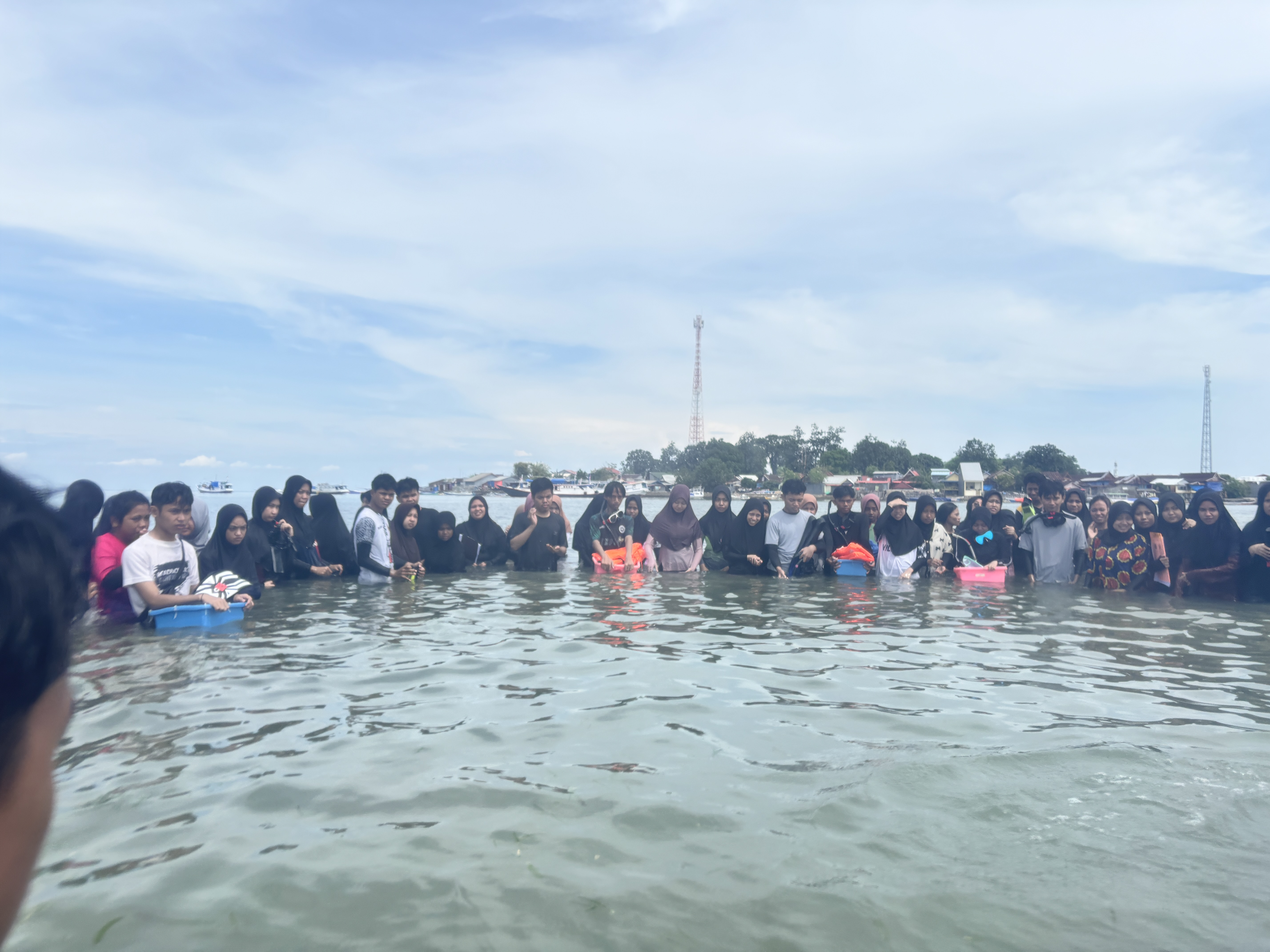
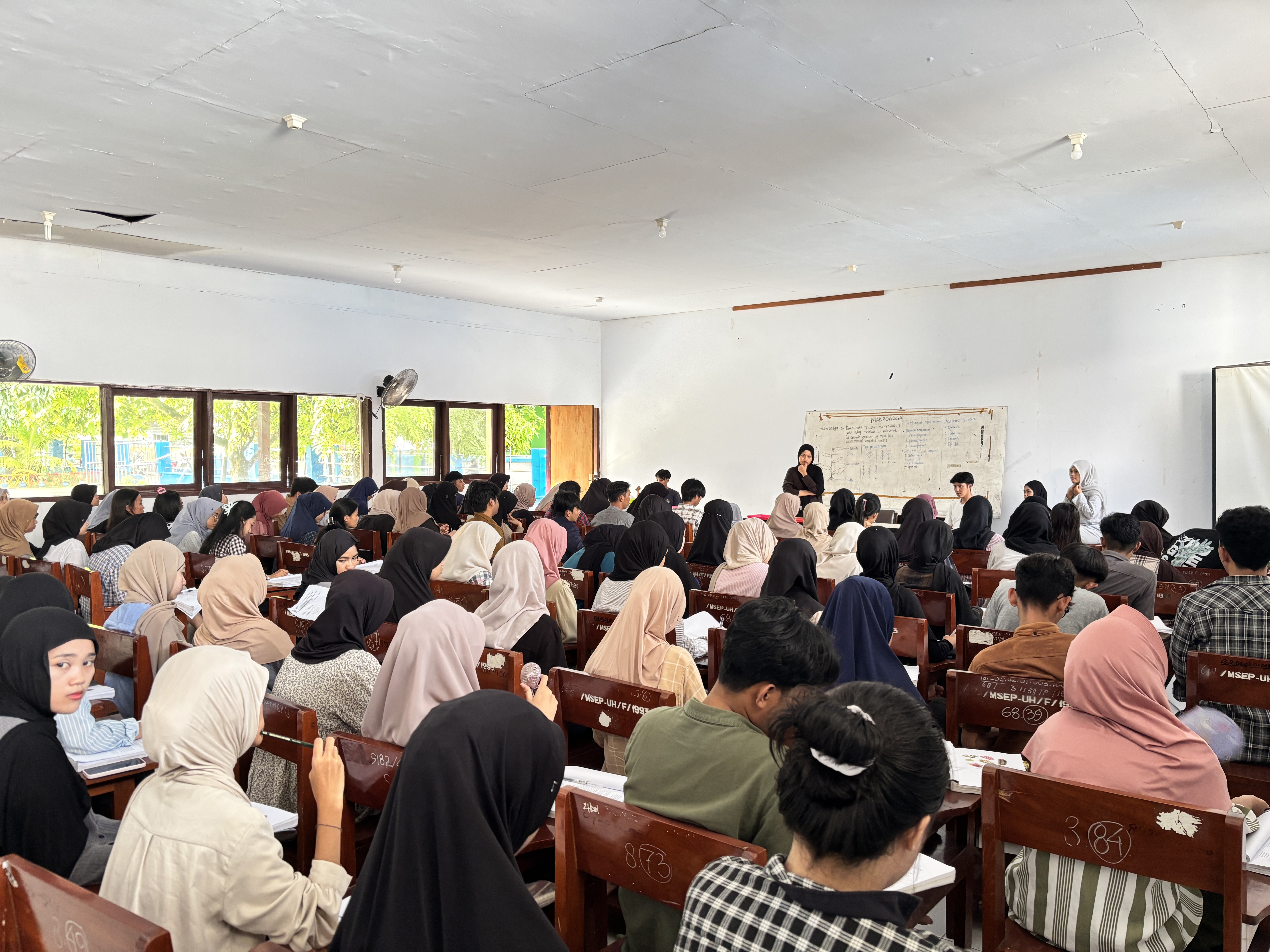
They studied the diversity of macroalgae shapes and body structures, as well as pigmentation that allows algae to adapt to varying light intensities due to tidal changes. Students also examined the adaptation strategies of macroalgae to survive in dynamic tropical waters.
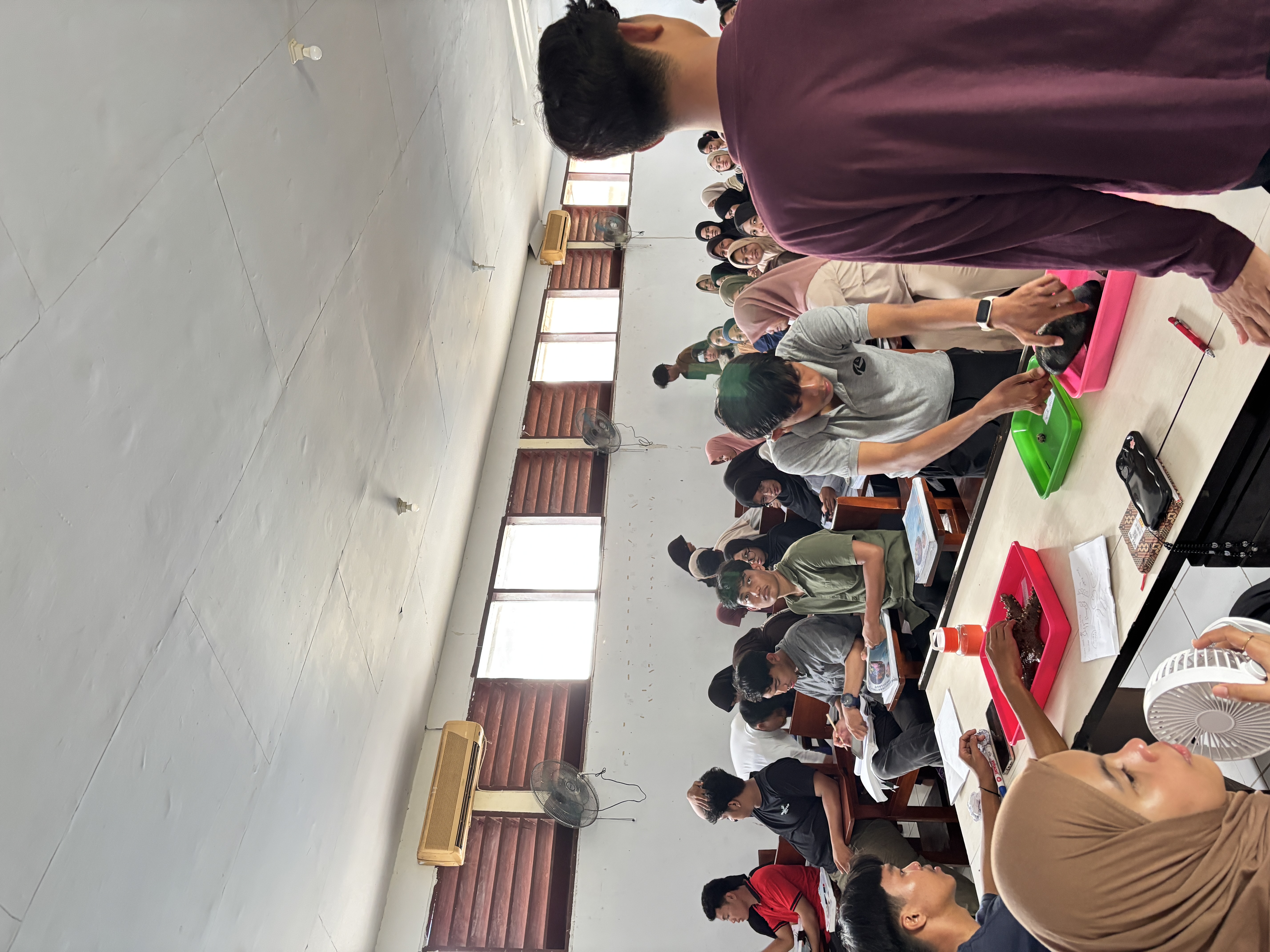
In addition, students also identified and observed Echinodermata, such as sea urchins and starfish. They studied the distinctive physical characteristics of this group, such as the water canal system in starfish and the protective mechanisms in sea urchins, as well as the movement patterns and adaptation mechanisms that enable Echinodermata to survive on various types of substrates, whether on sandy or rocky sea floors or coral reefs.
This practicum provides valuable empirical experience in integrating theoretical concepts learned in class with real ecological conditions in the field. By engaging directly in marine biota observation and identification, students are expected to develop skills in ecological analysis and species identification, as well as gain a more comprehensive understanding of coastal ecosystem dynamics.
Furthermore, this practicum also raises students' awareness of the importance of marine biodiversity conservation and the preservation of coastal ecosystems, which are increasingly under threat. Through this experience, it is hoped that students will not only understand the importance of marine biodiversity, but also contribute to efforts to preserve the marine environment, which faces various global challenges, such as pollution and climate change.
Author: Nenis Sardiani, S.Si., M.Si.