
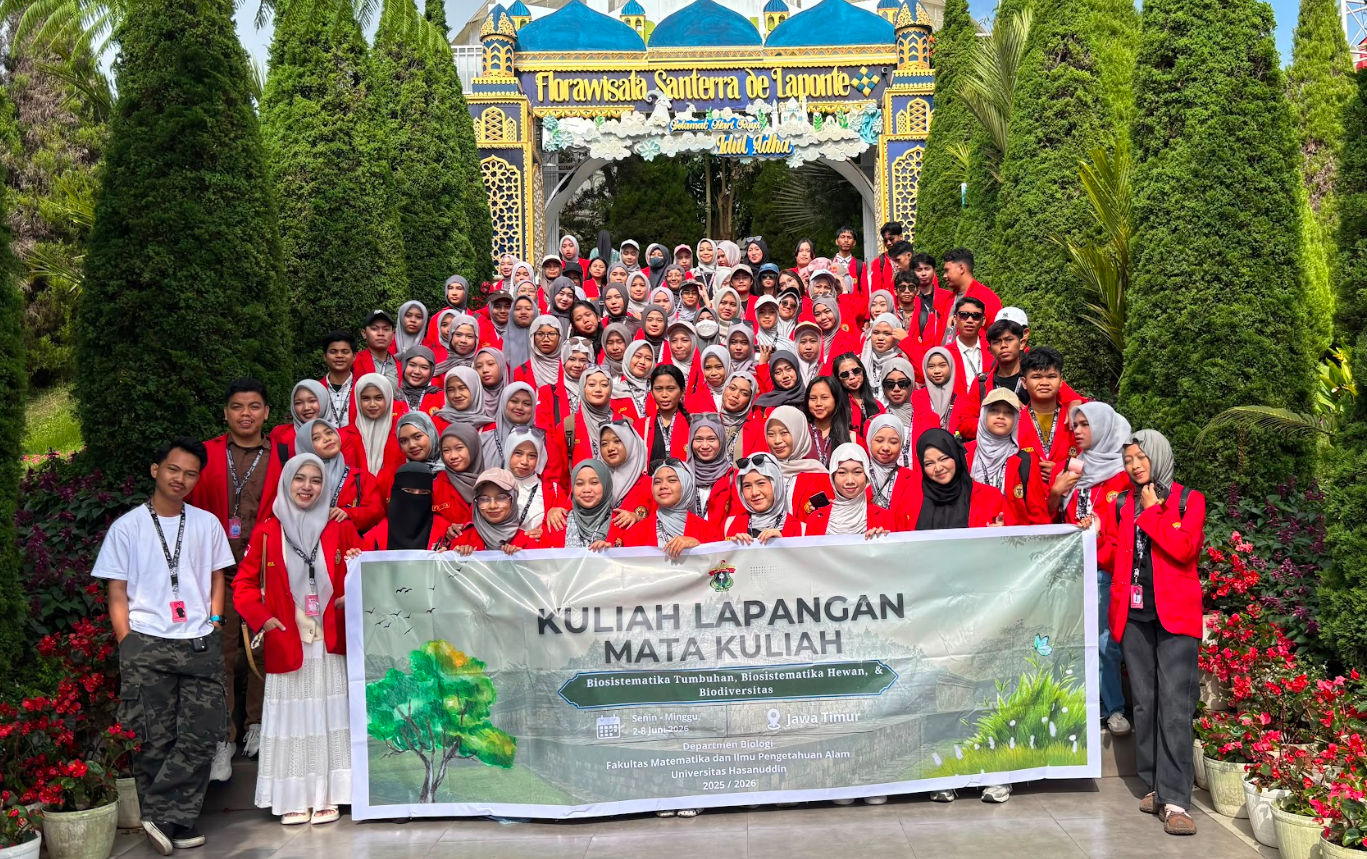
Biology Students Conduct a Field Study in East Java to Explore Biodiversity
The Biology Undergraduate Program, Department of Biology, Faculty of Mathematics and Natural Sciences (FMIPA), Hasanuddin University, conducted a field study for the class of 2024 from June 4–7, 2026, at various locations in East Java. This activity is part of experiential learning aimed at strengthening students’ understanding of course material through direct observation in the field.
The field study was led by several faculty members from the Department of Biology, namely Dr. Juhriah, M.Si., Prof. Dr. A. Masniawati, M.Si., Prof. Dr. Ambeng, M.Si., and Dr. Eddyman W. Ferial, M.Si. During the activity, students had the opportunity to integrate concepts learned in class with real-world conditions in the field through various observation, identification, and data collection activities.
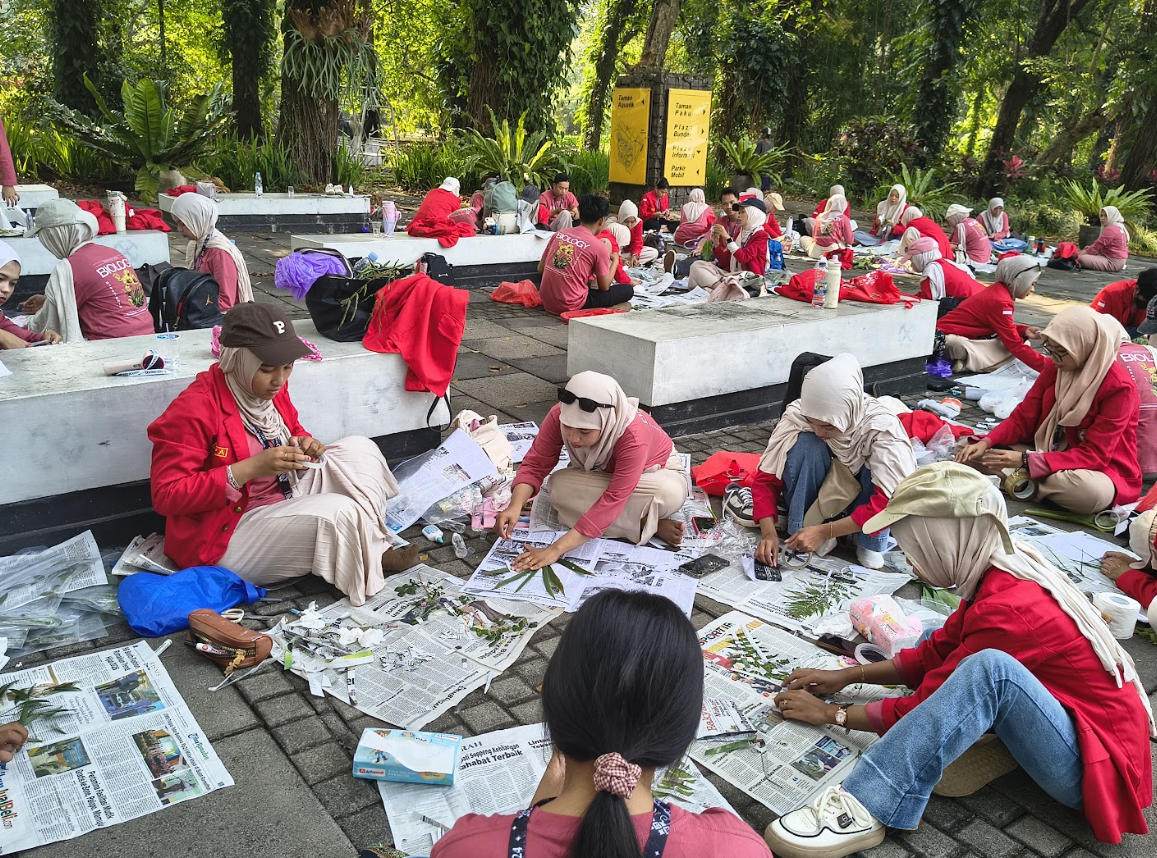
As part of the Plant Biosystematics course, students visited the Purwodadi Botanical Garden. There, they observed various plant collections representing the diversity of Indonesia’s flora, particularly plants from dry lowland regions. In addition to studying the morphological and taxonomic characteristics of the plants, the students also collected specimens for a herbarium—a form of scientific documentation and a learning tool for understanding plant identification.

Meanwhile, for the Animal Biosystematics course, field activities were conducted at Jatim Park and the Surabaya Zoo. At both locations, students observed various groups of fauna, studying their morphological characteristics, adaptations, and phylogenetic relationships. These activities provided hands-on experience in identifying the diversity of animals from various classes and phyla that are the subject of study in biosystematics.
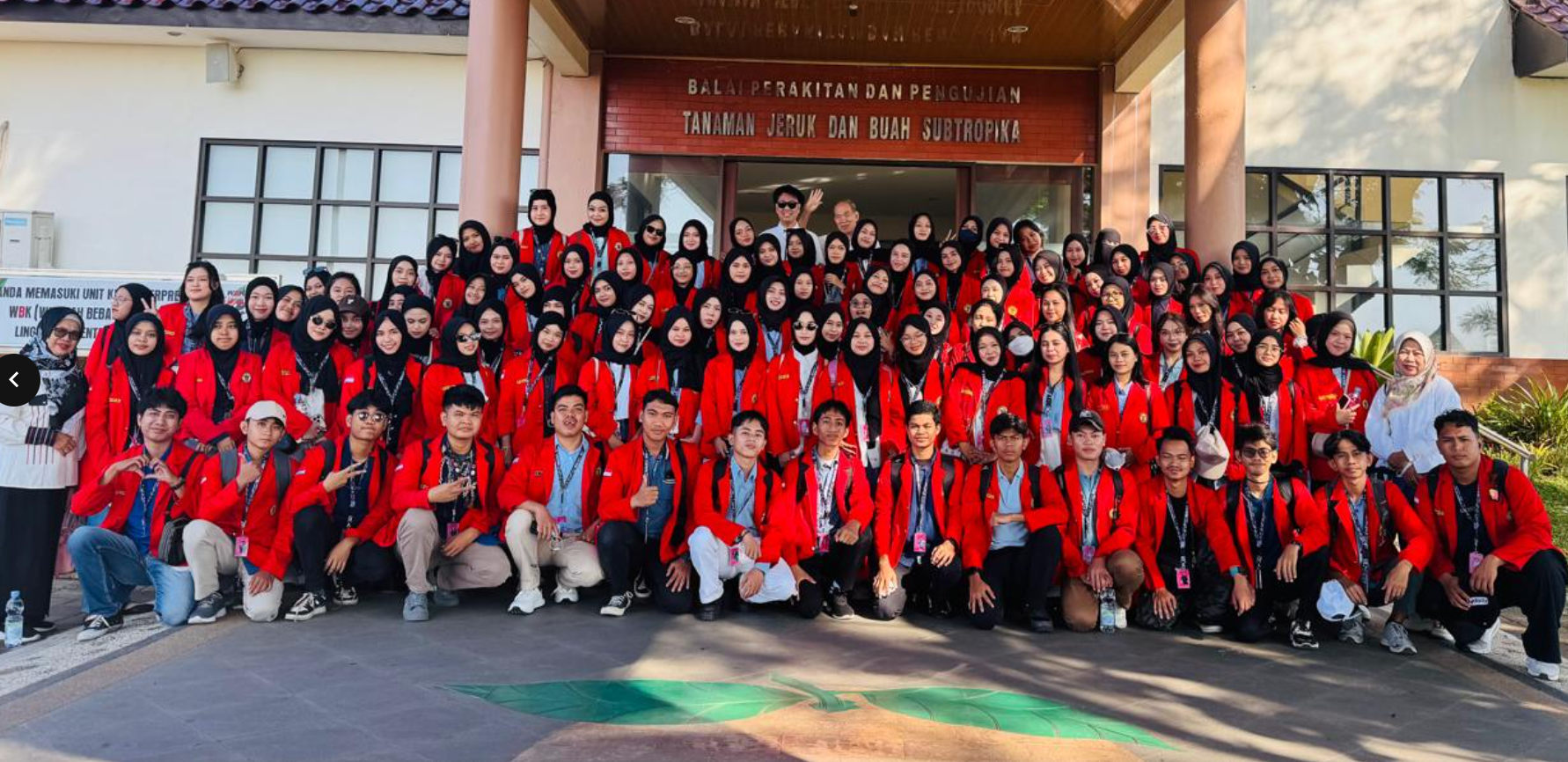
In addition, students also participated in activities for the Biodiversity course at BRMP Jestro. Through this visit, students gained insight into the importance of biodiversity conservation, species inventory methods, and efforts toward sustainable management of biological resources. Discussions with researchers and practitioners on-site provided a real-world perspective on the application of biological science in research and environmental management.
Over the course of the four-day field trip, students not only acquired academic knowledge but also developed skills in observation, species identification, field data collection, and teamwork. Direct interaction with various study subjects and natural environments provided a valuable experience that enriched the students’ learning process.
This field course is expected to enhance students’ comprehensive understanding of the concepts of biosystematics and biodiversity, while fostering an appreciation for Indonesia’s rich biological diversity. Through this hands-on learning experience, students are expected to develop stronger scientific skills and become a generation of biologists deeply committed to conservation efforts and the sustainable use of biological resources.
Author: Nenis Sardiani, S.Si., M.Si.