Head of the Biology Department at the Faculty of Mathematics and Natural Sciences, University of Hasanuddin, Attends the 2026 KOBI National Working Meeting to Discuss Strengthening Faculty Resources and Aligning the Undergraduate Program Curriculum
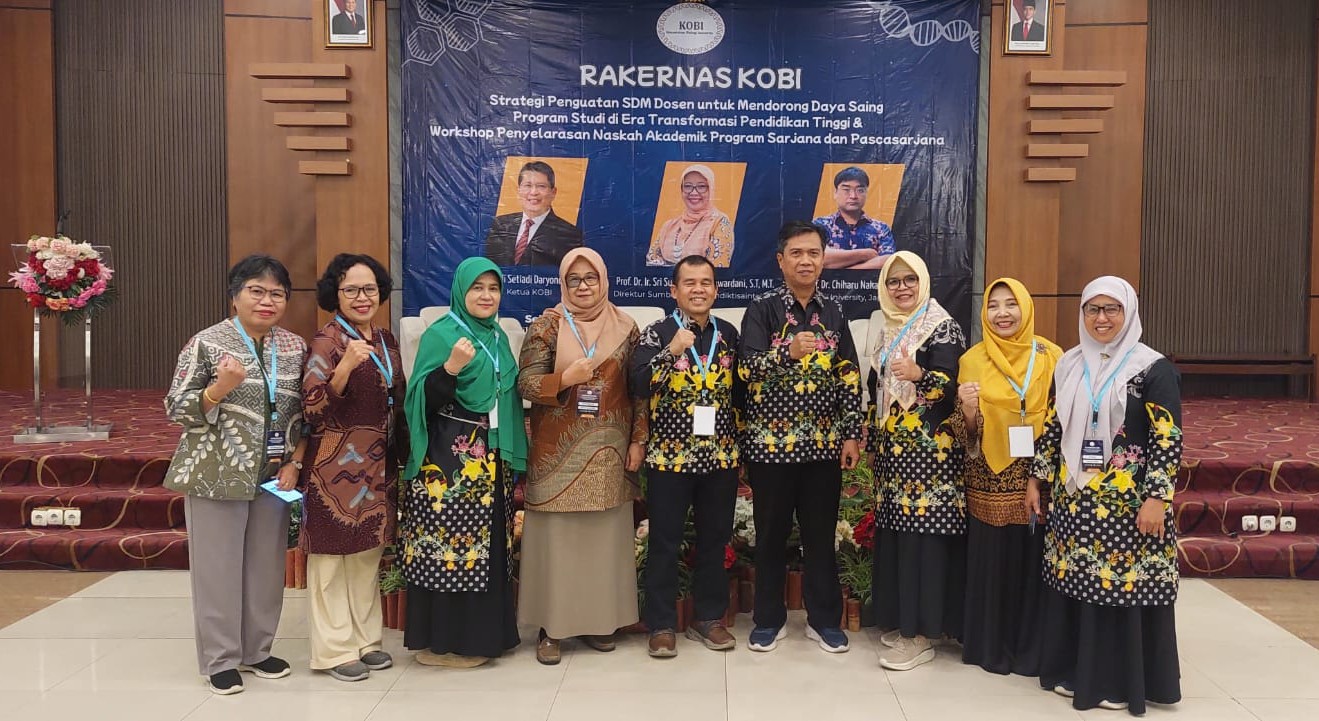
Dr. Magdalena Litaay, M.Sc., Head of the Department of Biology and Chair of the Undergraduate Biology Program at the Faculty of Mathematics and Natural Sciences (FMIPA) of Hasanuddin University, attended the National Working Meeting (Rakernas) of the Indonesian Biology Consortium (KOBI), held in Yogyakarta on Tuesday, June 30, 2026. The event focused on the theme “Strategies for Strengthening Faculty Resources to Boost the Competitiveness of Study Programs in the Era of Higher Education Transformation and the Alignment of Academic Curricula for Undergraduate and Graduate Programs.”
The National Working Meeting was officially opened by the Chair of the Indonesian Biology Consortium, Prof. Dr. Budi Setiadi Daryono, M.Agr.Sc. In his opening remarks, he emphasized the importance of collaboration among biology study programs in Indonesia in addressing the dynamics of higher education transformation, which increasingly demands improvements in the quality of human resources, the strengthening of academic governance, and the development of curricula that are adaptable to the needs of the times.
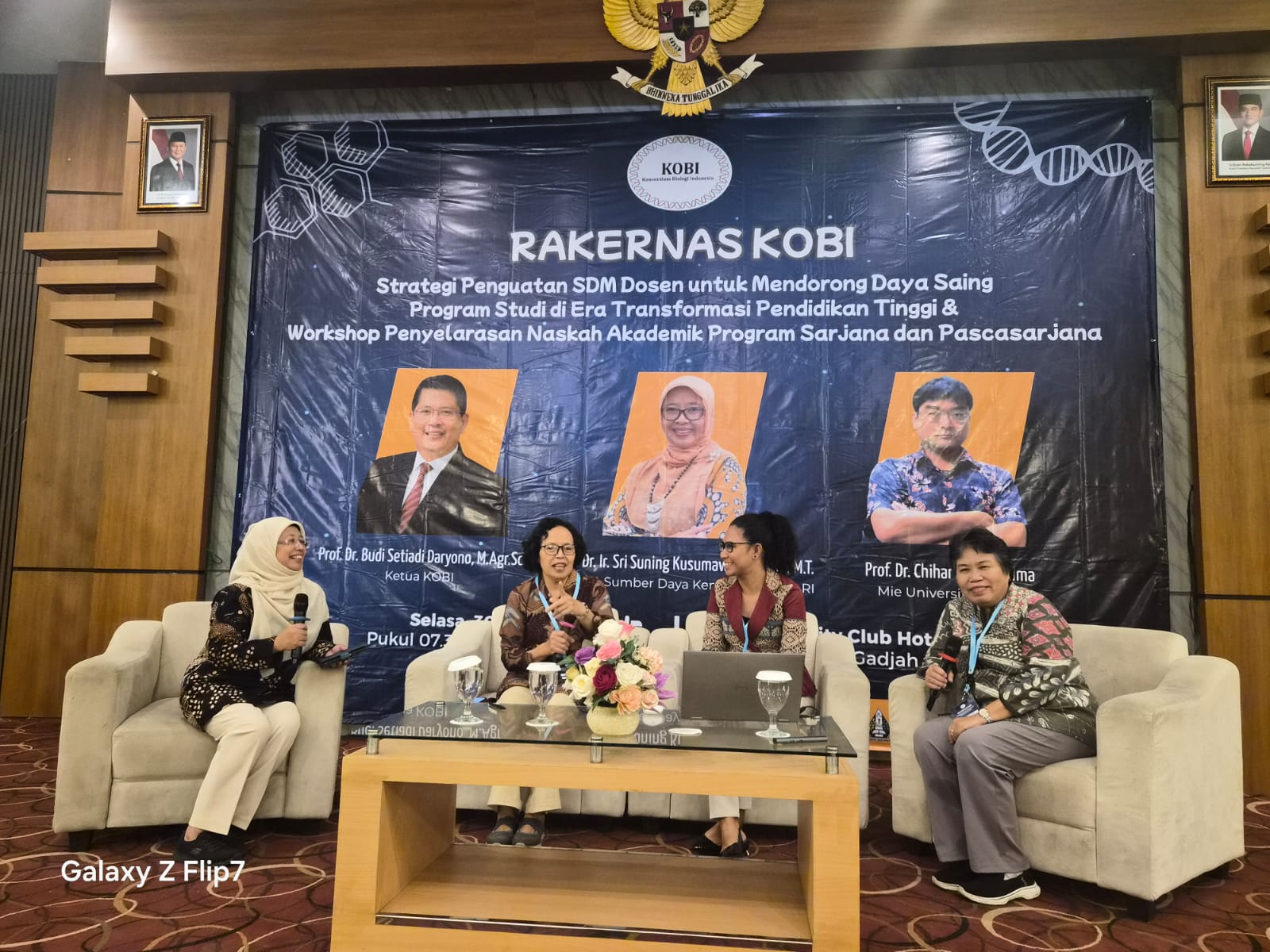
One of the main agenda items of the National Working Meeting featured Prof. Dr. Sri Suning Kusumawardani, Director of Human Resources at the Ministry of Higher Education, Science, and Technology, who presented strategic policies regarding human resource development within Indonesia’s higher education sector. In her presentation, she highlighted various global challenges currently being faced, such as climate change, the acceleration of digital transformation, the rapid development of artificial intelligence (AI), and the growing need for highly educated talent. These conditions require higher education institutions to continuously strengthen their human resource capacity, foster innovation, and improve the quality of education delivery so that they can produce graduates who are adaptable and competitive at both the national and global levels.
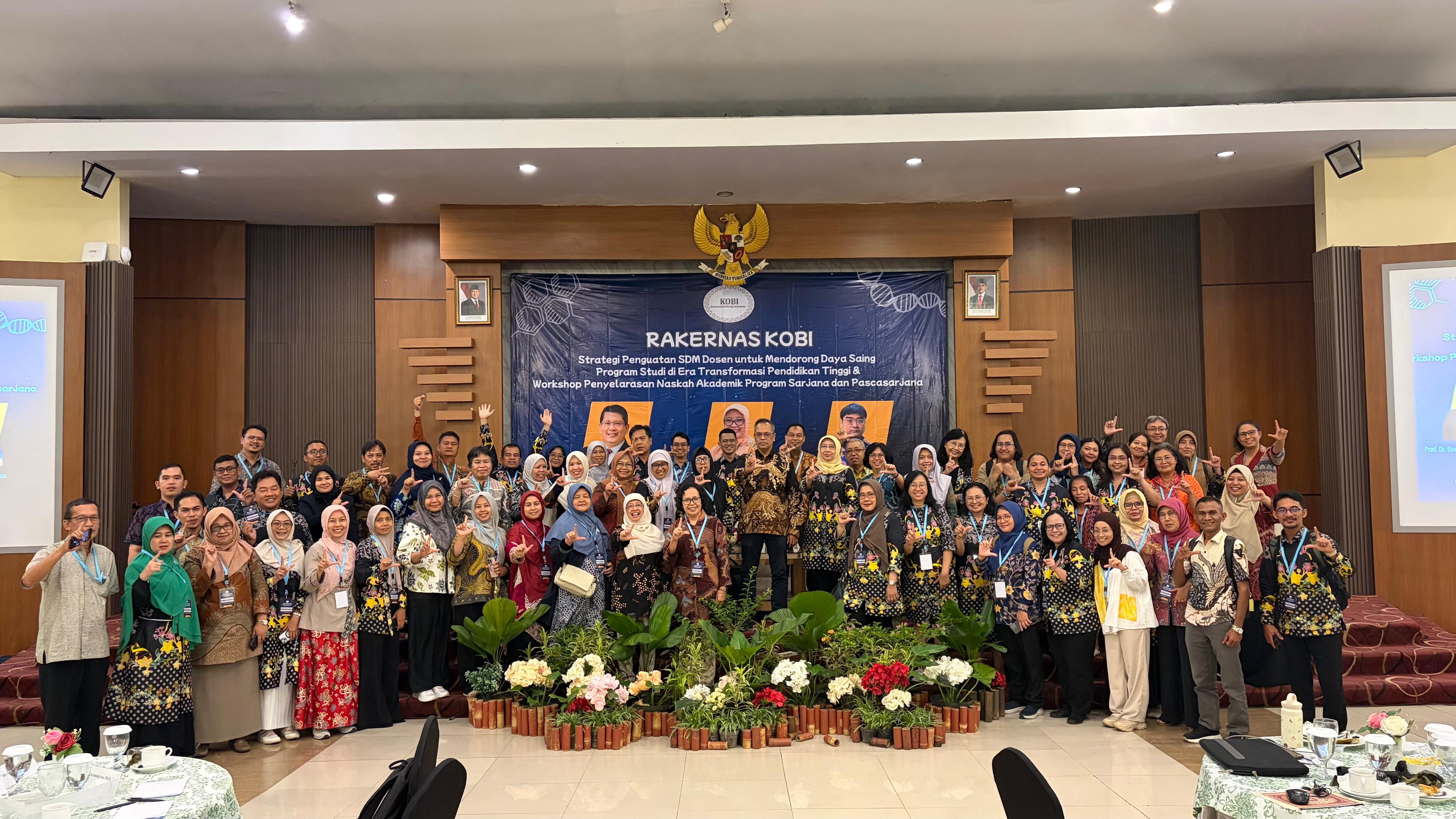
This event was attended by members of the Indonesian Biology Consortium from various universities across Indonesia. The forum served as a strategic platform for program directors and academics to discuss, share experiences, and formulate joint measures to improve the quality of biology education at the national level. In addition, participants also aligned the academic syllabi for undergraduate and graduate biology programs in an effort to develop academic standards that are in line with national higher education policies, advancements in science and technology, and the needs of the workforce. This alignment is expected to result in a curriculum that is more relevant, adaptive, and focused on ensuring graduates achieve outstanding competencies.
and Natural Sciences, Hasanuddin University, to supporting the improvement of higher education quality through active participation in national academic forums. The outcomes of the discussions at this National Working Meeting are expected to serve as a reference for the development of the Biology Undergraduate Program at the Faculty of Mathematics and Natural Sciences, Hasanuddin University, so that it becomes more competitive, innovative, and capable of addressing the challenges of higher education transformation in the future.
Through this forum, it is hoped that synergy among members of the Indonesian Biology Consortium will grow stronger in realizing high-quality, globally competitive biology education capable of producing graduates with academic and professional competencies, as well as character traits aligned with societal needs and scientific advancements.
Author: Nenis Sardiani, S.Si., M.Si.