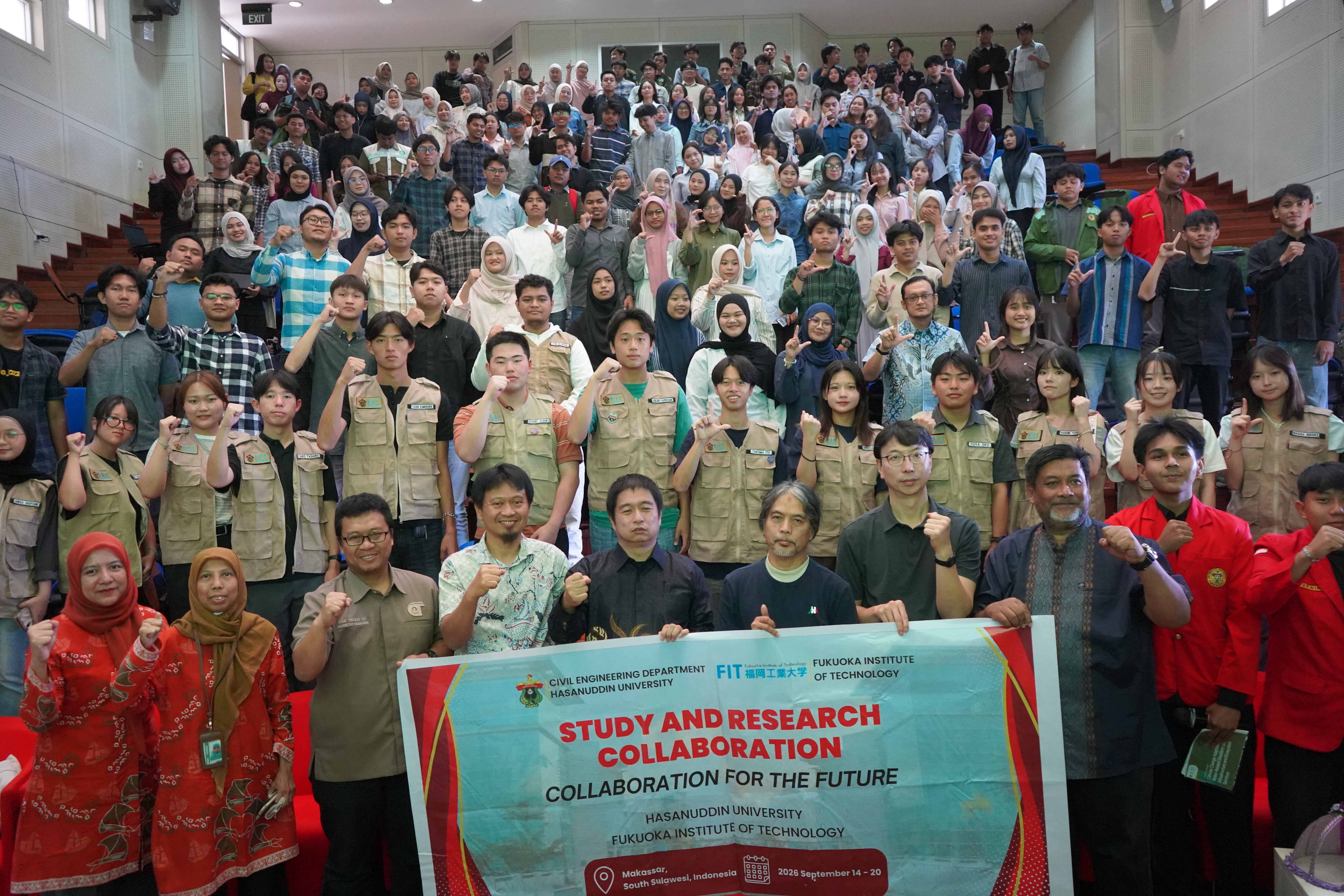
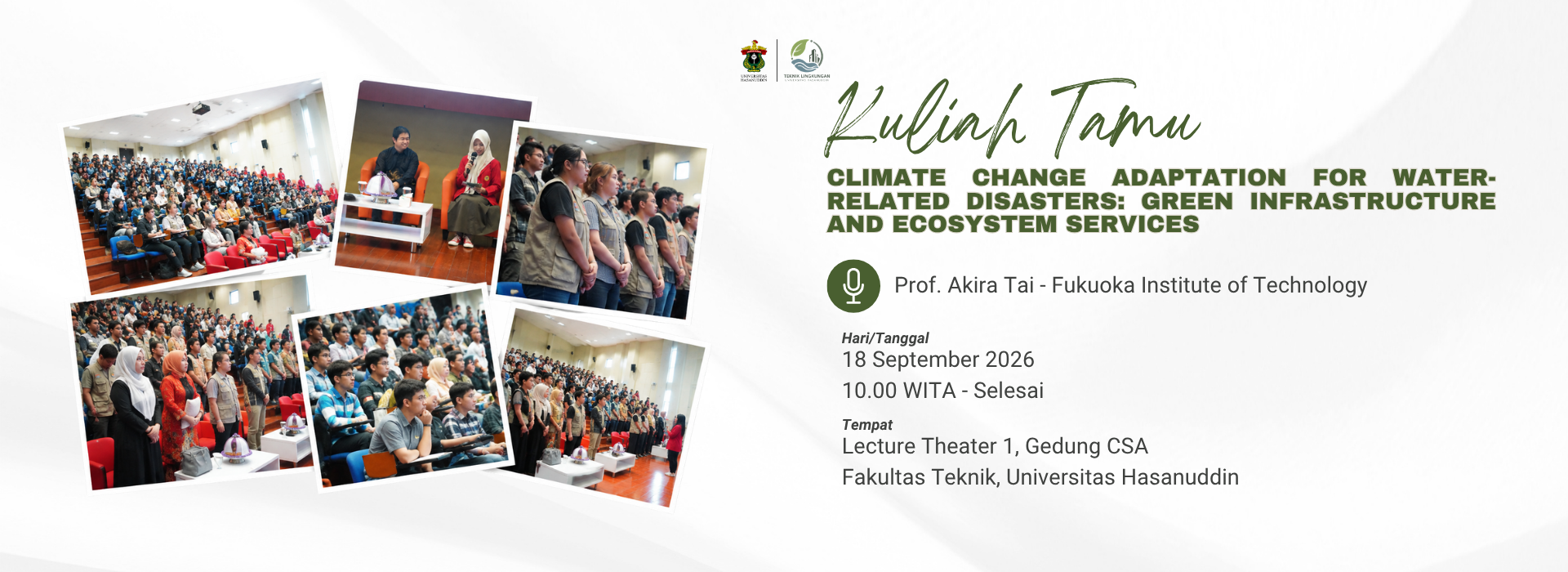
Prof. Akira Tai from Fukuoka Institute of Technology Discusses Climate Change Adaptation and Green Infrastructure at Hasanuddin University
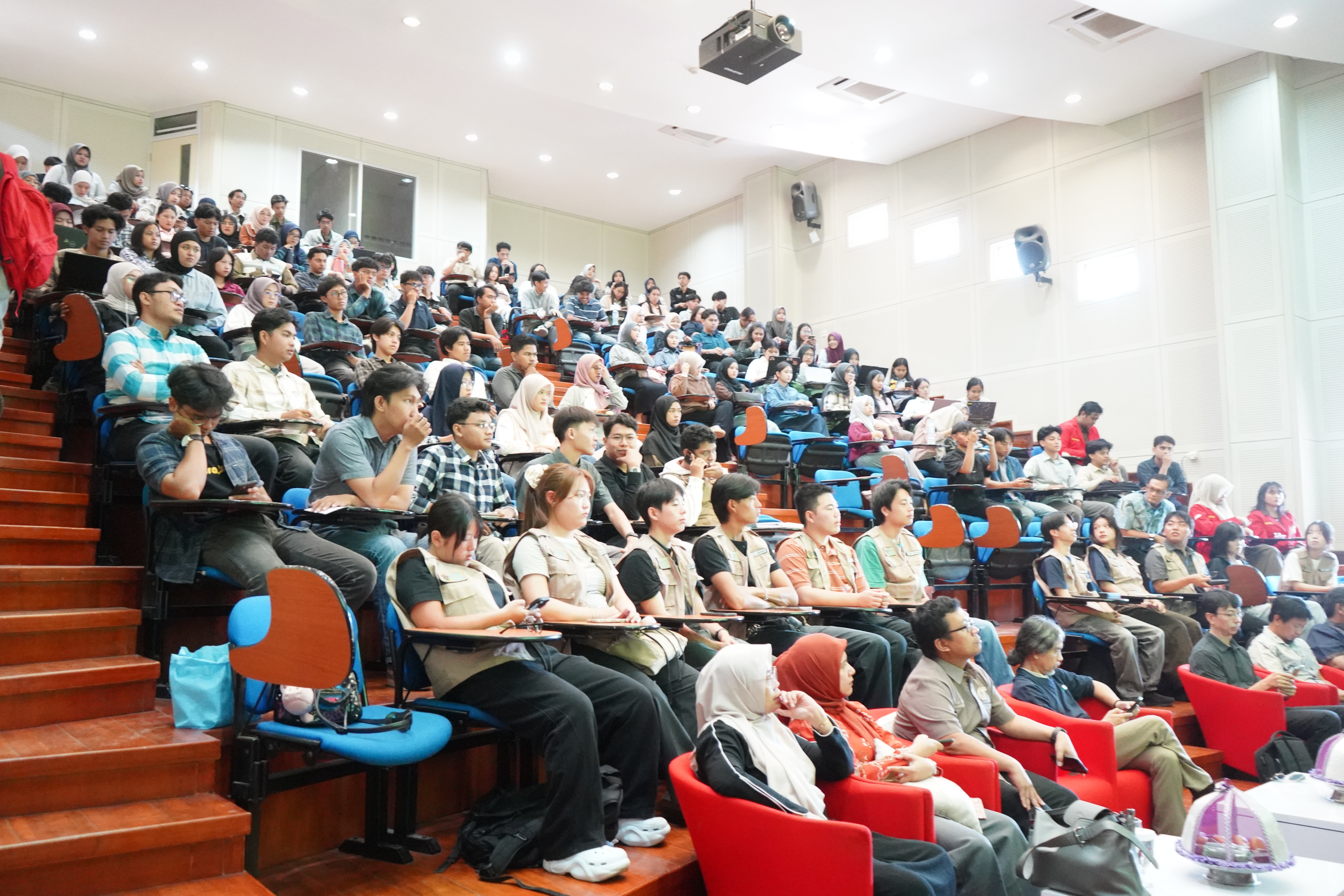
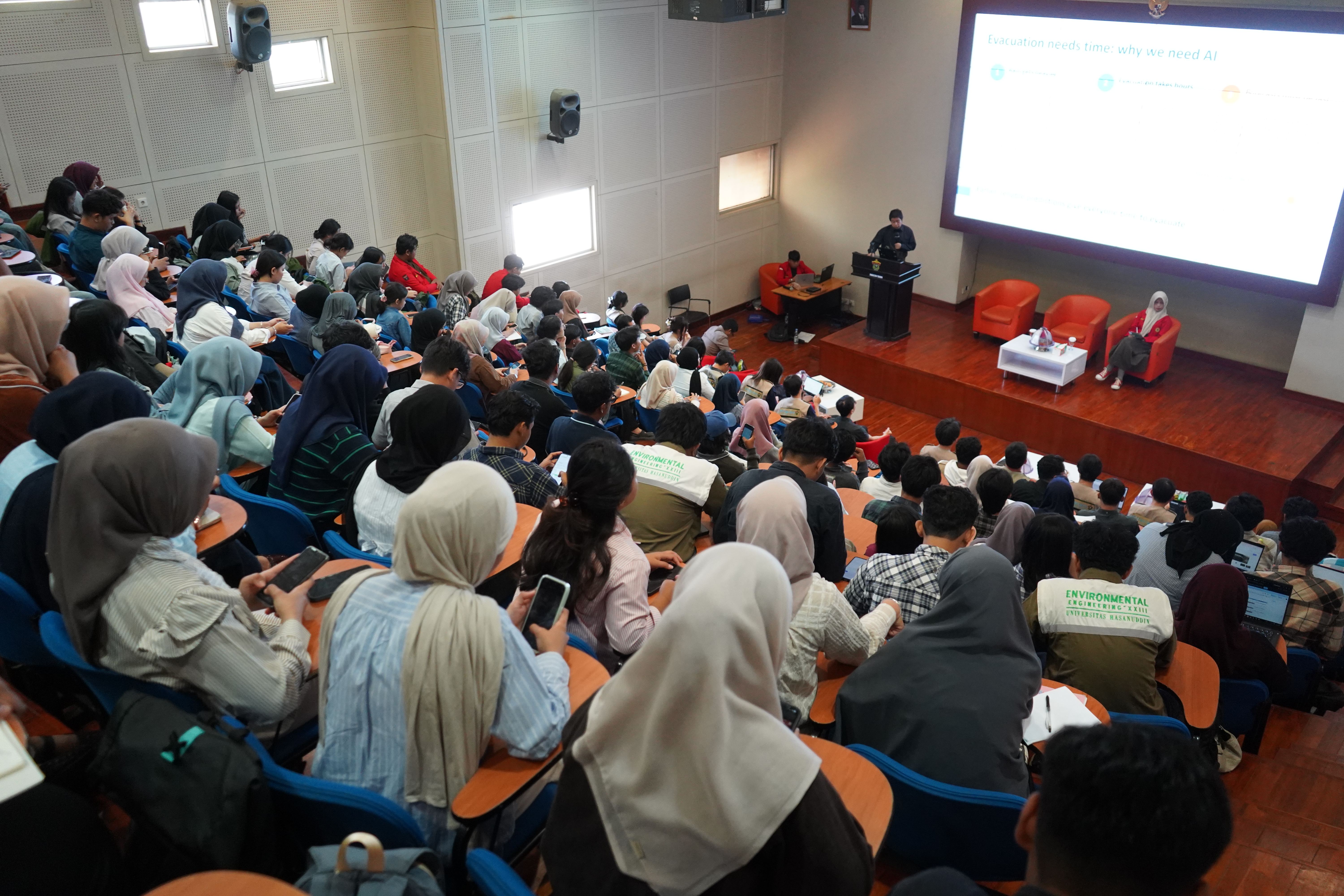
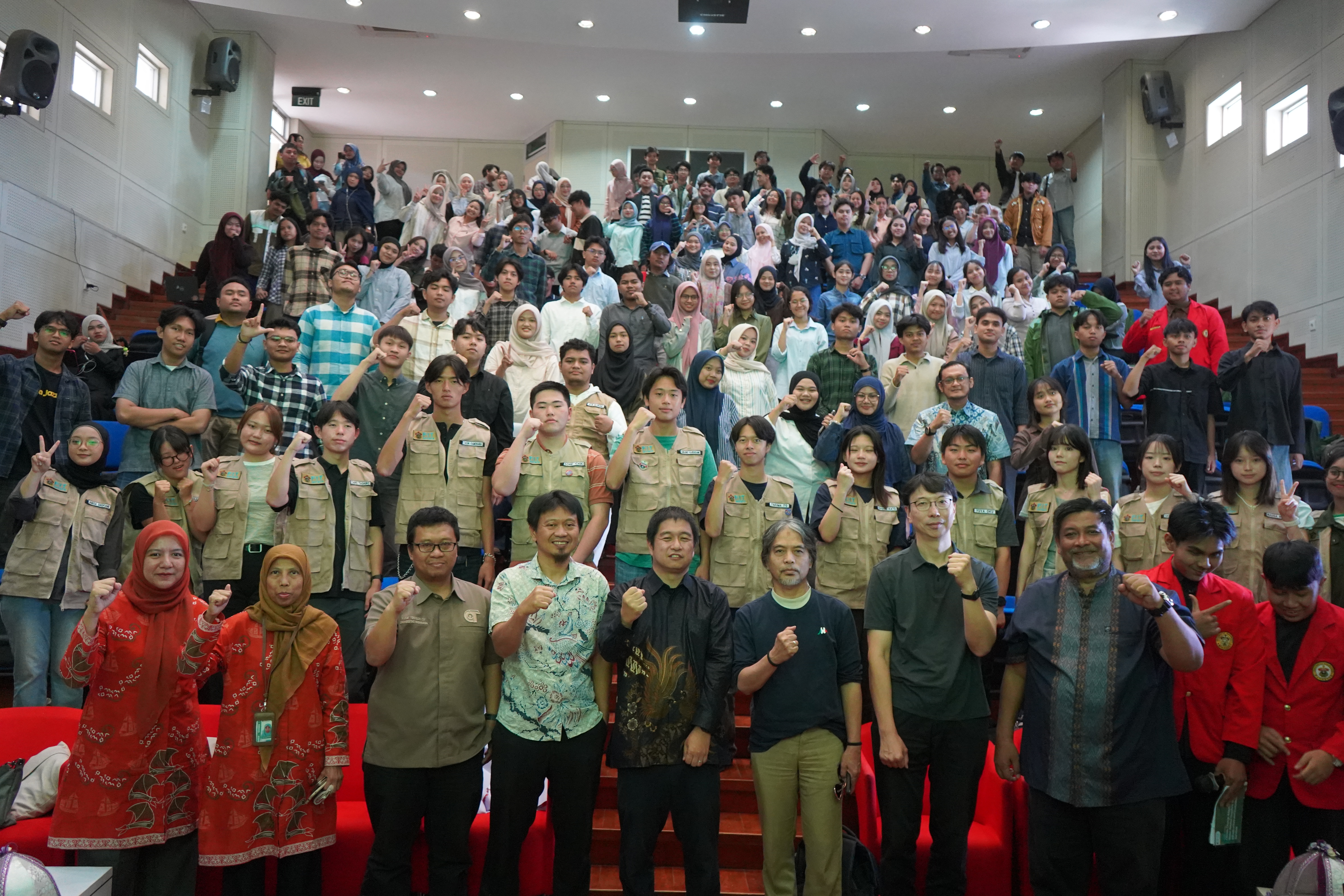
Gowa, September 18 2026 — The Undergraduate Environmental Engineering Study Program, Faculty of Engineering, Hasanuddin University, held a guest lecture entitled “Climate Change Adaptation for Water-Related Disasters: Green Infrastructure and Ecosystem Services” on Friday, September 18, 2026. The event was held at CSA Lecture Theater 1, Faculty of Engineering, Hasanuddin University, featuring Prof. Akira Tai from Fukuoka Institute of Technology, Japan, as the guest speaker.
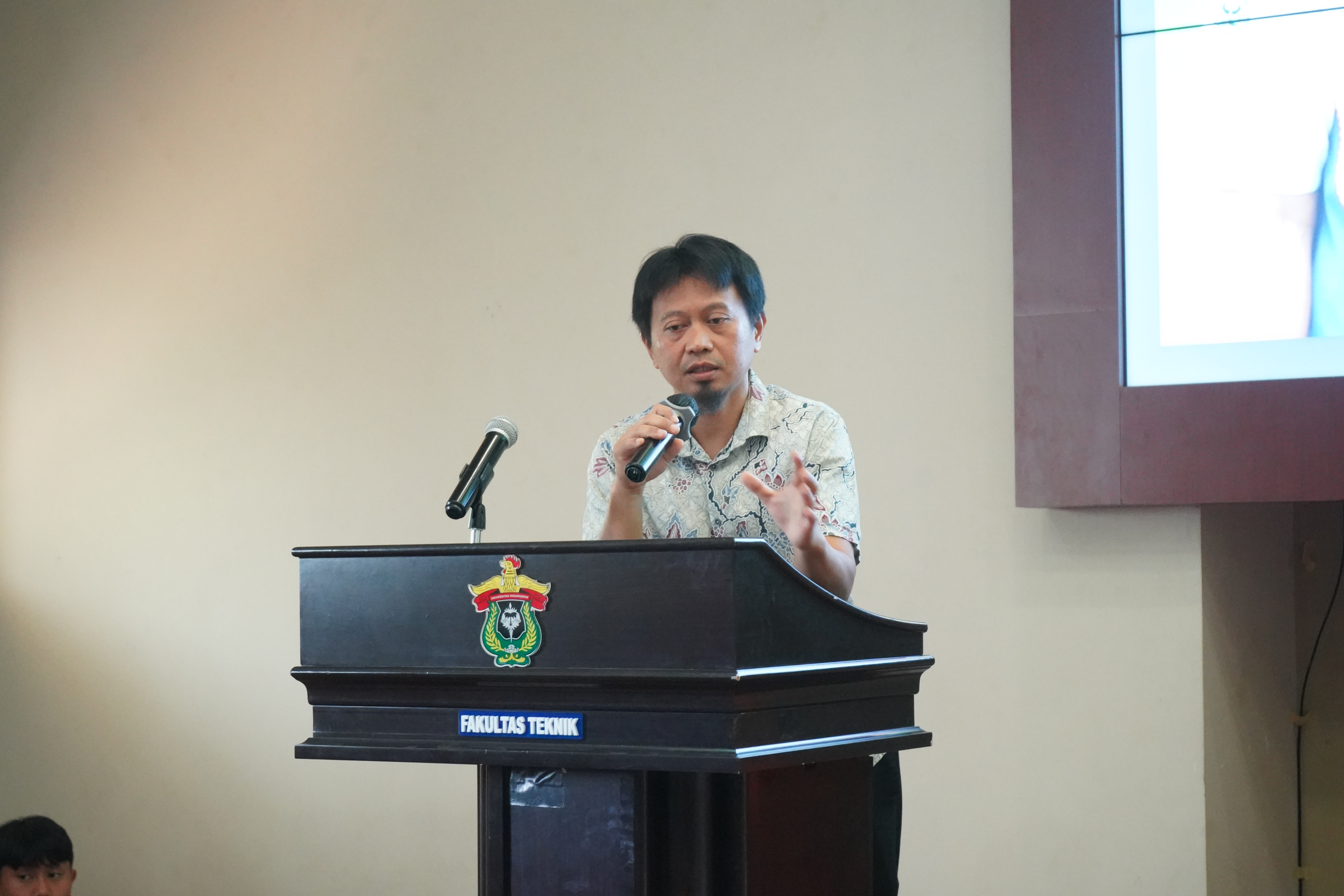
The guest lecture was officially opened by Prof. Faizal, Head of the Center of Technology (COT), Faculty of Engineering, Hasanuddin University. In his opening remarks, Prof. Faizal emphasized the importance of academic activities that broaden students’ perspectives and facilitate knowledge exchange with academics and higher education institutions from around the world.
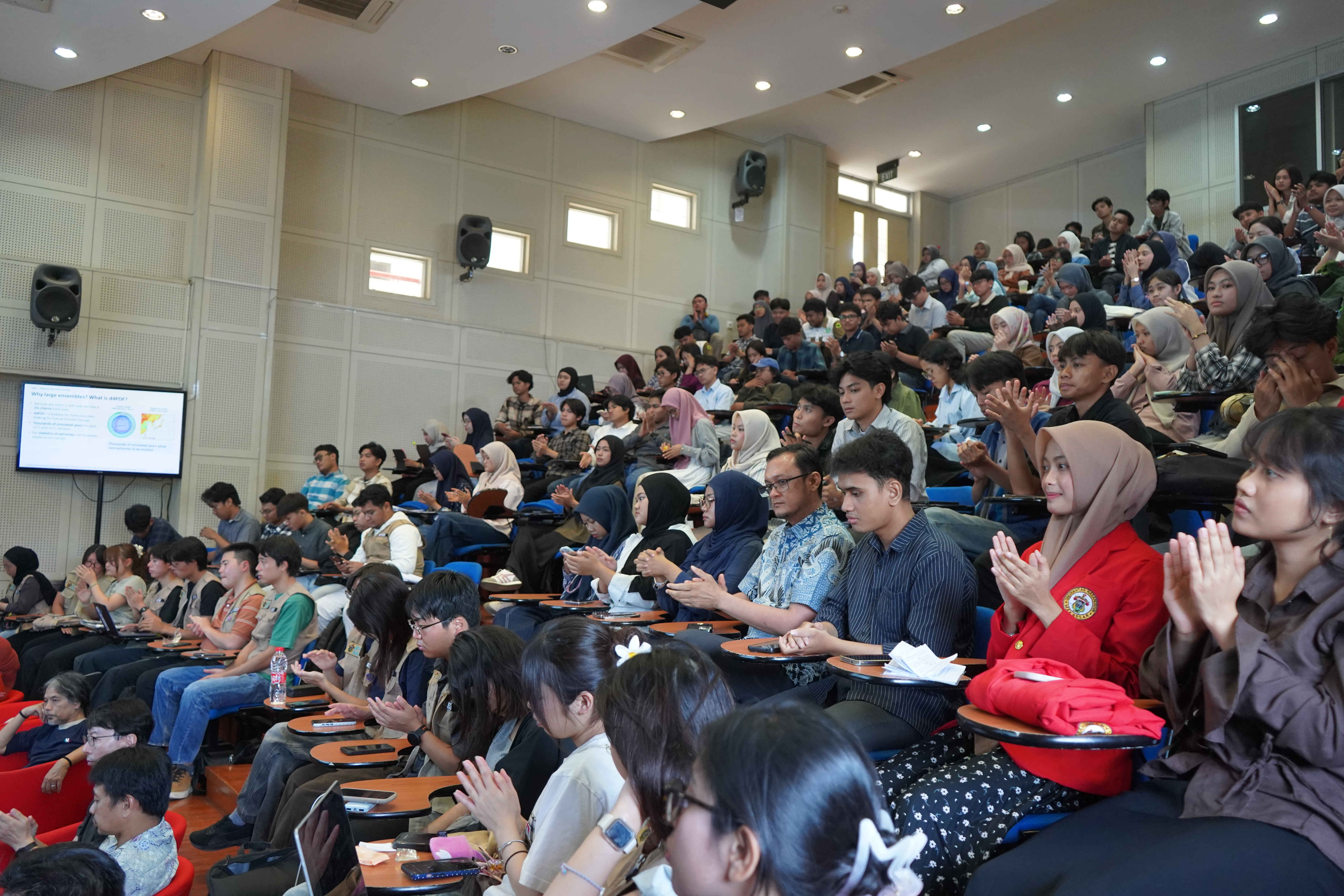
The event was attended by lecturers from the Environmental Engineering and Civil Engineering Study Programs, as well as several Civil Engineering students. The participation of academics and students from both disciplines contributed to a broader academic discussion, particularly as climate change, water resource management, infrastructure, and disaster mitigation are closely interconnected across environmental and civil engineering.
During his presentation, Prof. Akira Tai discussed various challenges associated with climate change and water-related disasters. The topics included heavy rainfall, numerical simulation, climate change, coastal waters, tidal flats, and flooding. The discussion highlighted the importance of understanding environmental dynamics and applying data-driven approaches to identify and respond to hydrometeorological risks.
Prof. Akira Tai also introduced various green infrastructure and nature-based solutions that can be incorporated into climate change adaptation strategies. These approaches include rain gardens, bioswales, permeable pavements, green roofs, wetlands, and mangrove ecosystems.
These approaches demonstrate that climate-related risks can be addressed not only through conventional infrastructure, but also by utilizing and restoring the functions of natural ecosystems. The integration of green infrastructure and ecosystem services can contribute to strengthening the resilience of communities and environments against flooding and other water-related disasters.
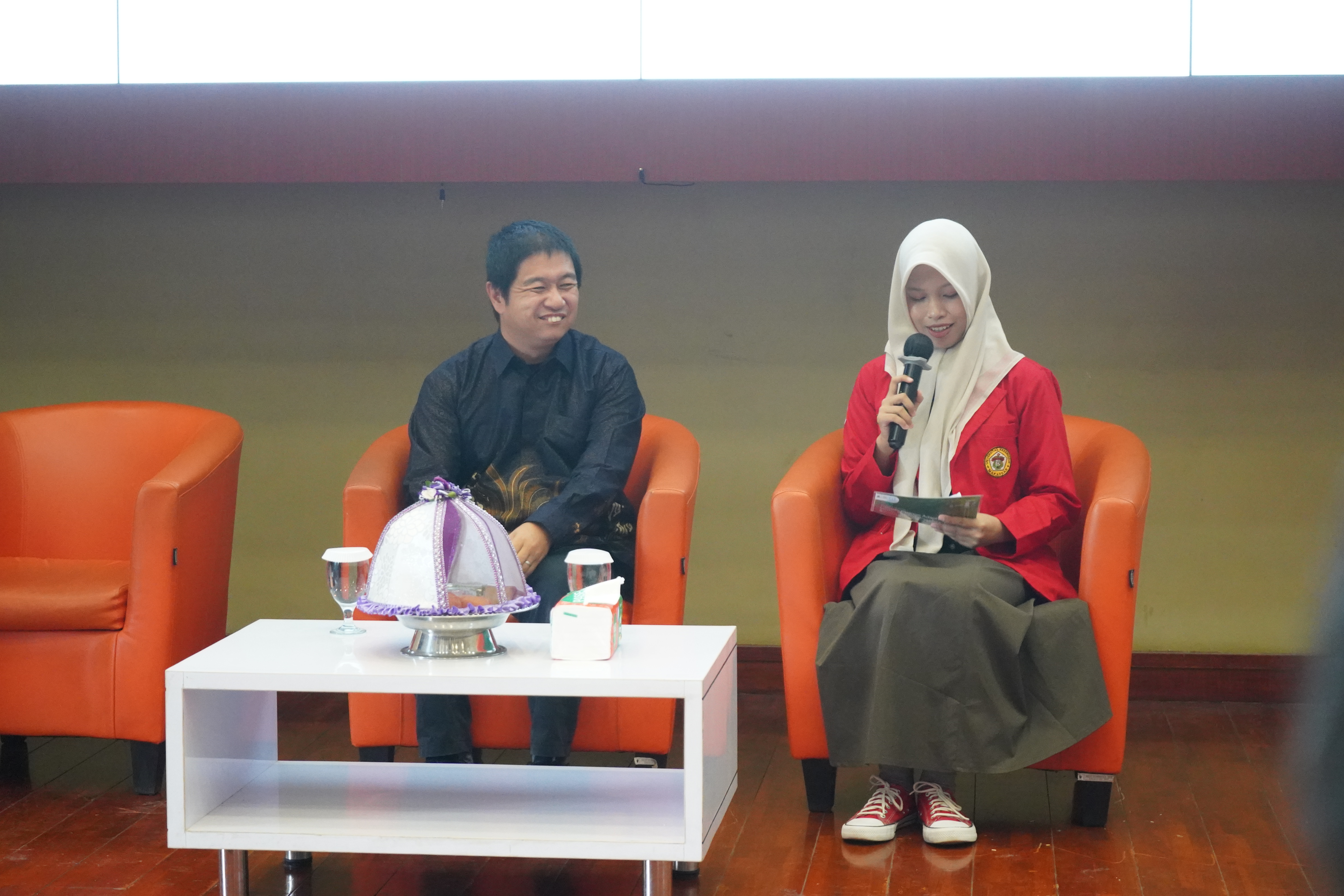
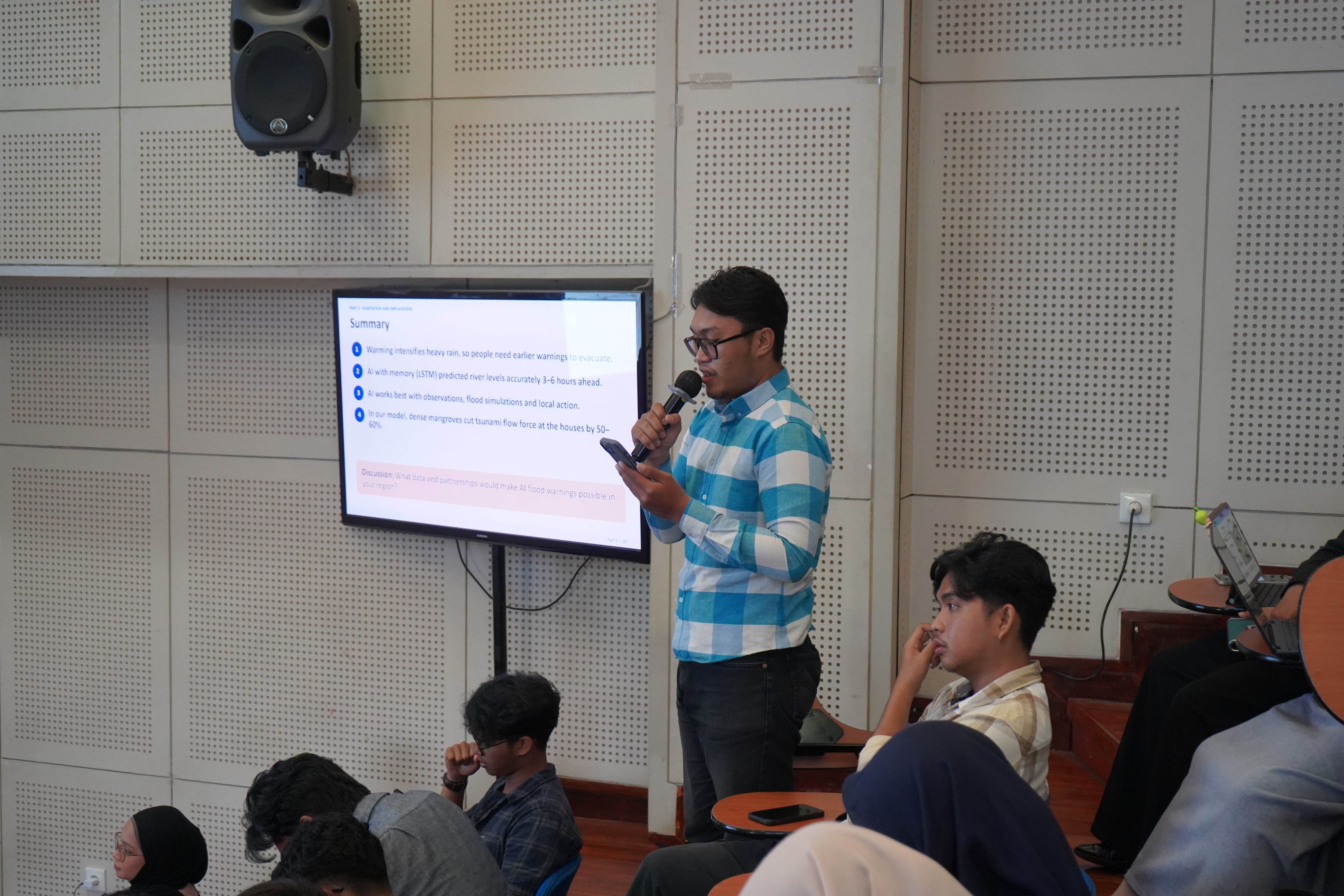
The guest lecture took place in an interactive academic atmosphere. Students had the opportunity to broaden their understanding of how environmental engineering can contribute to addressing increasingly complex environmental challenges. The participation of Civil Engineering students also encouraged cross-disciplinary perspectives, particularly in understanding the relationship between infrastructure planning, water management, environmental protection, and climate change adaptation.
Through this activity, students were encouraged to recognize that addressing climate change requires an integrated, science-based approach that considers the interconnectedness of environmental systems and infrastructure. Knowledge of green infrastructure and ecosystem services is also expected to provide students with valuable perspectives for developing engineering solutions that are more adaptive and sustainable.
The guest lecture also served as part of the Undergraduate Environmental Engineering Study Program’s efforts to bring international perspectives and current developments in environmental engineering into the academic environment. The exchange of knowledge with an academic from Fukuoka Institute of Technology provided an opportunity for the Hasanuddin University academic community to explore different approaches to addressing climate change and water-related disasters from a global perspective.
Through academic activities such as this, the Undergraduate Environmental Engineering Study Program, Hasanuddin University, continues to promote learning that is innovative, collaborative, sustainability-oriented, and globally engaged, while strengthening the connection between scientific knowledge, societal needs, and emerging environmental challenges.