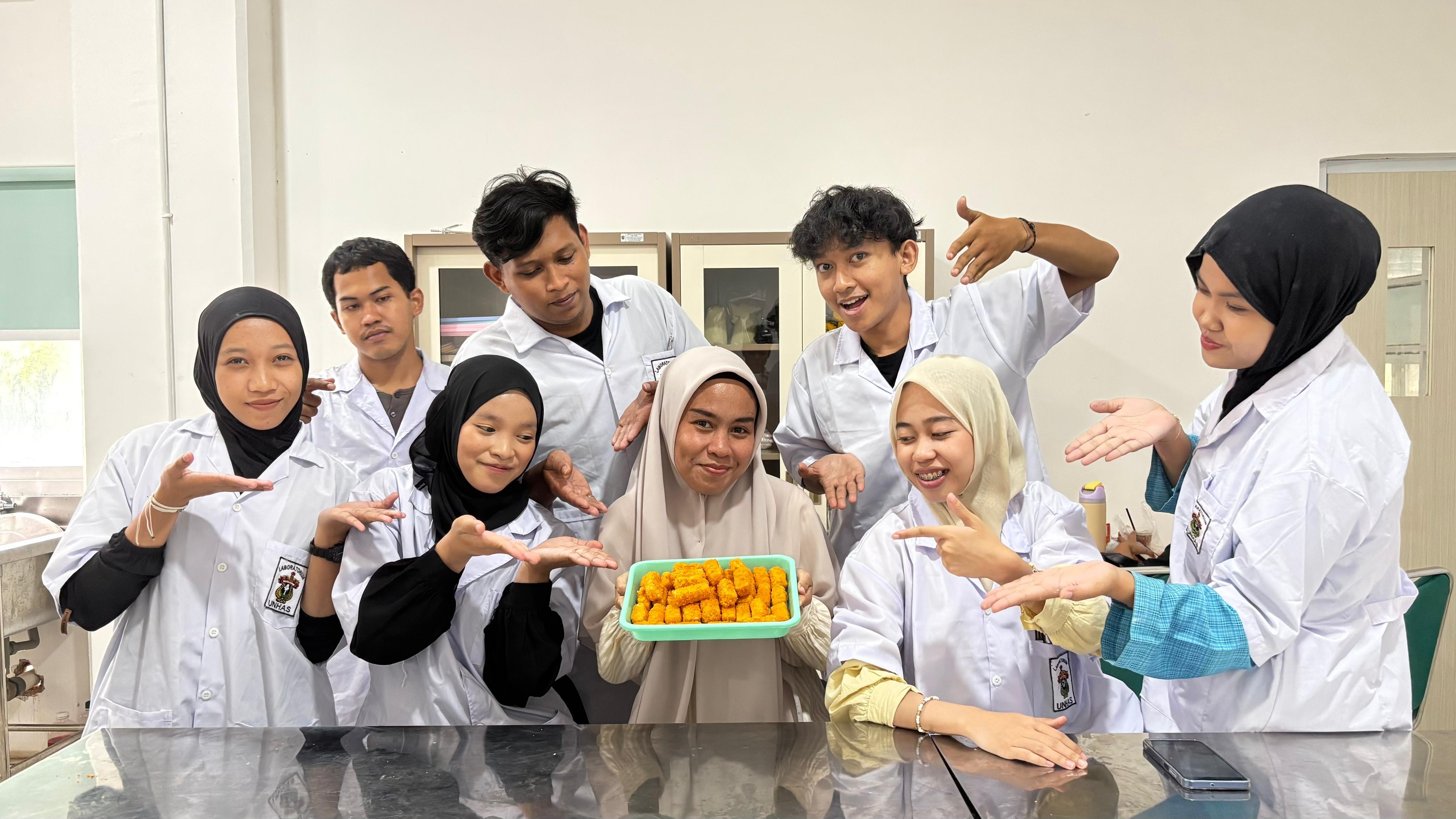
Livestock Product Processing Practicum
Livestock Product Processing Practicum: Livestock Agribusiness Students Learn to Process Value-Added Products from Upstream to Downstream
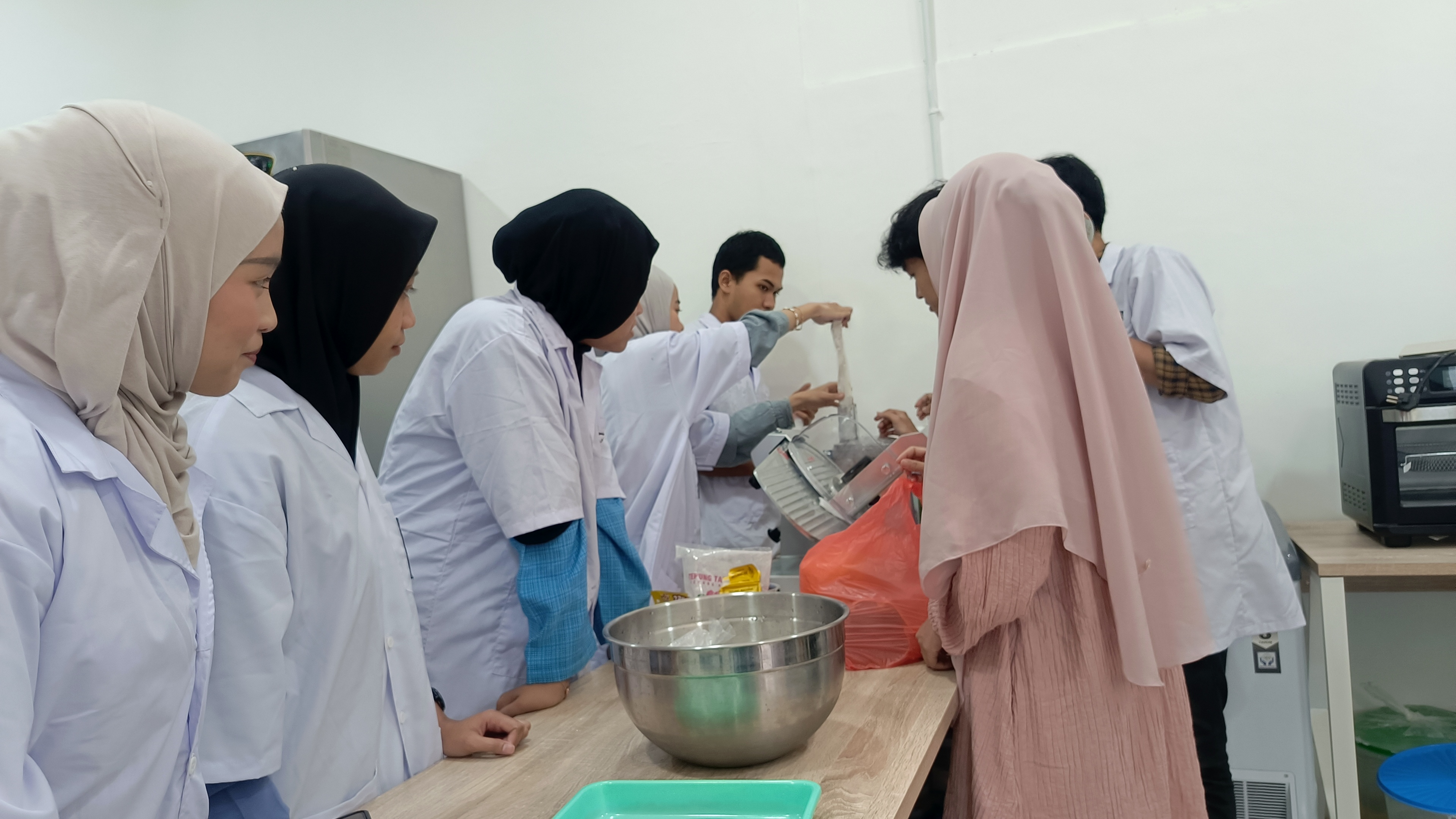
Makassar – The Livestock Agribusiness Study Program successfully conducted a one-week practical course on livestock product processing. This activity is part of the educational curriculum designed to equip students with the skills to transform livestock products into various value-added food items that hold potential for business development.
Throughout the week-long practical course, students gained hands-on experience in every stage of livestock product processing—ranging from the selection of high-quality raw materials and production processes that meet food safety standards to the use of attractive, market-ready packaging techniques. The activity took place in the laboratory under the guidance of lecturers and teaching assistants, ensuring that every student gained a comprehensive understanding of the processing procedures.
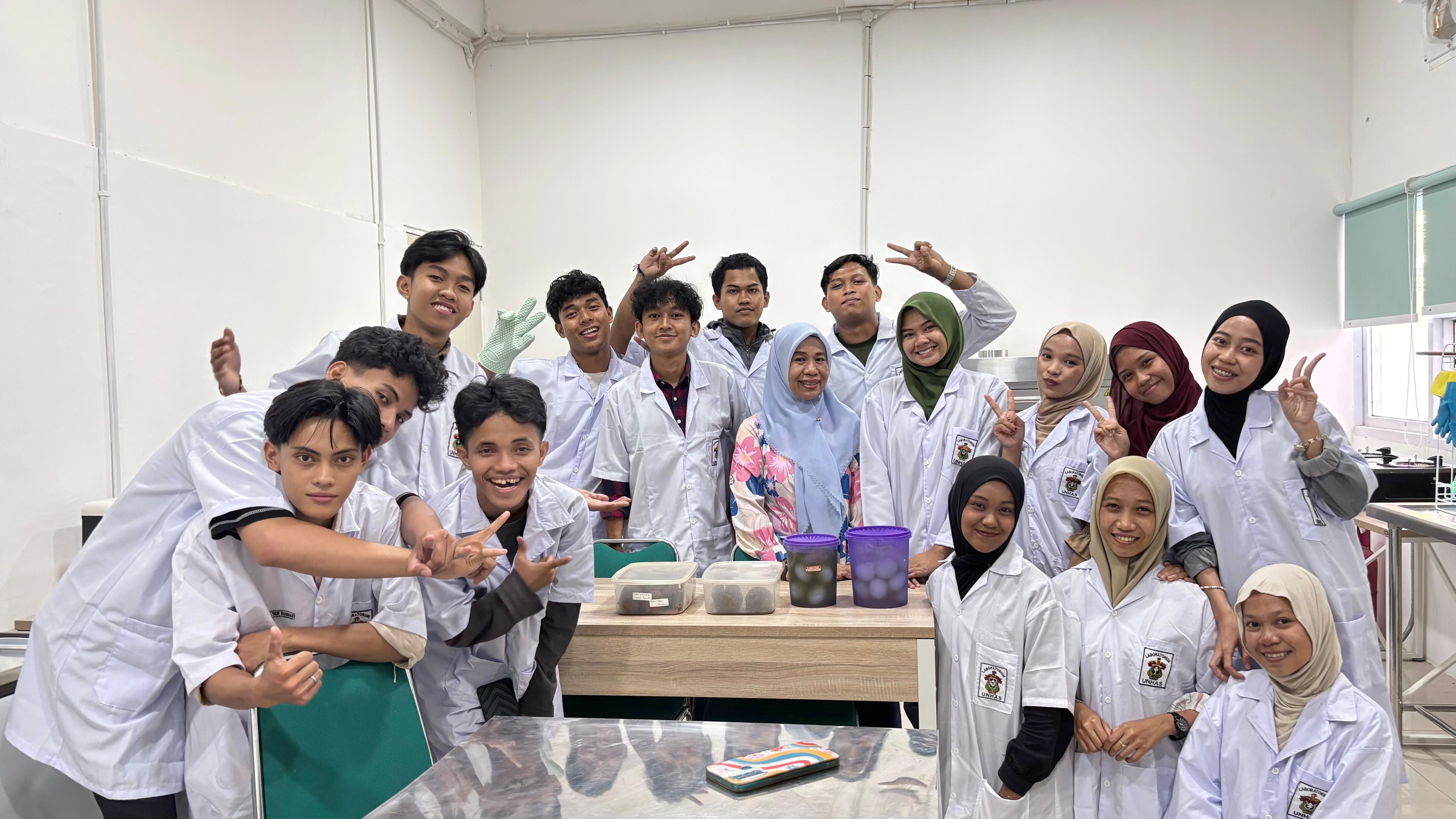
Various processed products were successfully created during the practical sessions, including salted duck eggs, beef meatballs, chicken nuggets, fresh cow's milk ice cream, and sliced meat. Each product offered a distinct learning experience, covering aspects such as processing techniques, ingredient formulation, and quality control, as well as the methods required to achieve desirable flavor, texture, and overall quality.
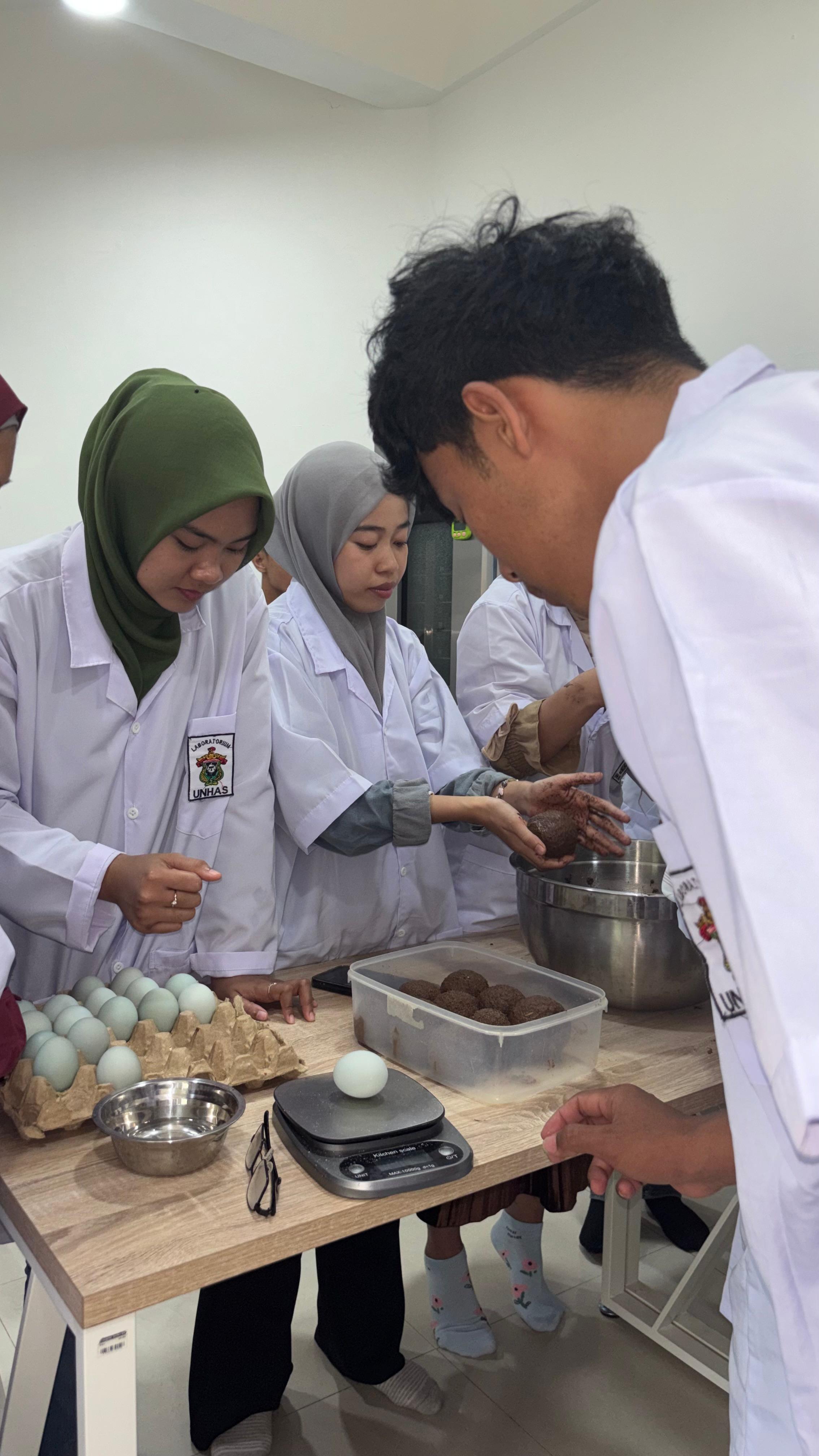
In the production of salted eggs, students learned preservation techniques involving a precise salting process, resulting in a product with an extended shelf life without compromising quality. Meanwhile, the sessions on making beef meatballs and chicken nuggets provided insights into meat processing, the appropriate use of food additives, and the importance of maintaining hygiene and sanitation throughout the production process.
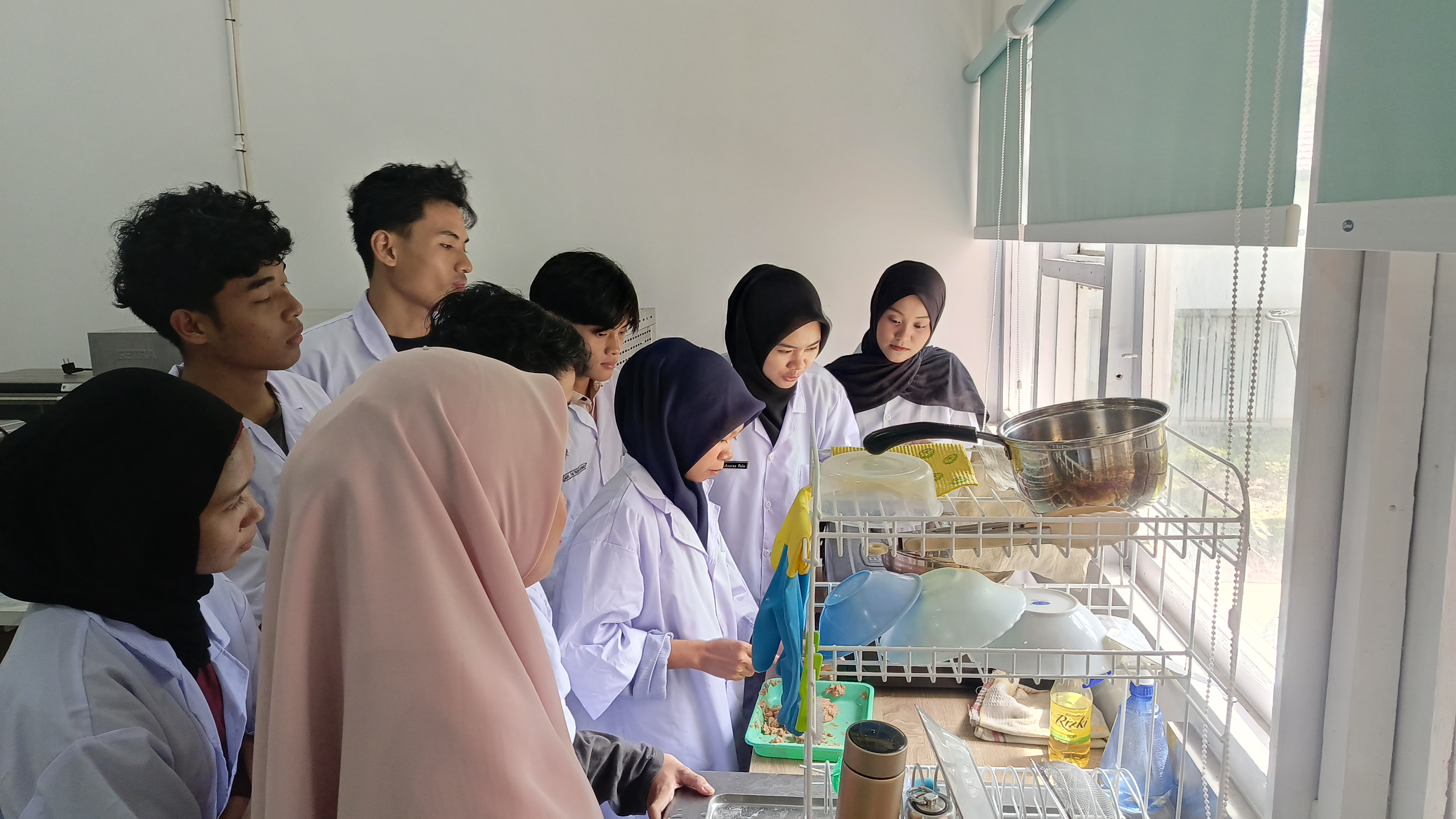
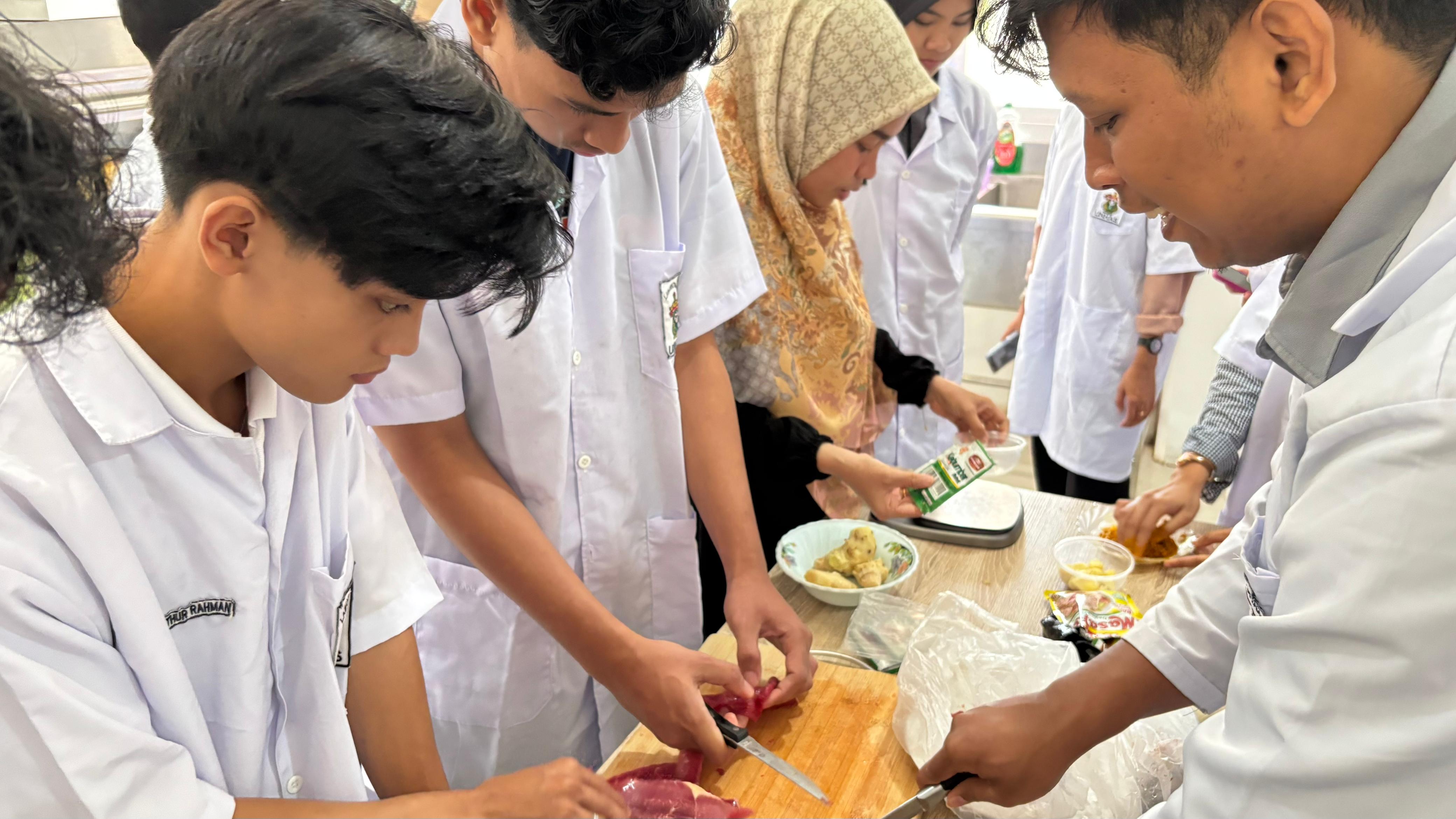
In addition, students practiced making ice cream using fresh cow's milk as the primary ingredient. This practical session demonstrated how fresh milk can be processed into a product with higher market value. During the sliced meat processing session, students learned techniques for cutting, handling, and storing meat to maintain quality and meet the demands of the modern market.
This practical training focused not only on the technical skills required to create processed products but also on providing an understanding of agribusiness aspects. Students were taught to analyze business opportunities, calculate production costs, determine selling prices, and understand product marketing strategies to ensure competitiveness in the market.
Through this activity, the Livestock Agribusiness Study Program reaffirms its commitment to producing graduates who are competent and prepared for the workforce and the business world. The applied learning approach integrates the entire livestock agribusiness chain, spanning from the upstream to the downstream sectors. Students not only gain an understanding of livestock product processing but also acquire the ability to transform these products into value-added goods with promising business potential.
It is hoped that the experience gained during this week-long practicum will enhance students' competence in livestock product processing, foster an entrepreneurial spirit, and encourage the development of product innovations that contribute to the future growth of the livestock and agribusiness industries.
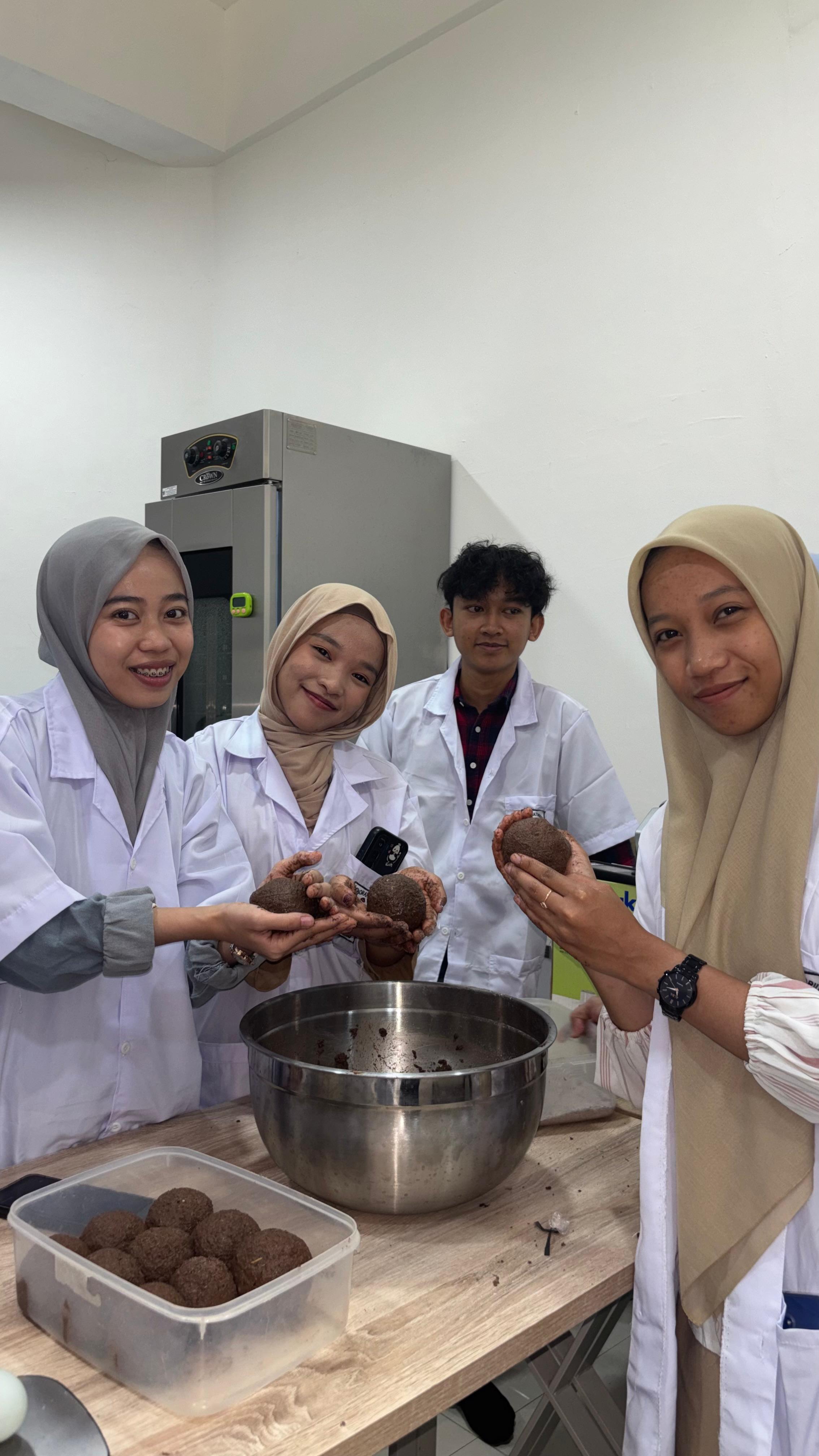
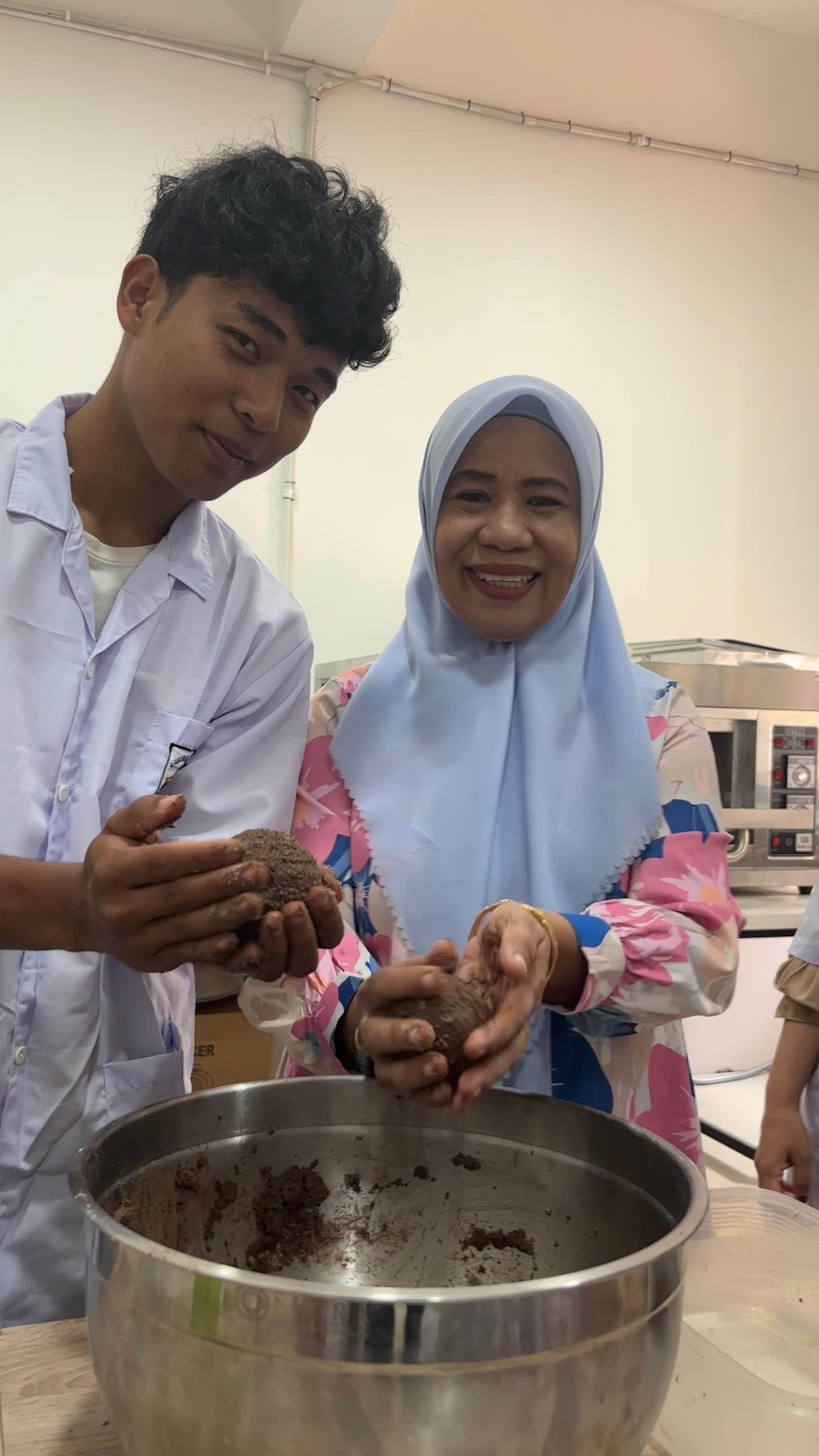
Salted Egg Coating Process
...is one of the important stages in the process of making salted eggs. At this stage, duck eggs are coated with a special mixture to ensure the salting process occurs evenly, resulting in a distinctive, high-quality flavor.
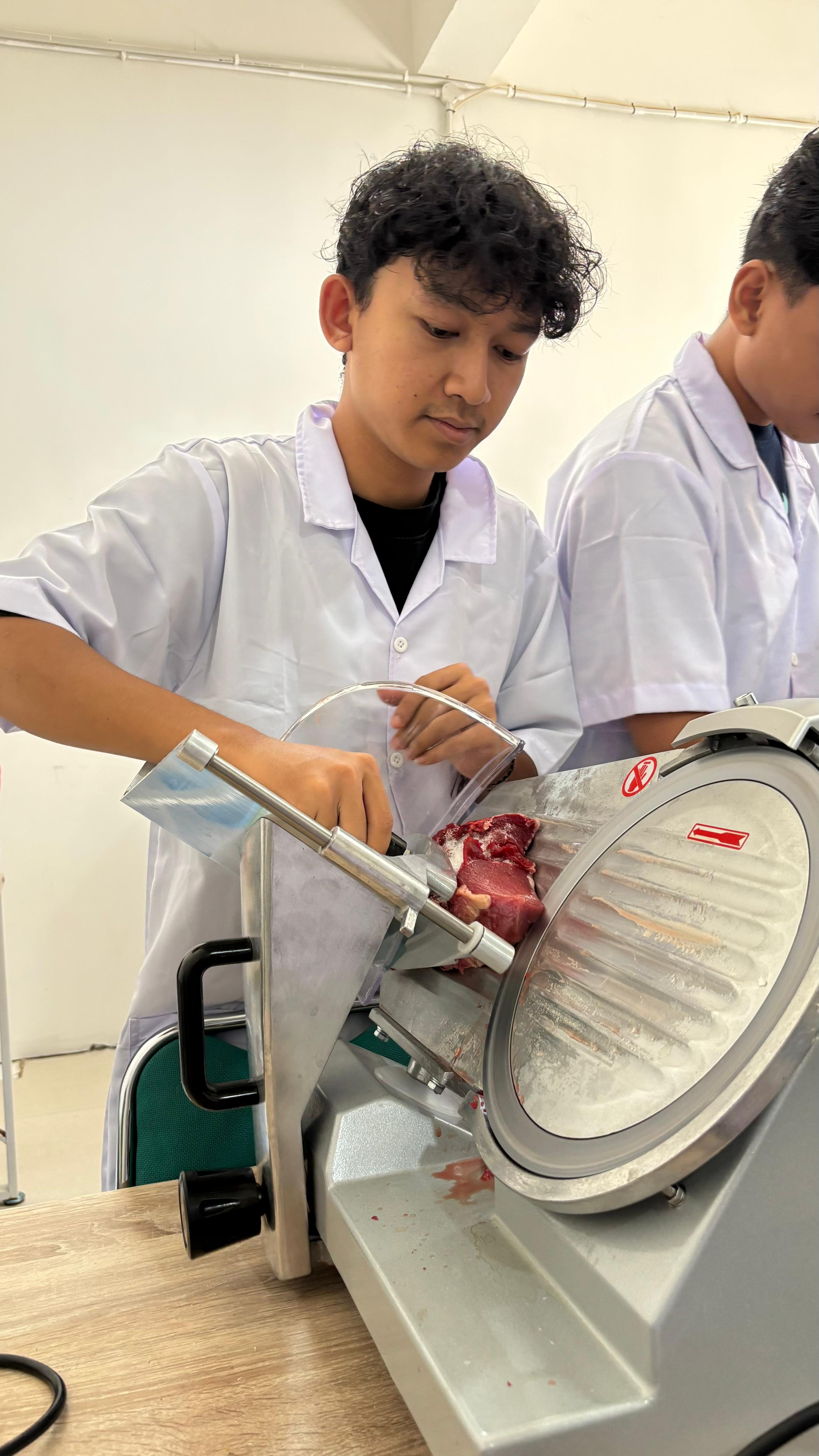
Meat Slicing
carried out using the proper technique to produce thin, uniform, and high-quality slices, making them ready for processing or marketing according to consumer needs.