
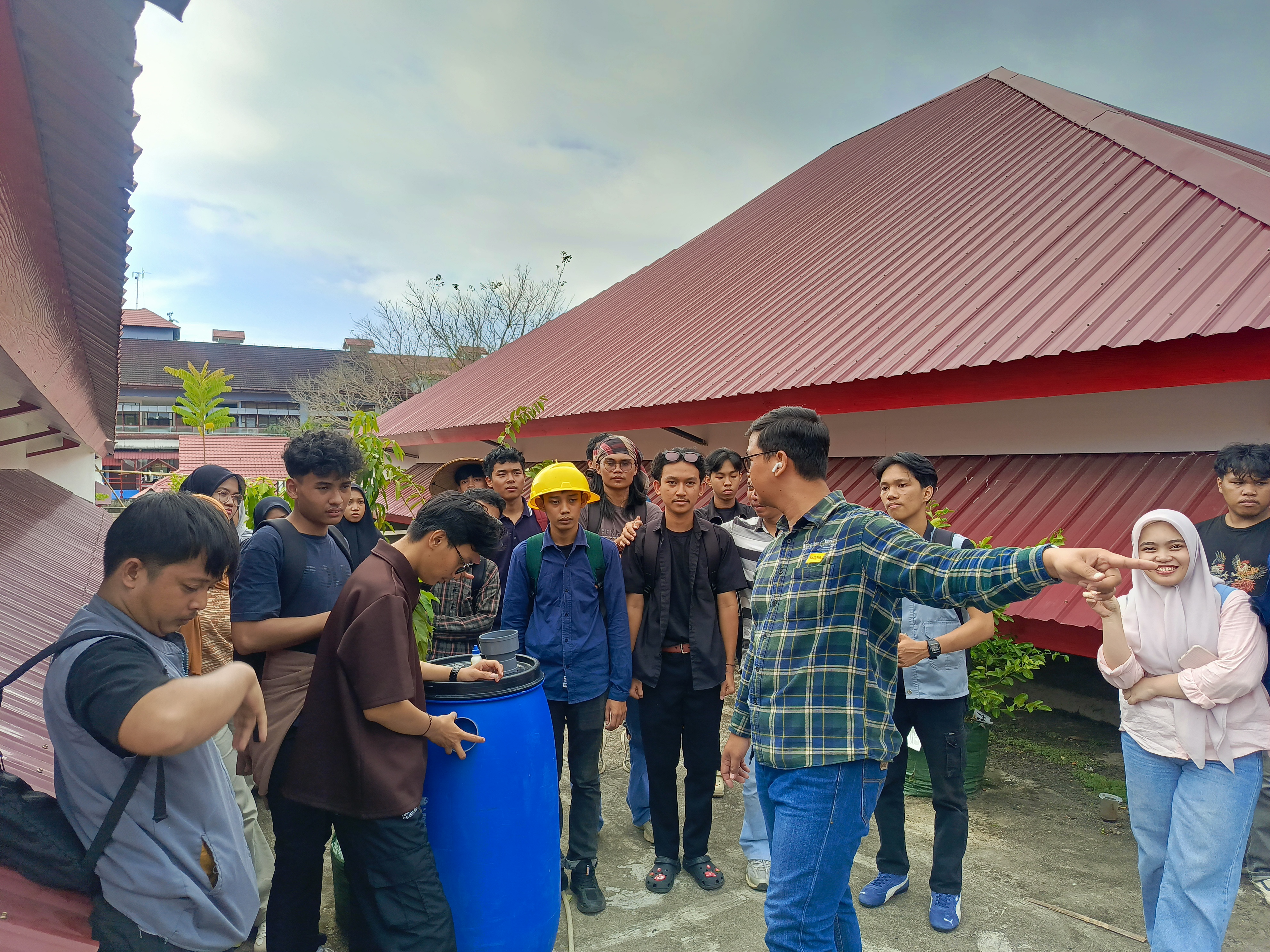
Livestock Agribusiness Students Conduct a Practicum on Constructing a Simple Biodigester
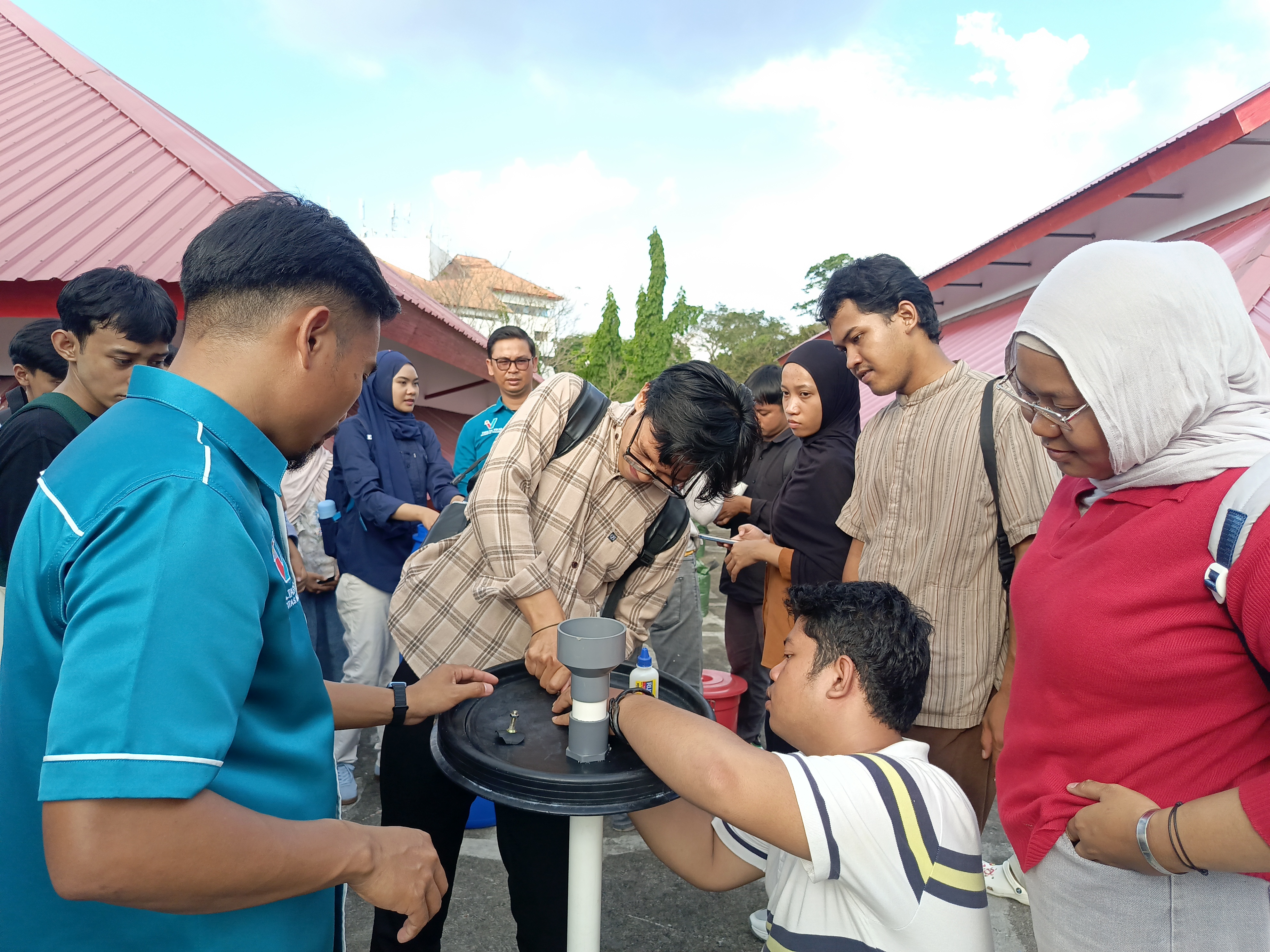
Makassar – Students from the Livestock Agribusiness study program conducted a practical exercise on constructing a simple biodigester as part of their coursework on converting livestock waste into renewable energy. The activity aimed to provide students with an understanding of the process of converting organic waste—specifically livestock manure—into eco-friendly biogas that also holds economic value.
For this practical exercise, the students utilized a drum as the biodigester reactor. The drum was configured as an airtight fermentation vessel to facilitate gas production by microorganisms. Before the fermentation process began, the students prepared the necessary materials: livestock manure, water, and an Effective Microorganisms 4 (EM4) solution to serve as a microbial activator.
The biodigester construction process began by mixing the livestock manure and water until a homogeneous mixture was achieved. Next, EM4 was added to the mixture to accelerate the decomposition of organic matter by microorganisms. Once all ingredients were thoroughly mixed, the mixture was transferred into the biodigester drum, which was then sealed tightly to maintain anaerobic (oxygen-free) conditions inside. This condition is crucial because methane-producing bacteria can only function optimally in an environment devoid of oxygen.
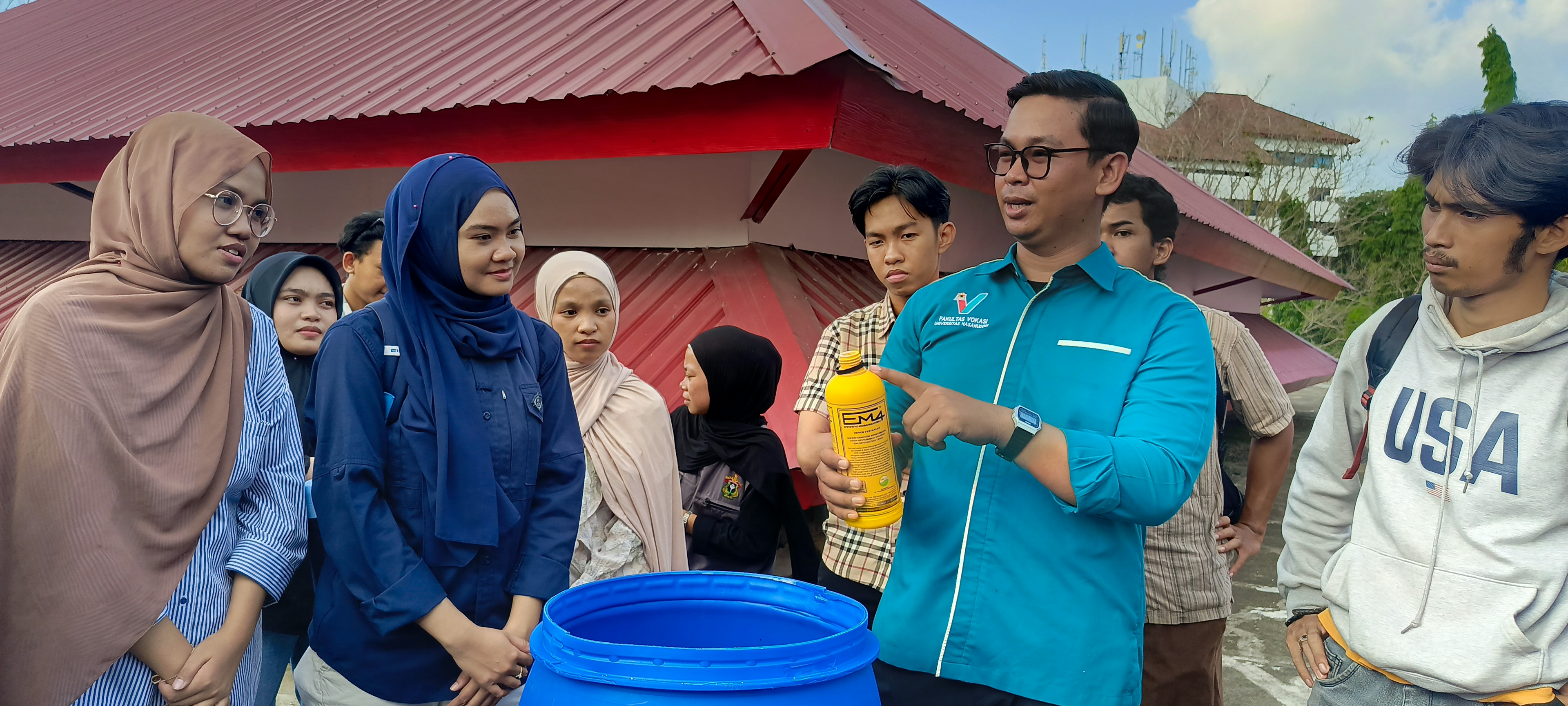
In addition to the hands-on construction work, students received explanations regarding the operating principles of the biodigester—covering everything from the anaerobic fermentation process and methane generation to the utilization of biogas as an alternative energy source for households and livestock operations. They also studied the factors influencing successful biogas production, such as material composition, the water-to-manure ratio, temperature, pH levels, and fermentation duration.
The practical session was highly interactive, involving students in every stage of the process—from preparing tools and materials, mixing feedstocks, and filling the biodigester drum, to installing the gas lines. Through this hands-on experience, students gained practical insight into a livestock waste treatment technology that is simple yet offers significant benefits for the sustainability of the livestock sector.
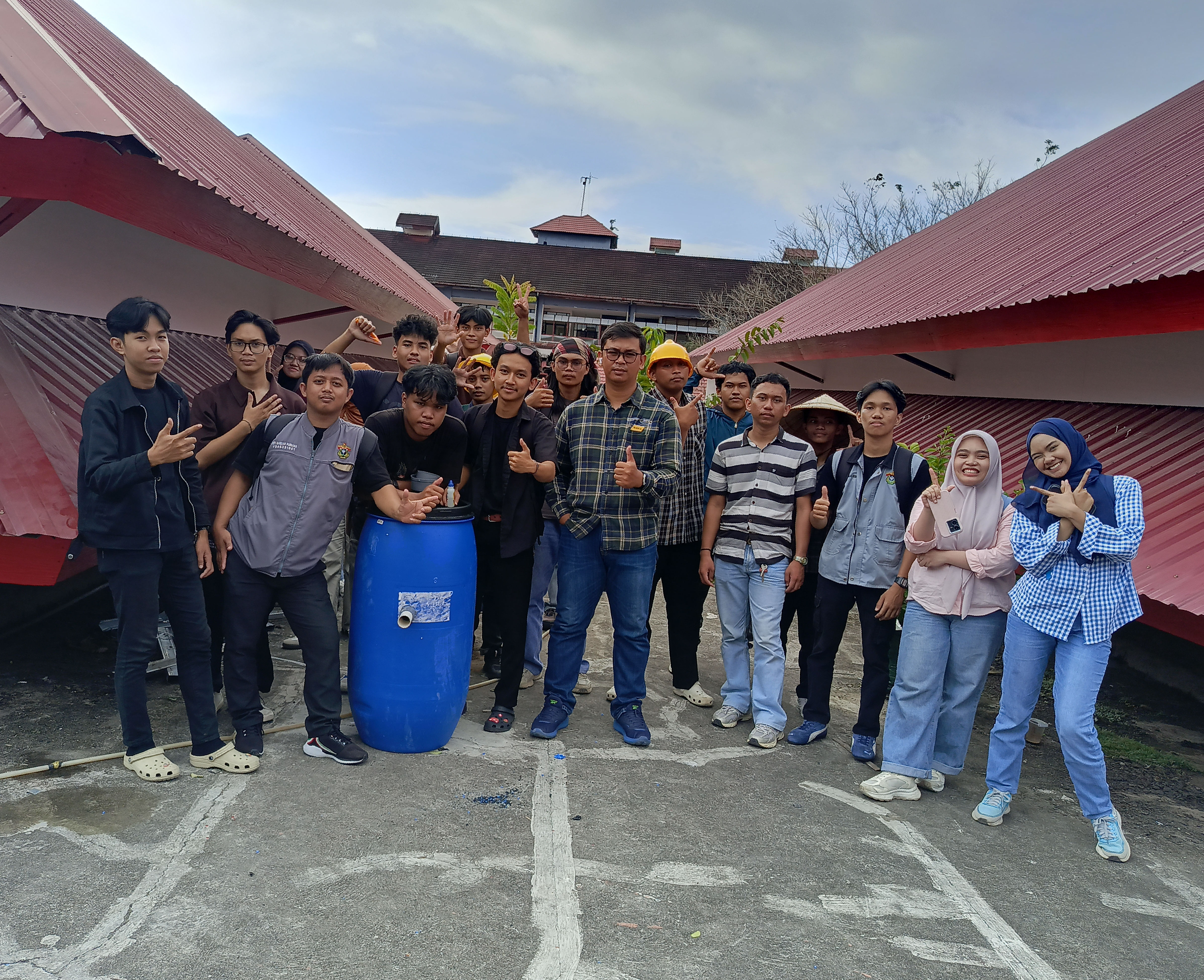
The practicum supervisor explained that utilizing a biodigester not only reduces environmental pollution caused by livestock waste but also generates renewable energy in the form of biogas, which can serve as fuel. Furthermore, the fermentation residue—or bioslurry—retains a high nutrient content, making it suitable for use as organic fertilizer to enhance soil fertility.
Through this activity, students are expected to grasp the importance of implementing appropriate technology in livestock waste management. The knowledge and skills acquired will serve as a foundation for developing livestock enterprises that are more efficient, environmentally friendly, and sustainable.
The Livestock Agribusiness Study Program remains committed to providing practical, hands-on activities that align with technological advancements in the livestock sector. By integrating theory with field practice, the program aims to produce graduates who are innovative and competent, and who are committed to environmental stewardship by transforming livestock waste into a valuable energy resource.