
Livestock Agribusiness Students Participate in Packaging and Labeling Practicum at PLUT South Sulawesi
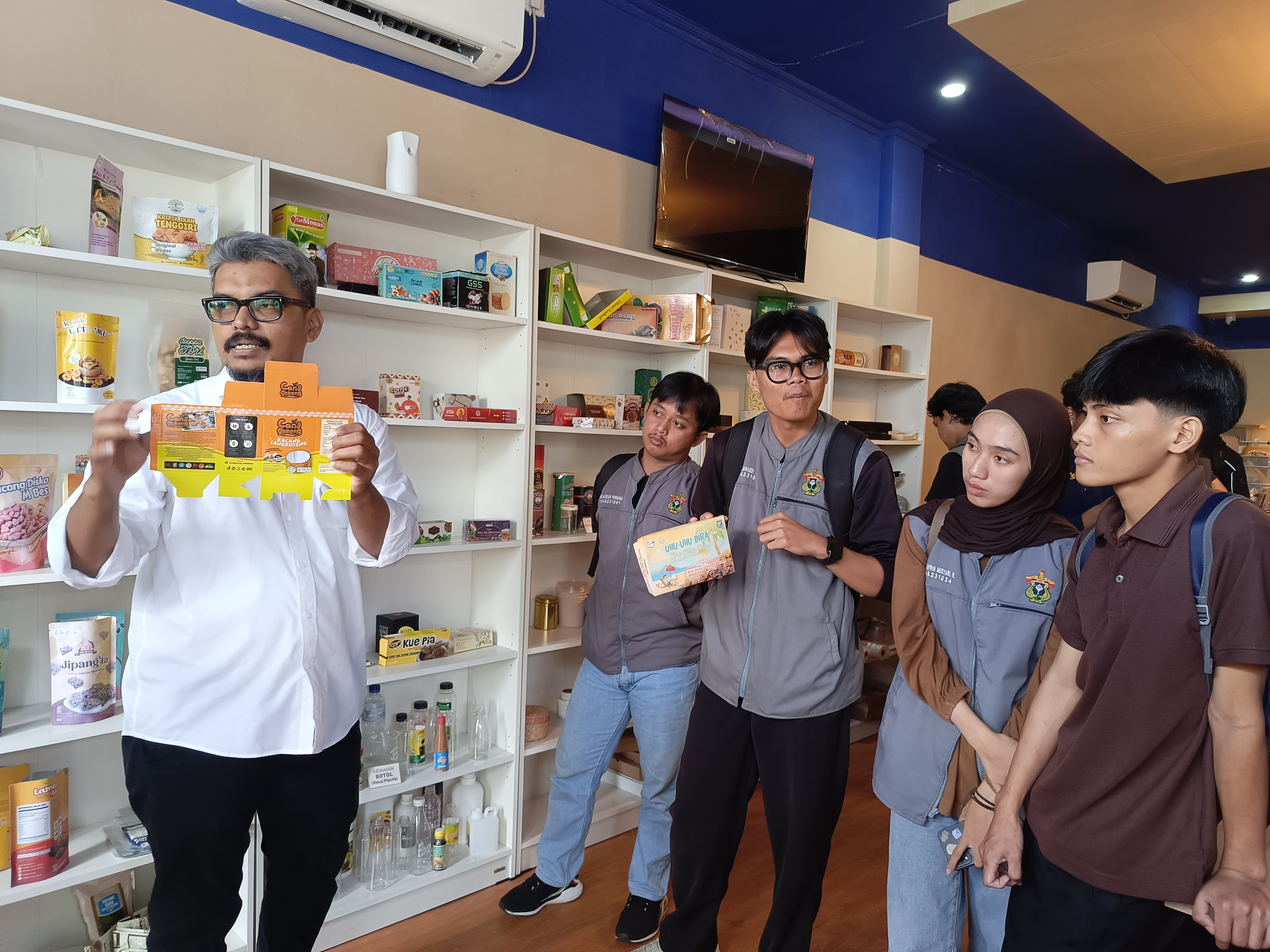
Makassar – Students from the Livestock Agribusiness study program participated in a practical session on product packaging and labeling at the South Sulawesi Integrated Business Service Center (PLUT). The activity aimed to enhance the students' knowledge and skills regarding packaging techniques that are effective, visually appealing, and aligned with market demands.
During the session, students learned about the importance of packaging as a key factor influencing a product's market value. Packaging serves not only to protect the product from damage during storage and distribution but also acts as a promotional tool capable of attracting consumer attention. Therefore, the choice of packaging must be tailored to the product's specific characteristics to ensure its quality is maintained.
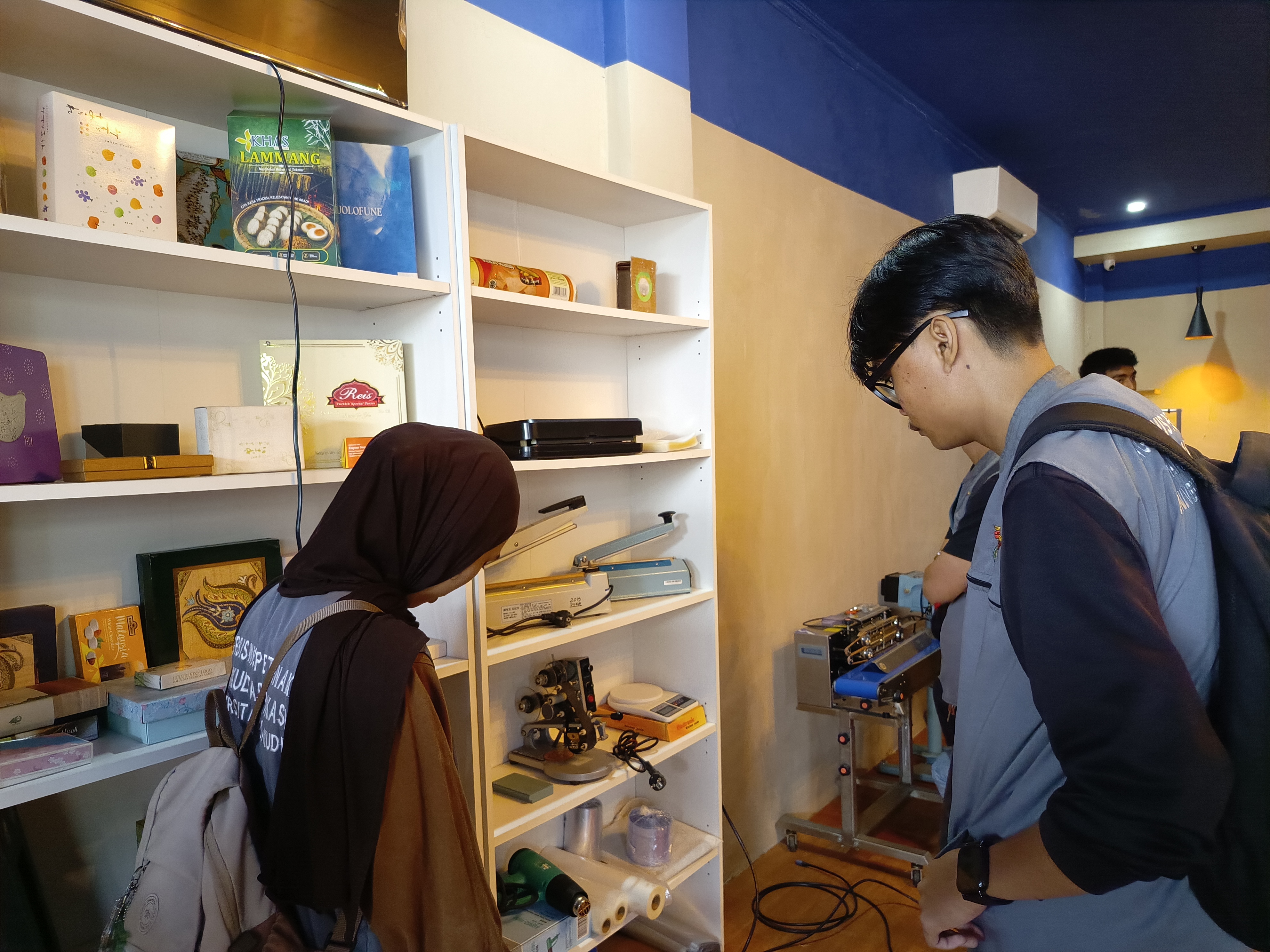
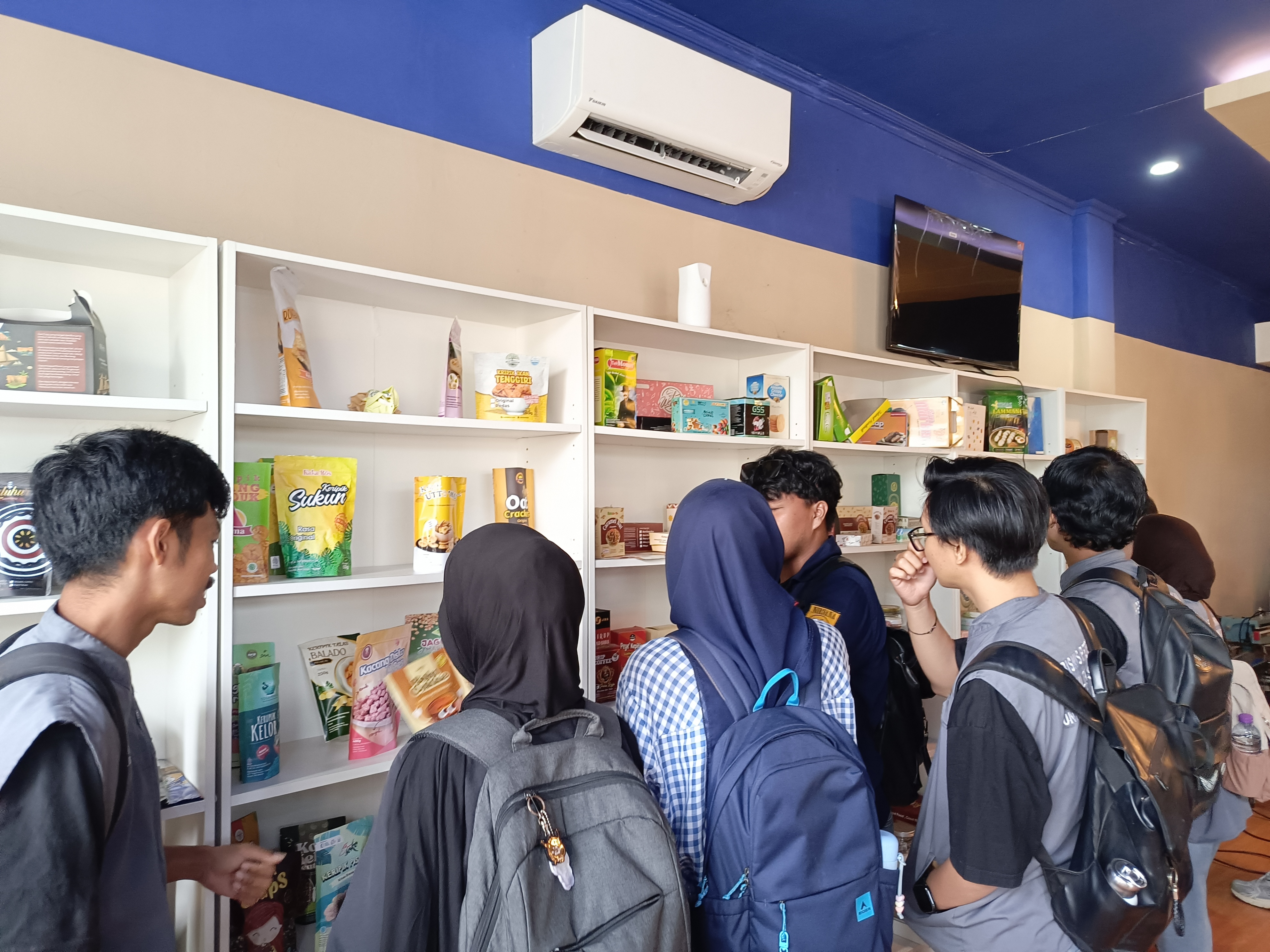
During the practical session, participants were introduced to various types of packaging commonly used for food and livestock products—such as vacuum plastic packs, standing pouches, bottles, cups, and eco-friendly materials. Students also examined the advantages and disadvantages of each packaging type, enabling them to make appropriate choices based on the specific needs of the products to be marketed.
Beyond theory, students had the opportunity to gain hands-on experience with the packaging process using equipment available at PLUT South Sulawesi. Instructors explained the correct procedures for operating the packaging machinery, covering everything from product preparation and machine settings (such as temperature and pressure) to sealing techniques that ensure a secure, airtight package. This practical activity provided students with real-world experience in operating the types of packaging equipment widely used by business owners.
Furthermore, students learned how to create informative and appealing product labels. The material covered essential labeling elements—such as product name, ingredients, net weight, production and expiration dates, and manufacturer details—as well as visual design strategies to enhance consumer appeal. By mastering labeling concepts, students are expected to be able to create products with a clear identity that also comply with marketing regulations.
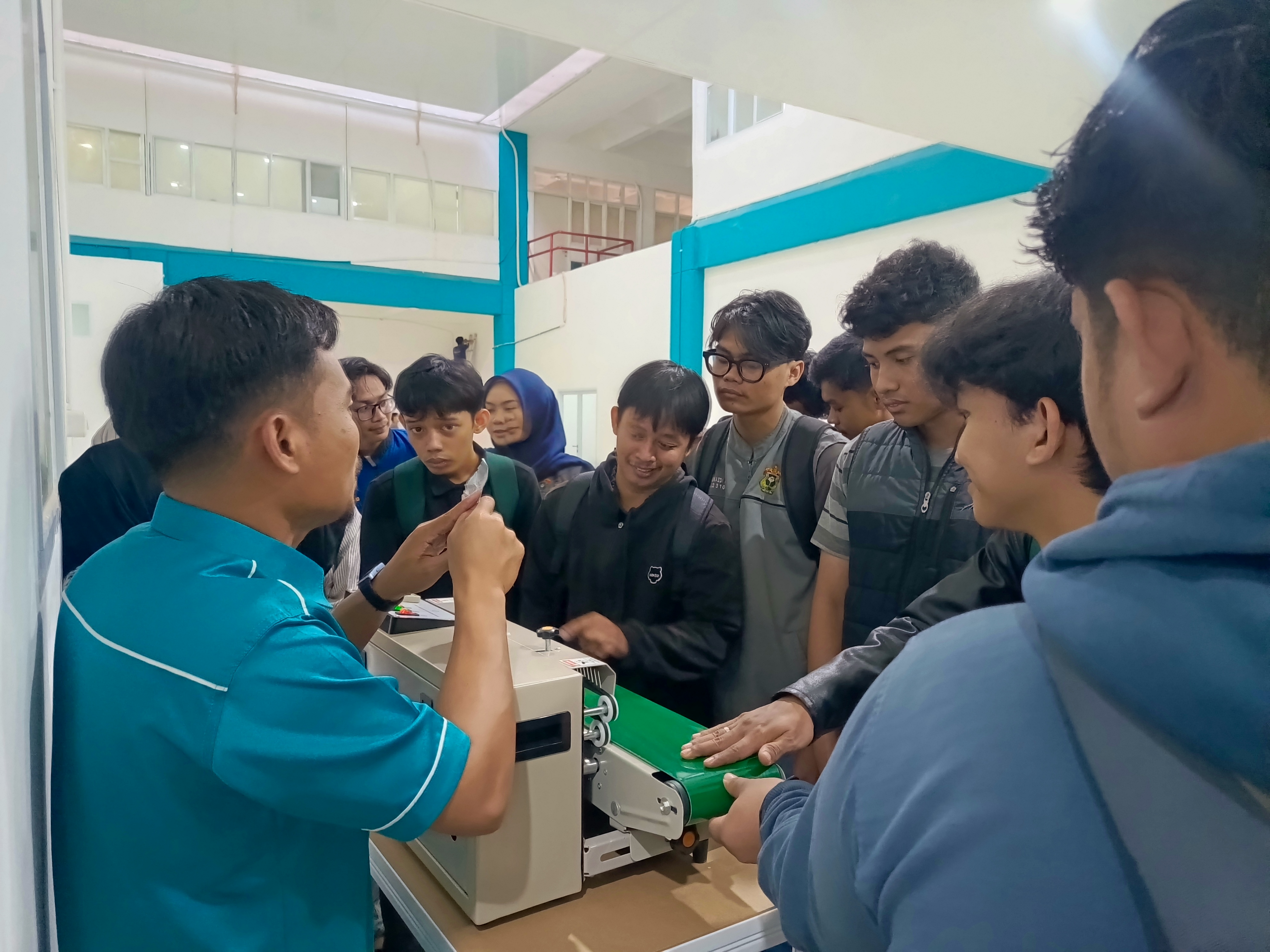
The practical session was conducted interactively, featuring discussions, demonstrations, and hands-on practice. Students participated enthusiastically in every session, actively asking questions about effective packaging techniques and strategies to enhance product value through innovative packaging design.
Through this practical activity, students of the Livestock Agribusiness Study Program gained new insights into the importance of packaging and labeling in agribusiness development. The knowledge and skills acquired are expected to equip them to create highly competitive and economically valuable livestock products ready for both local and national markets.
The Livestock Agribusiness Study Program hopes to continue organizing such activities through collaborations with various institutions and industry partners. In this way, students will not only grasp classroom theory but also gain practical experience relevant to the needs of the business and industrial sectors, ultimately becoming competent, innovative graduates ready to face the challenges of the livestock agribusiness field.