Unhas Geophysics Department Undergoes Field Assessment for Master’s Program Accreditation
Unhas Geophysics Department Undergoes Field Assessment for Master’s Program Accreditation
The Master’s Program (S2) in Geophysics, Faculty of Mathematics and Natural Sciences (FMIPA), :contentReference[oaicite:0]{index=0} conducted a Field Assessment (Asesmen Lapangan/AL) on January 26–27, 2026 as part of its accreditation process. This activity serves as a strategic effort to maintain and enhance the quality of higher education, particularly in the field of earth sciences, ensuring its relevance to scientific developments and industry needs.
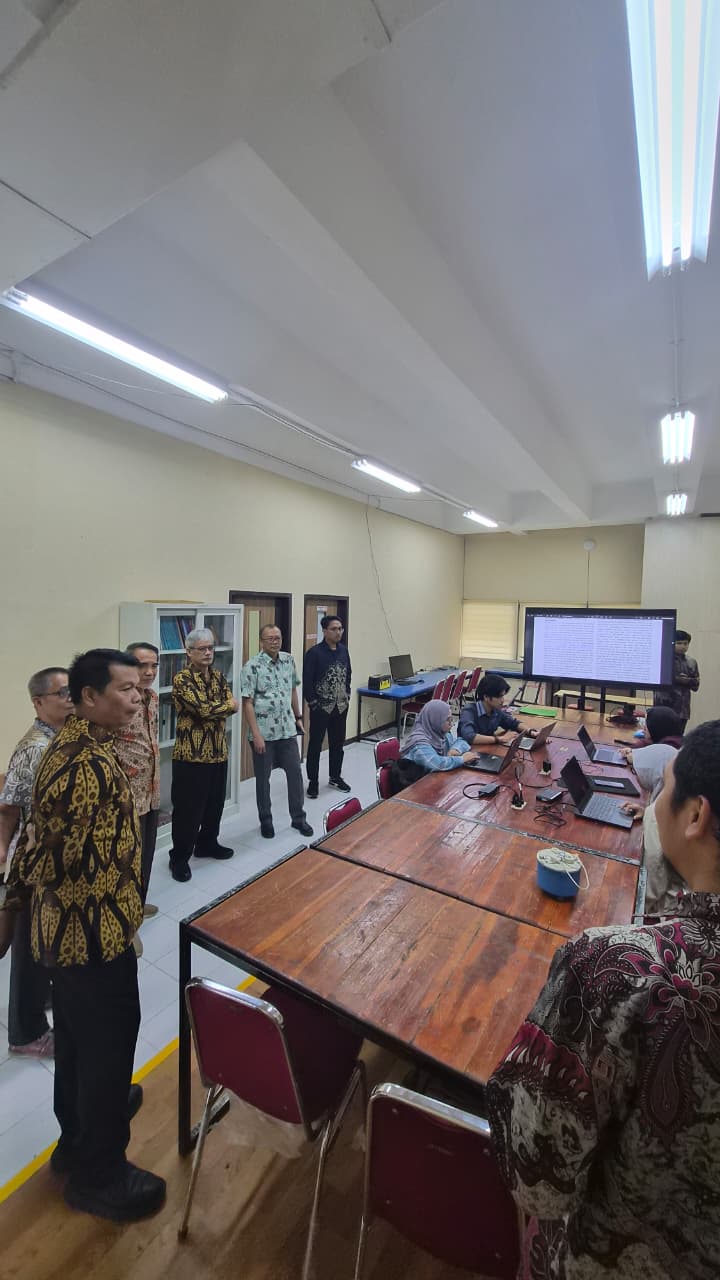
During the two-day assessment, the team of assessors carried out a series of comprehensive evaluations. This process included verification of academic and administrative documents prepared by the study program, as well as direct observation of facilities that support teaching and research activities. The evaluation focused on several key aspects, including the implemented curriculum, the quality and competence of human resources—both academic staff and administrative personnel—and the availability and adequacy of infrastructure, including laboratory facilities.
In addition, the assessors reviewed the achievements of students and alumni as indicators of the program’s success in producing high-quality human resources. This aspect is important as it reflects how effectively the educational process equips students with the competencies required in the workforce and in research development. The evaluation was not only administrative in nature but also emphasized the actual implementation of various policies and programs designed by the study program.
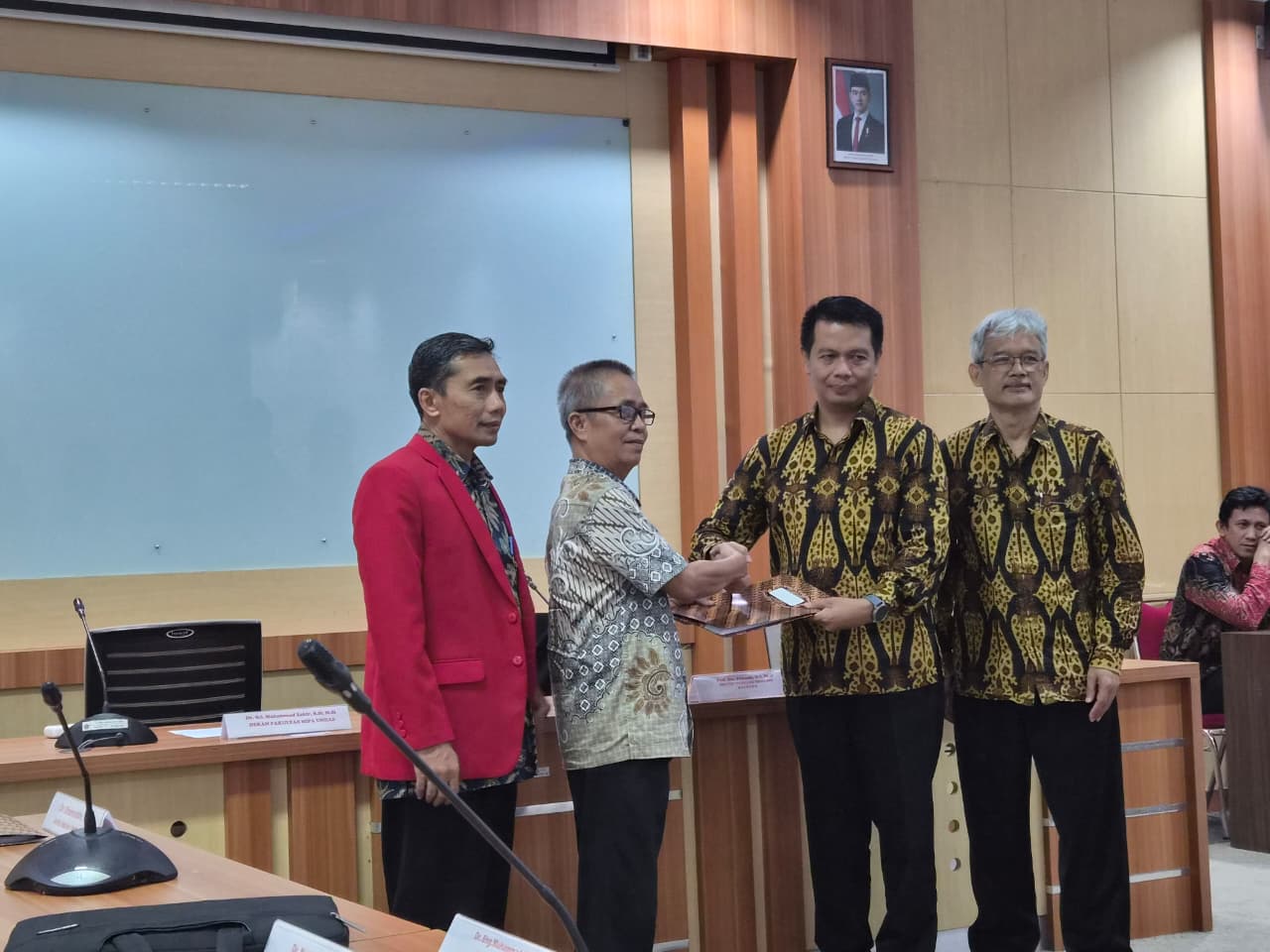
The assessment was officially opened by the university and faculty leadership. In their remarks, they emphasized that the accreditation process is not merely a routine administrative obligation. Rather, it is viewed as an important instrument to measure the quality and relevance of the education provided. This includes the alignment of the curriculum with the latest developments in geophysics, as well as the program’s ability to address challenges and meet the needs of industry and research at both national and global levels.
Through this field assessment, the study program is expected to gain constructive feedback from the assessors to further improve the quality of its educational implementation. This process also serves as a moment of reflection for the entire academic community to continue innovating and improving aspects that still require enhancement. Therefore, the Master’s Program in Geophysics is expected to maintain and even elevate its quality standards, while producing graduates who are competent, adaptive, and ready to contribute to the advancement of earth science and technology in the future.