
The Voices of Takalar Coastal Women Presented at SustainWell 2026
The Voices of Takalar Coastal Women Presented at SustainWell 2026
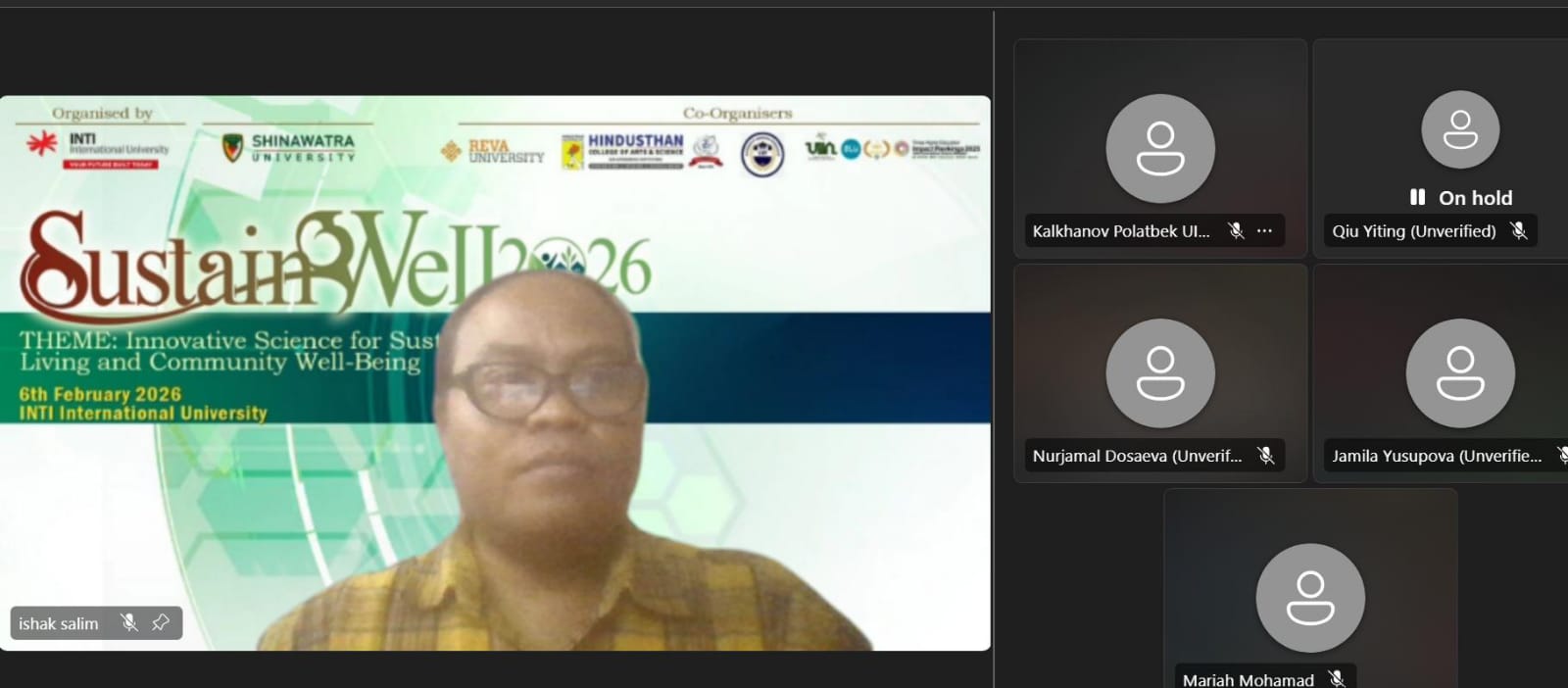
Nilai, Malaysia. On February 6, 2026, Dr. Ishak Salim, Lecturer in Administrative Sciences at Hasanuddin University's Faculty of Social and Political Sciences and Research Fellow at INTI International University, presented his research findings online at the 1st International Conference on Sustainable Living and Community Wellness (SustainWell 2026). This international event was held in a hybrid format, centered at INTI International University, Nilai, Malaysia, and attended by researchers, practitioners, and policy makers from various countries. Dr. Ihsak is also a senior researcher at the POLiGOV (Policy & Governance) Laboratory, Hasanuddin University, and a member of the Maritime Governance & Sustainability Development Research Group team.
In the conference themed “Building Healthy Communities for a Sustainable Future,” Dr. Ishak brought the voices of Takalar coastal women, especially those who have been working hard in the seaweed value chain but remain invisible in development policies. This research uses a feminist approach, combining Judith Butler's Theory of Performativity and Nancy Fraser's 3 dimensions of justice: redistribution, recognition, and representation.
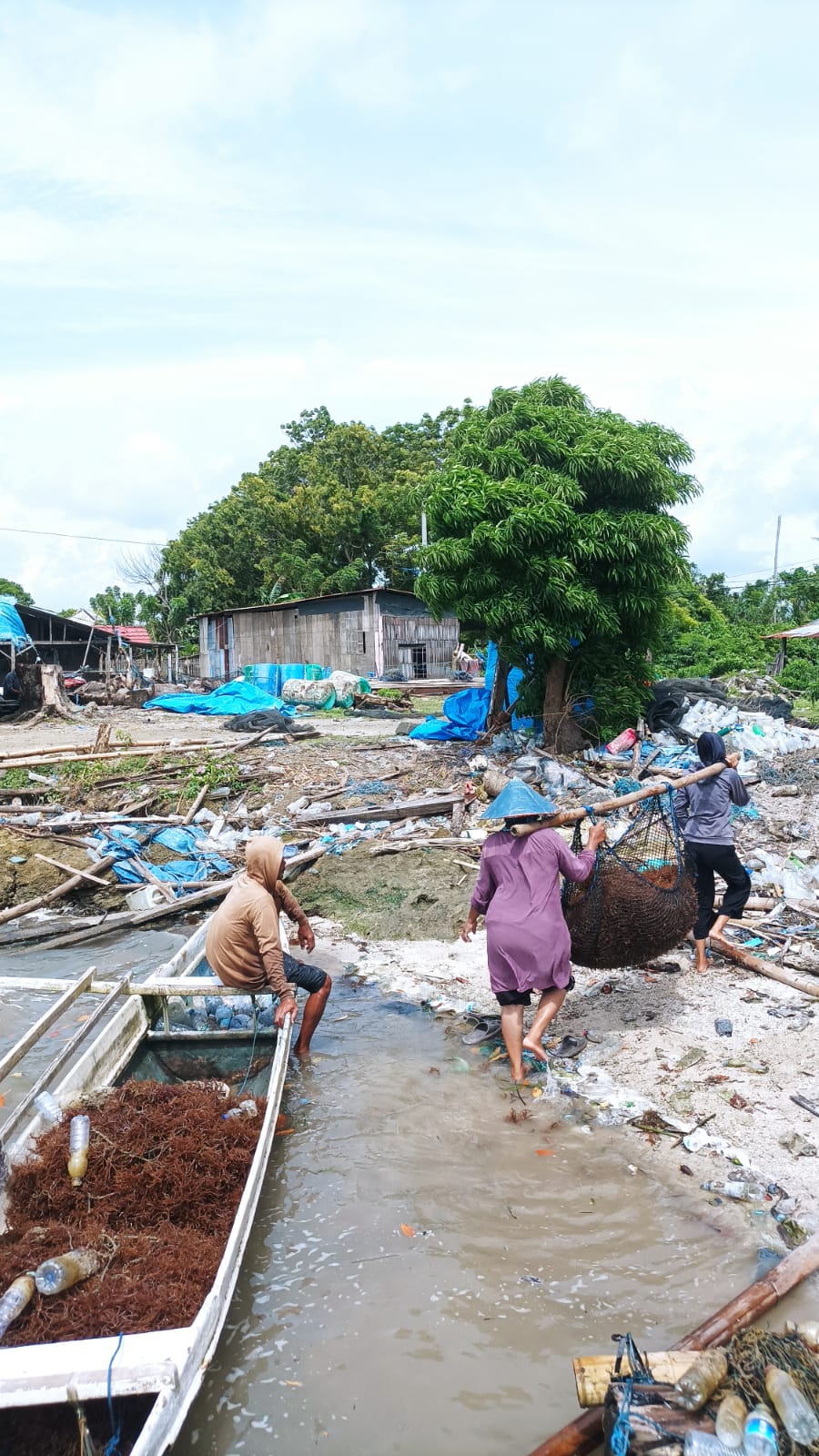
Through her field findings, Dr. Ishak showed how the norm of “men at sea, women on land” was formed from repeated practices and limited women's work space. On the other hand, women actually play an important role in maintaining the quality of seaweed through their work of tying, drying, and cleaning. “We sit tying until the afternoon; our bodies ache, our waists and knees hurt,” said a Laikang woman, describing repetitive work that is rarely recognized for its value.
Dependence on middlemen also reveals structural injustice. Many farming families receive capital advances that are then deducted at harvest time, while quality assessment is in the hands of collectors and factories. One woman in Laikang said, “If the port or factory is built, we will no longer be able to produce seaweed,” expressing her concern that the KIT (Takalar Industrial Area) project could potentially convert their living space on the Mangarabombang coast.
Dr. Ishak emphasized that coastal women are not only workers but also owners of ecological knowledge—from seasons and currents to drying standards—which should form the basis of policy. He also encouraged reform through access to microfinance, collective contracts, quality training, and quotas for women's representation in development planning and environmental impact assessment consultations.
At the end of his presentation, Dr. Ishak emphasized that gender-equitable coastal development can only be achieved if women are given space, rights, and recognition as key actors. The future of Takalar seaweed is not only determined by weather and markets, but also by the courage to place women at the center of policy.