THE FACULTY OF SOCIAL AND POLITICAL SCIENCES (FISIP) OF HASANUDDIN UNIVERSITY (UNHAS) PRESENTS A POLICY BRIEF ON ARCHIPELAGO GOVERNANCE TO THE MAYOR OF MAKASSAR
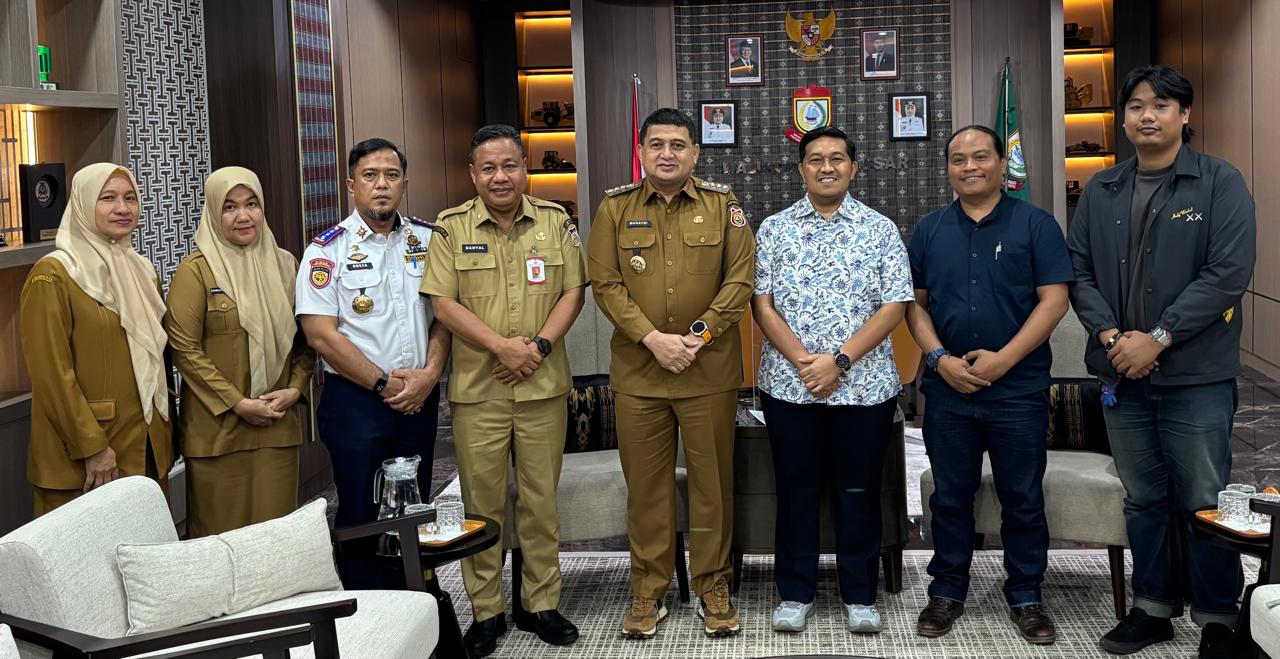
Makassar January 19, 2026 – The Mayor of Makassar, Munafri Arifuddin, received a visit from the Policy & Governance Laboratory (POLiGOV), Department of Administrative Sciences, Faculty of Social and Political Sciences (FISIP), Hasanuddin University, on Monday, January 19, 2026. The meeting took place at Makassar City Hall and was attended by a number of Regional Apparatus Organizations (OPD), namely the Regional Planning and Development Agency (Bappeda), the Health Office, the Education Office, and the Makassar City Transportation Office.
The POLiGOV delegation consisted of Dr. Ishak Salim, MA, and Andi Ahmad Yani, M.Si, MPA, M.Sc, along with Muhammad Farid, Chair of the Public Administration Student Association (HUMANIS) of the Faculty of Social and Political Sciences, Hasanuddin University. The meeting aimed to present a policy brief on improving archipelagic governance in Makassar City.
The policy brief is one of the outputs of the Maritime Governance Class field study conducted on Barrang Caddi Island in October 2025. This study highlighted various challenges faced by island communities, particularly related to limited access to basic services due to the geographical conditions of the archipelago.
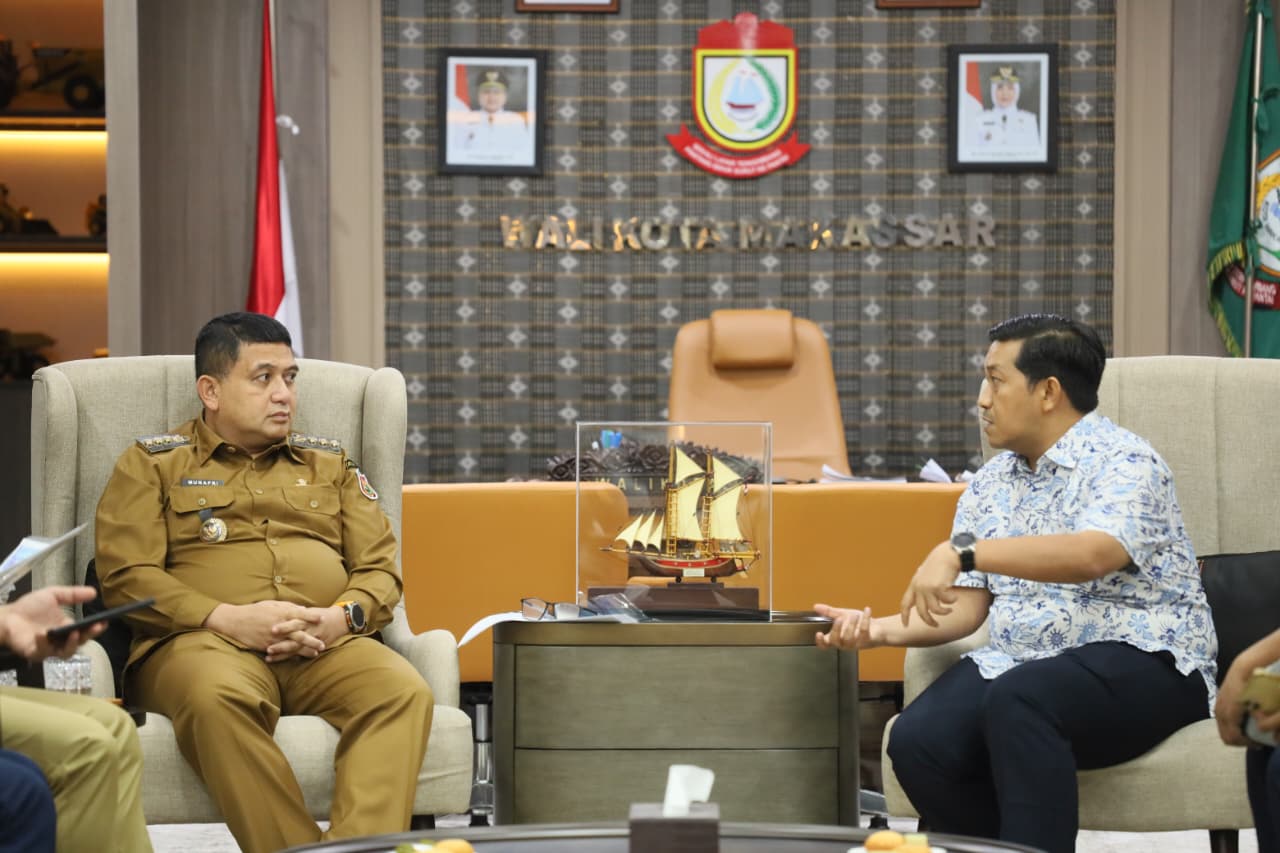
During the meeting, Andi Ahmad Yani and Dr. Ishak Salim presented the main points of the policy brief, which emphasized the importance of strengthening island governance based on justice and sustainability. One of the issues raised was access to education for island children. Limited secondary education facilities on small islands result in high costs for families when children continue their education to higher levels on the mainland.
In addition to the education sector, the condition of maritime transportation infrastructure has also drawn attention. Kayu Bangkoa Pier is considered to not meet inclusive public service standards, such as access for people with disabilities, the availability of toilets and waiting rooms, and passenger safety. Waste management and clean water provision in the island region have also been highlighted, as they are not yet optimal and actually increase the economic burden on residents who have to purchase gallons of water for their daily needs.
Dr. Ishak Salim added that coastal abrasion poses a serious threat to island communities because it continues to shrink their living space. Self-help efforts to mitigate abrasion by utilizing coral reefs have the potential to damage the marine ecosystem, which is a vital habitat for fish and a source of livelihood for the community. This situation presents a unique challenge for island youth who care about coastal environmental preservation.
On the occasion, Andi Ahmad Yani emphasized that the sustainability of small islands cannot be achieved through a purely top-down approach. Island communities need to be positioned as partners or co-producers in coastal area management. He stated that a strong commitment from the city government is needed to consolidate policies across government agencies and position small islands as an integral part of Makassar's development agenda.
Responding to the presentation, Makassar Mayor Munafri Arifuddin expressed his appreciation for the academic contribution of POLiGOV FISIP Unhas. He emphasized the Makassar City Government's commitment to improving the quality of public services for island communities to prevent social and economic inequality. Munafri also presented plans for a pete-pete island program as a mode of transportation for island communities, as well as plans to develop educational services in the island region. The meeting concluded with the handover of a policy brief and a group photo as a form of commitment to collaboration between the local government and universities in promoting more equitable and sustainable island governance.