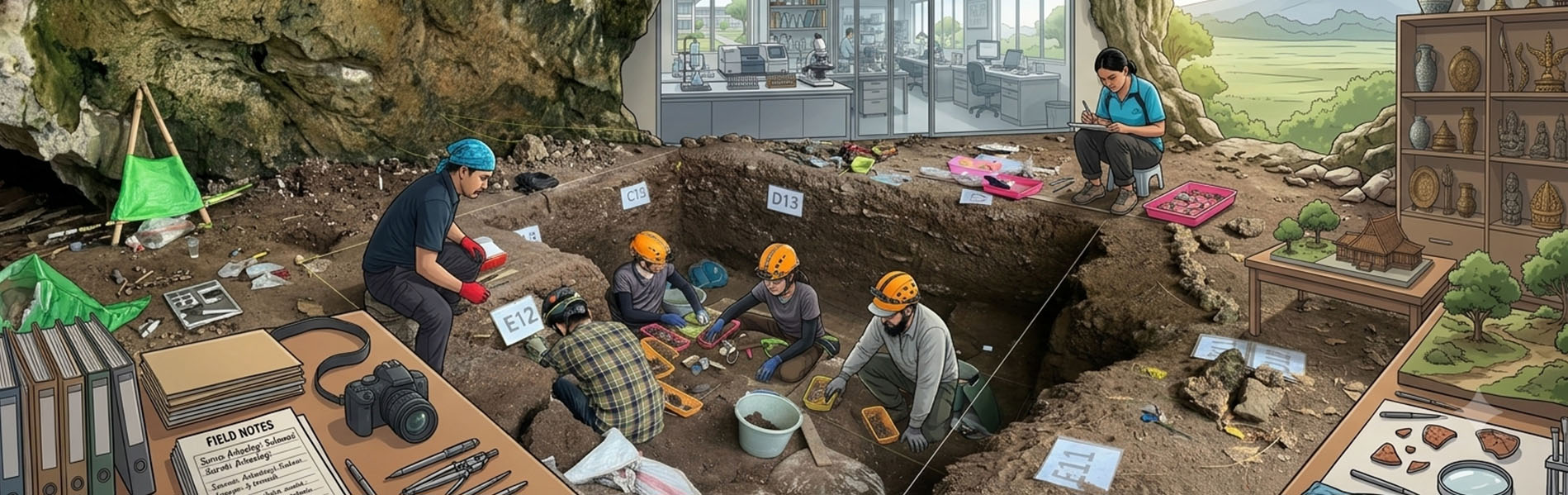
Tracing Prehistoric Maritime Networks: UNHAS Archaeologists and Japan's National Museum of Ethnology Uncover Ancient Migration in Selayar
How did early humans navigate the seas and utilise natural resources in the archipelago of Eastern Indonesia thousands of years ago? It is this major historical mystery that a team of researchers from the Department of Archaeology at Hasanuddin University is seeking to unravel through a large-scale international expedition.
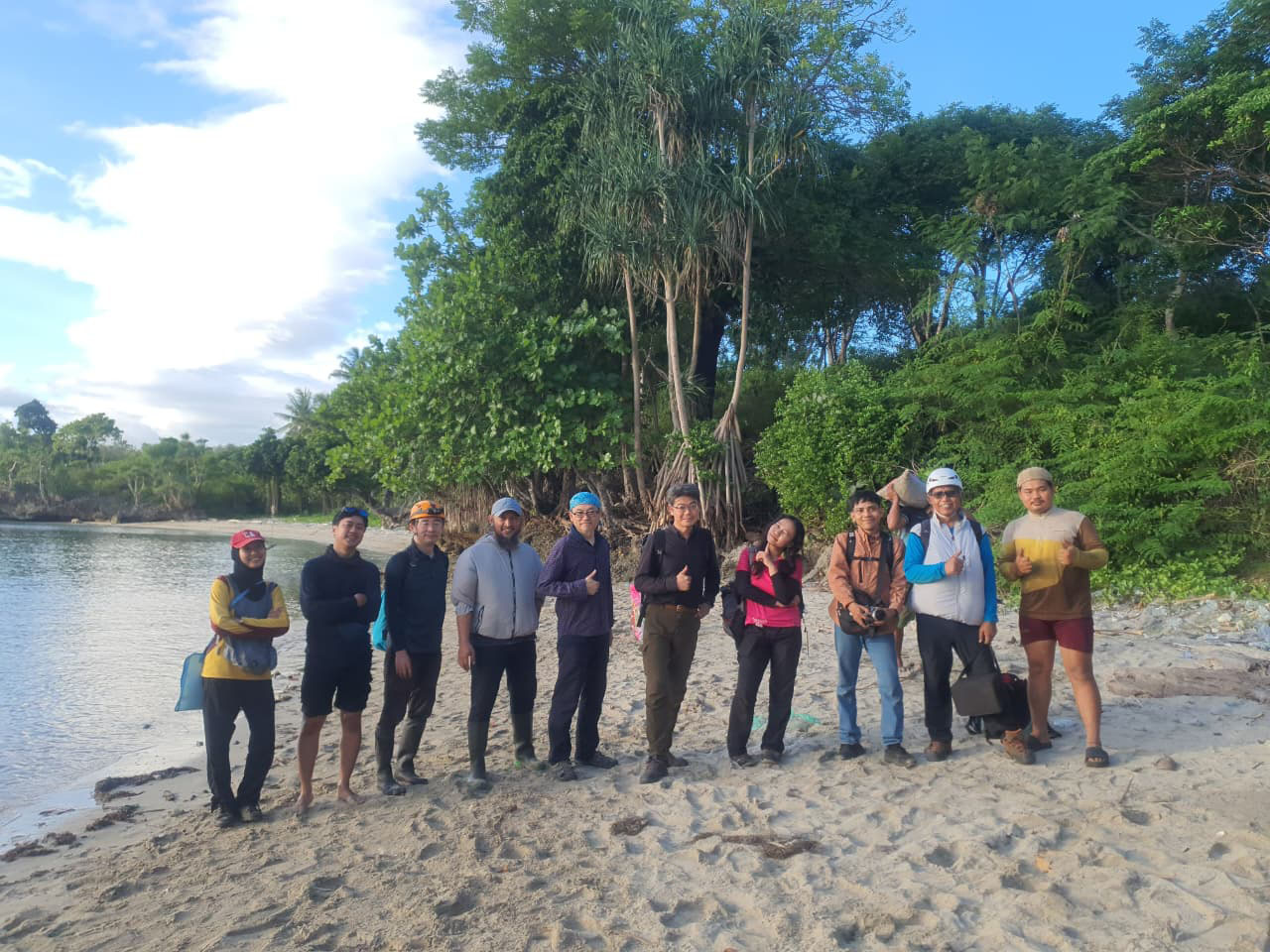
From 8 to 30 June 2026, the UNHAS Archaeology team is collaborating with world-renowned research institutions: the National Museum of Ethnology in Japan, and the Centre for Research on Environmental, Maritime and Sustainable Cultural Archaeology – BRIN (National Research and Innovation Agency). This collaborative expedition is entitled “Prehistoric Human Migration: Maritime Networks and Resource Use in Sulawesi and Eastern Indonesia”.
Exploring the Mysteries of the Prehistoric Caves of Selayar
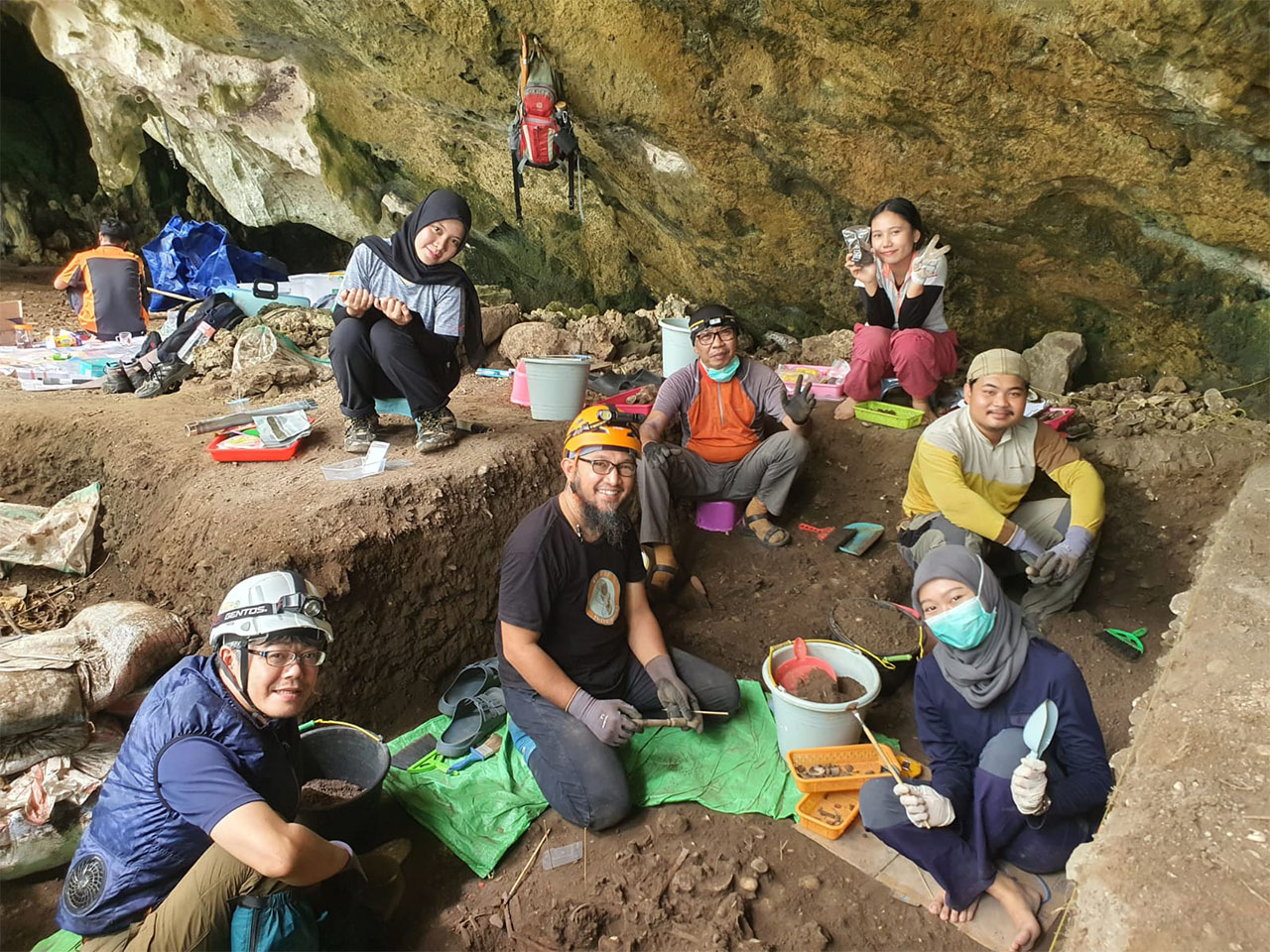
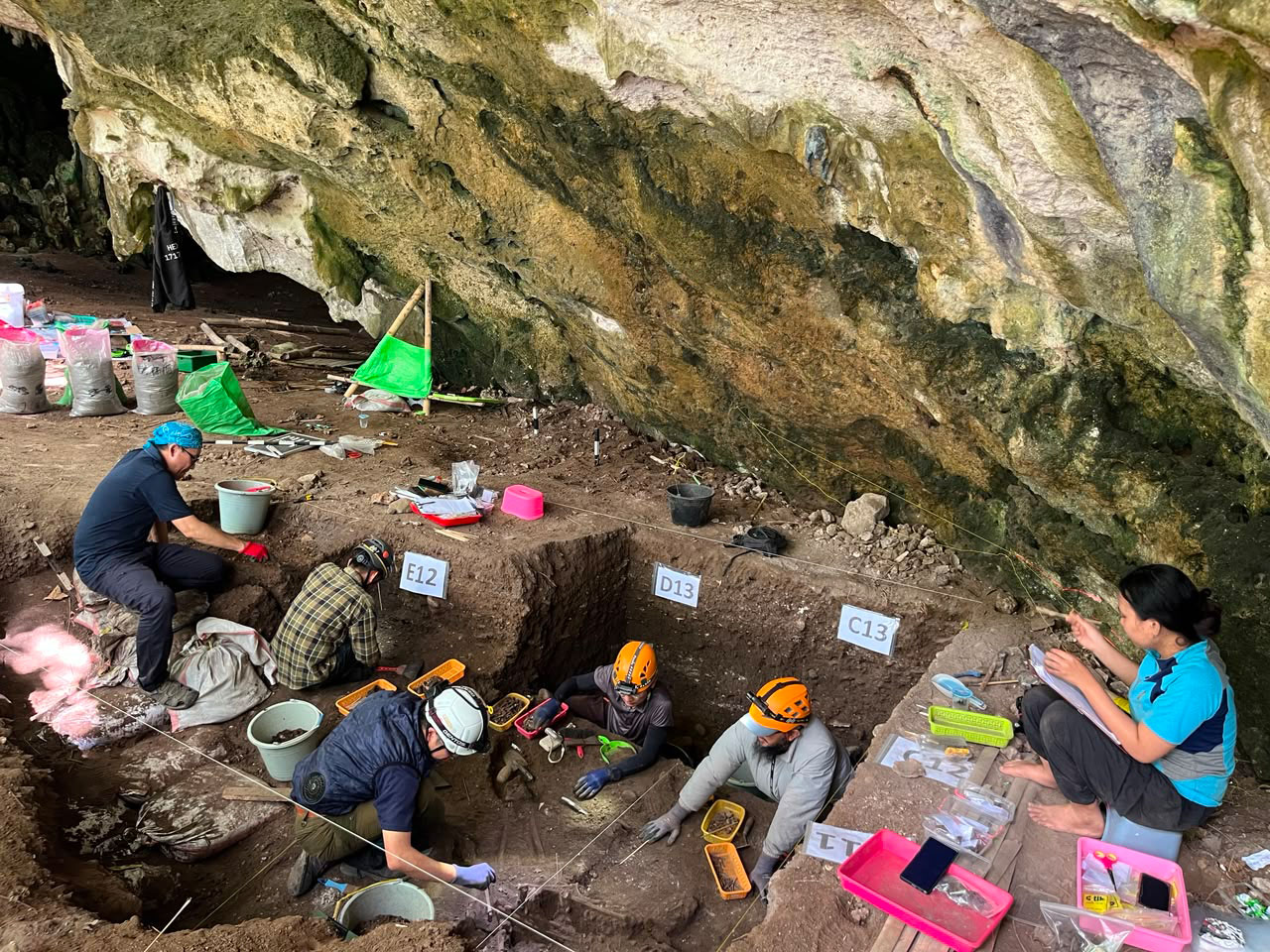
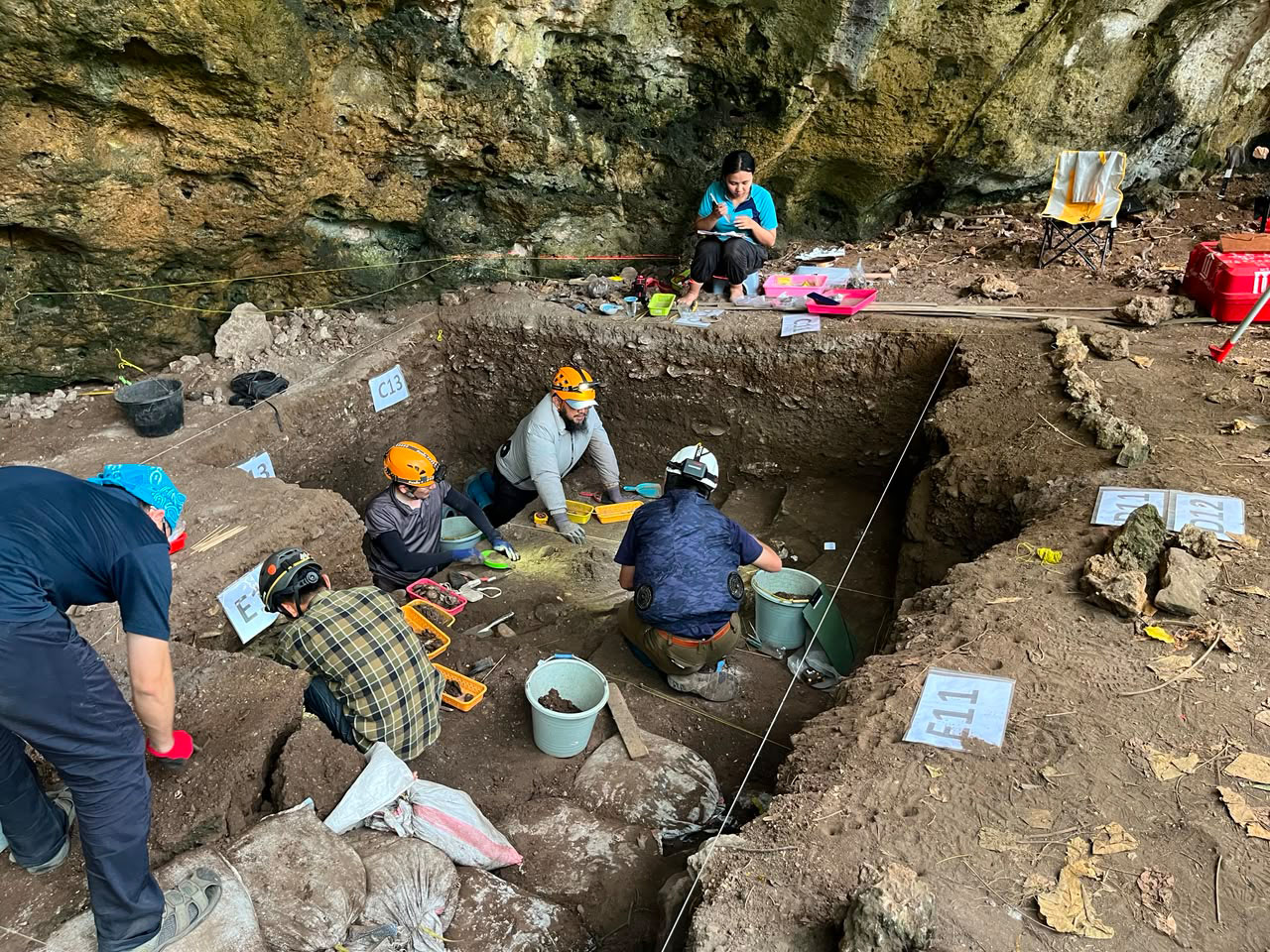
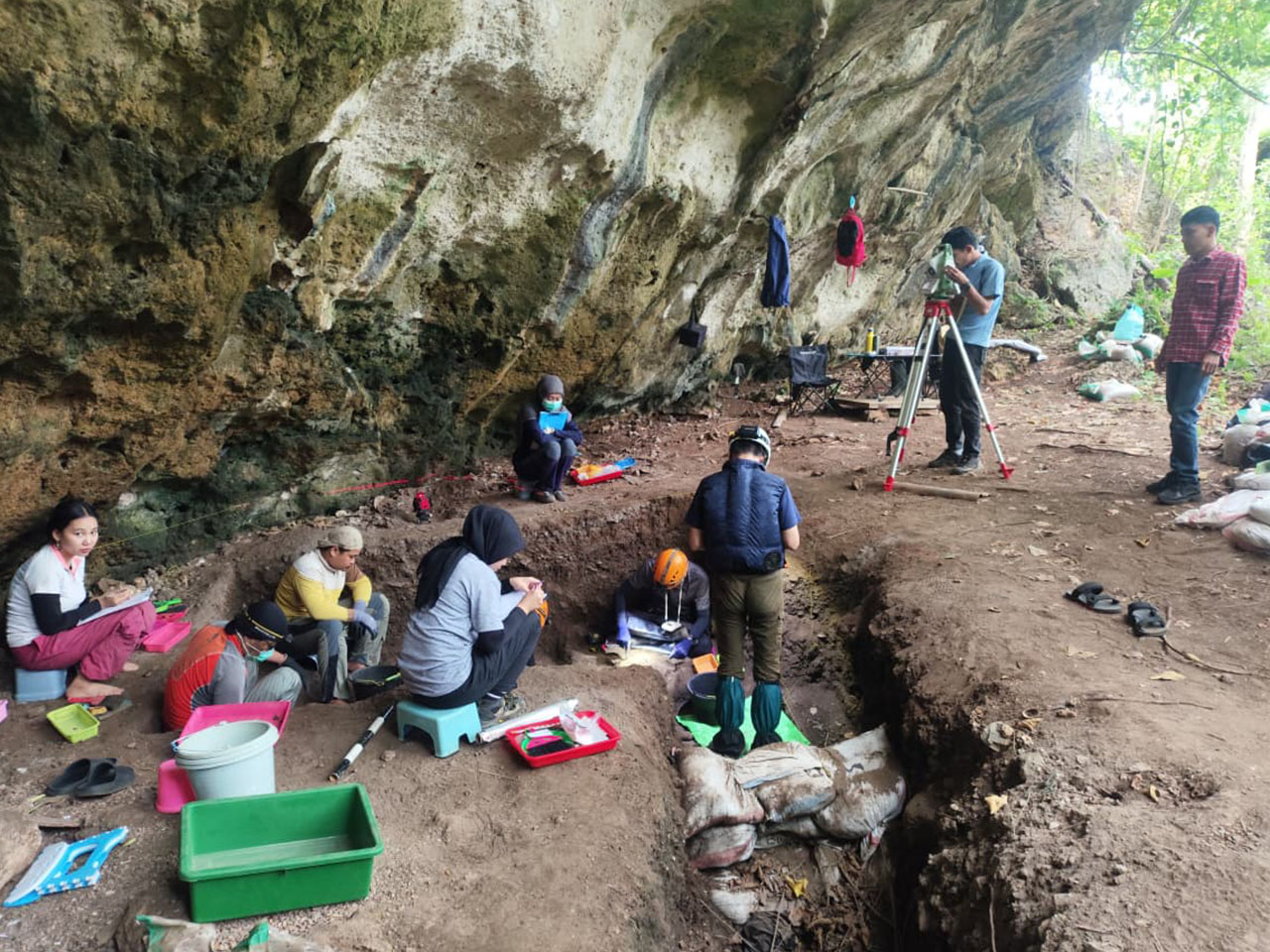
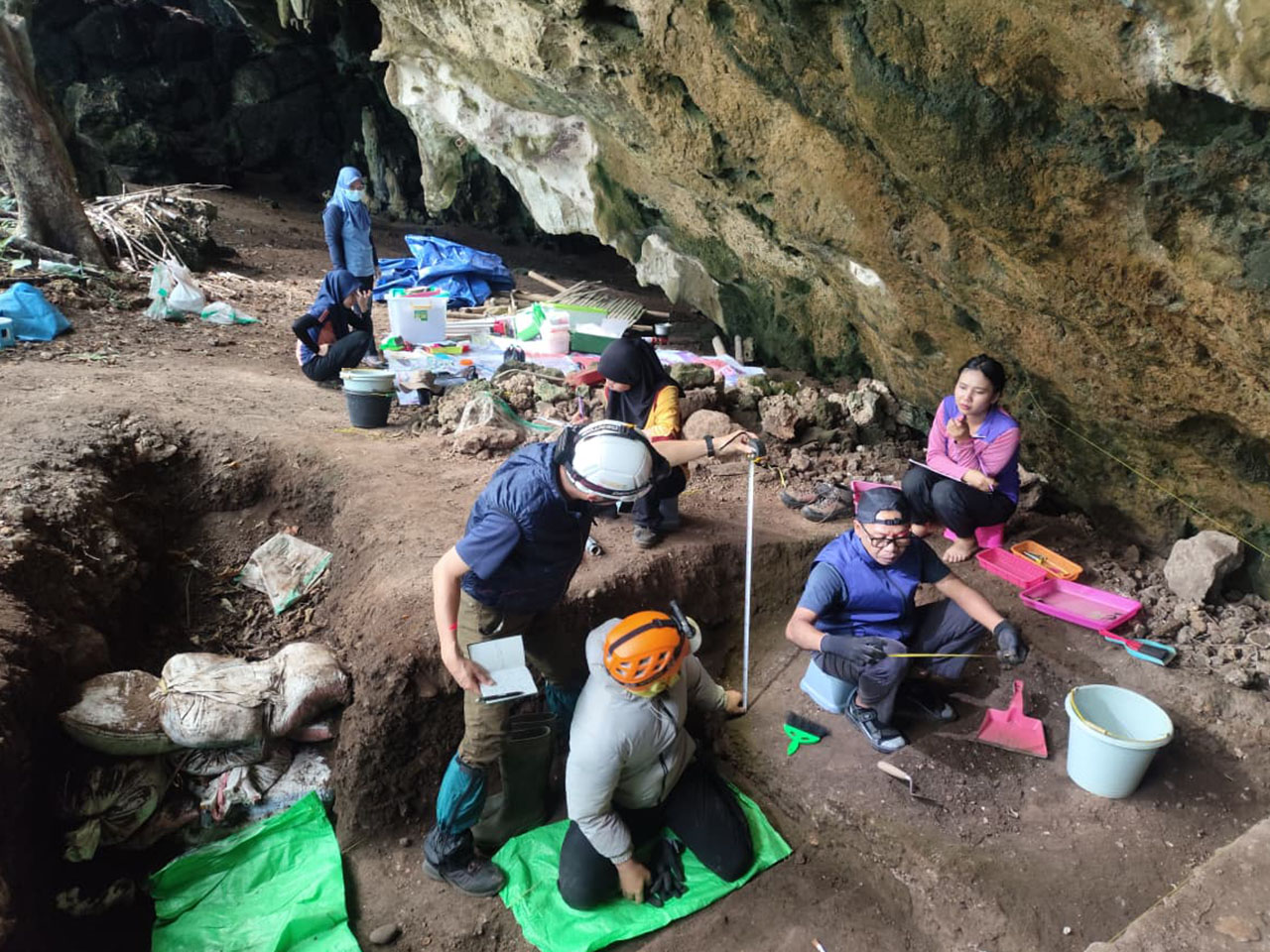
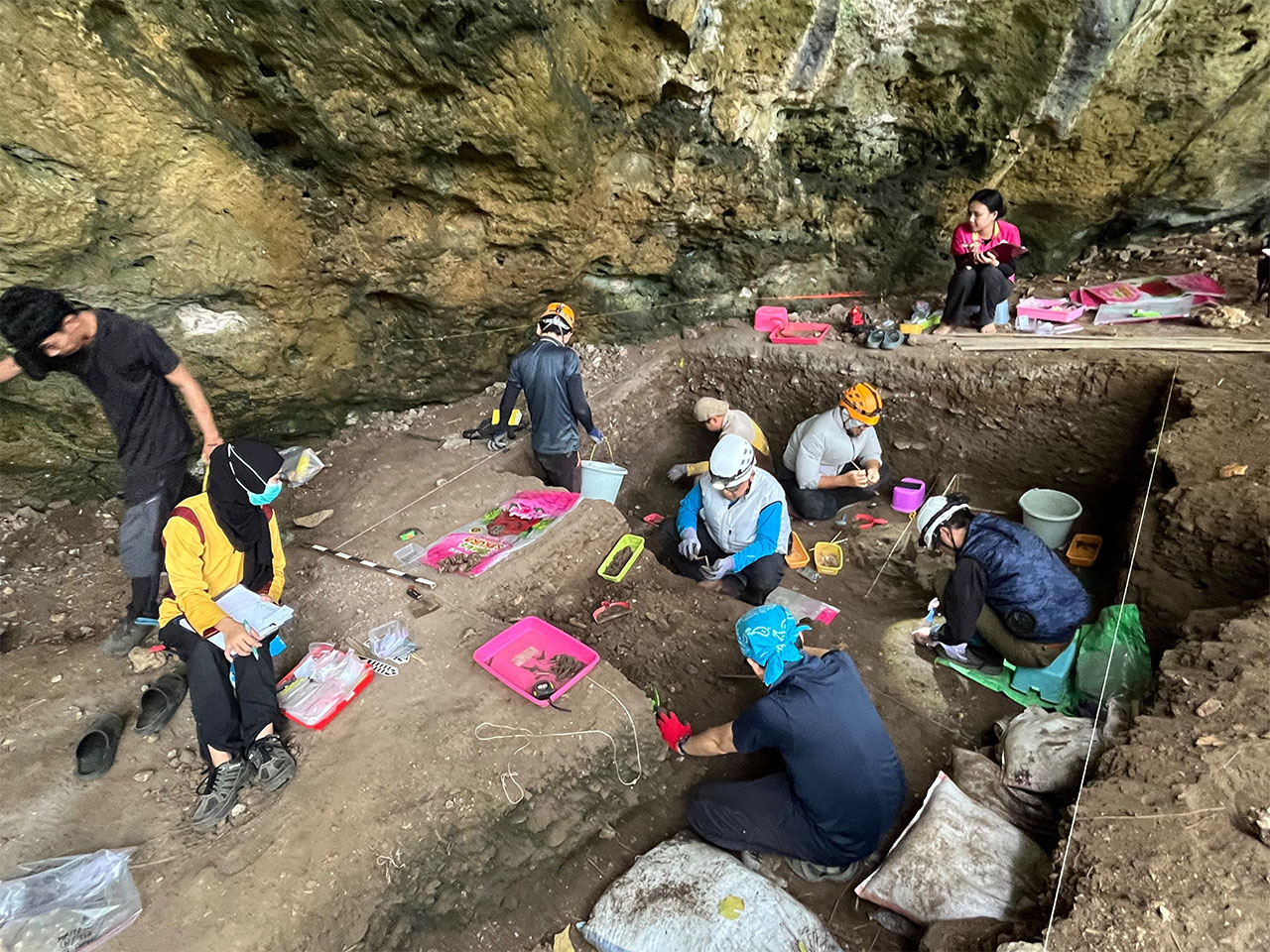
The main focus of this field research is a strategically located cave site in Selayar Islands Regency, South Sulawesi. Selayar, with its unique geographical position dating back to ancient times, holds a wealth of archaeological data relating to ancient maritime routes, the remains of cave dwellings, and evidence of prehistoric humans’ adaptation to the maritime environment.
Led by UNHAS archaeology expert Dr Supriadi, M.A., the team carried out excavations and in-depth analysis to identify how past maritime networks were formed and how natural resources were utilised by early seafarers in the Indonesian archipelago.
First-hand Global Experience for Young Researchers
One of the most important aspects of this project is the commitment to reposition students as producers of knowledge, rather than merely passive participants in the classroom. Through an official academic assignment from the Faculty of Cultural Sciences at UNHAS, six young researchers (Archaeology students) were deployed directly to the front line of the excavation:
- Salsa Bhila Yulianto
- Andi Saskia Aulya
- Alif Jaya
- Sufiyan
- Nur Ulfiah Yusri
- Bagus Dwi Putra
Under the direct supervision of senior archaeologists from Indonesia and Japan, these students are learning modern excavation techniques, the handling of sensitive artefacts, and archaeometric analysis to international standards.
Contributions to Global Knowledge
This collaborative research is not merely intended to fill the university’s documentation records, but to generate new scientific data for publication in globally renowned archaeological journals.
By understanding past migration patterns and maritime networks, the Archaeology Department at UNHAS, together with its international partners, is piecing together key fragments of history regarding the origins of maritime civilisations in South-East Asia.