Dissecting Identity Through Japanese Literature, FIB Unhas Hosts 'Animal Studies' Public Lecture with International Expert
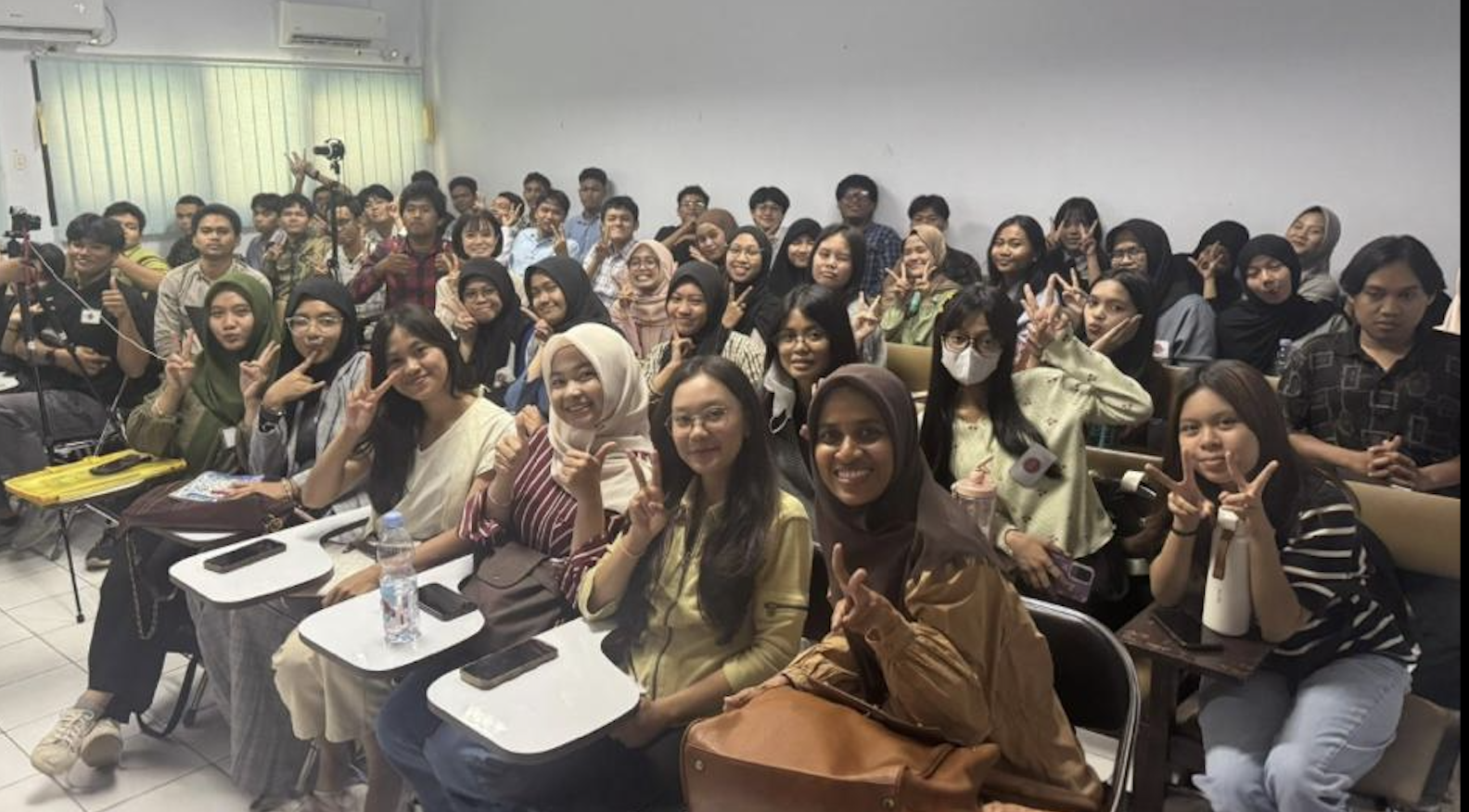
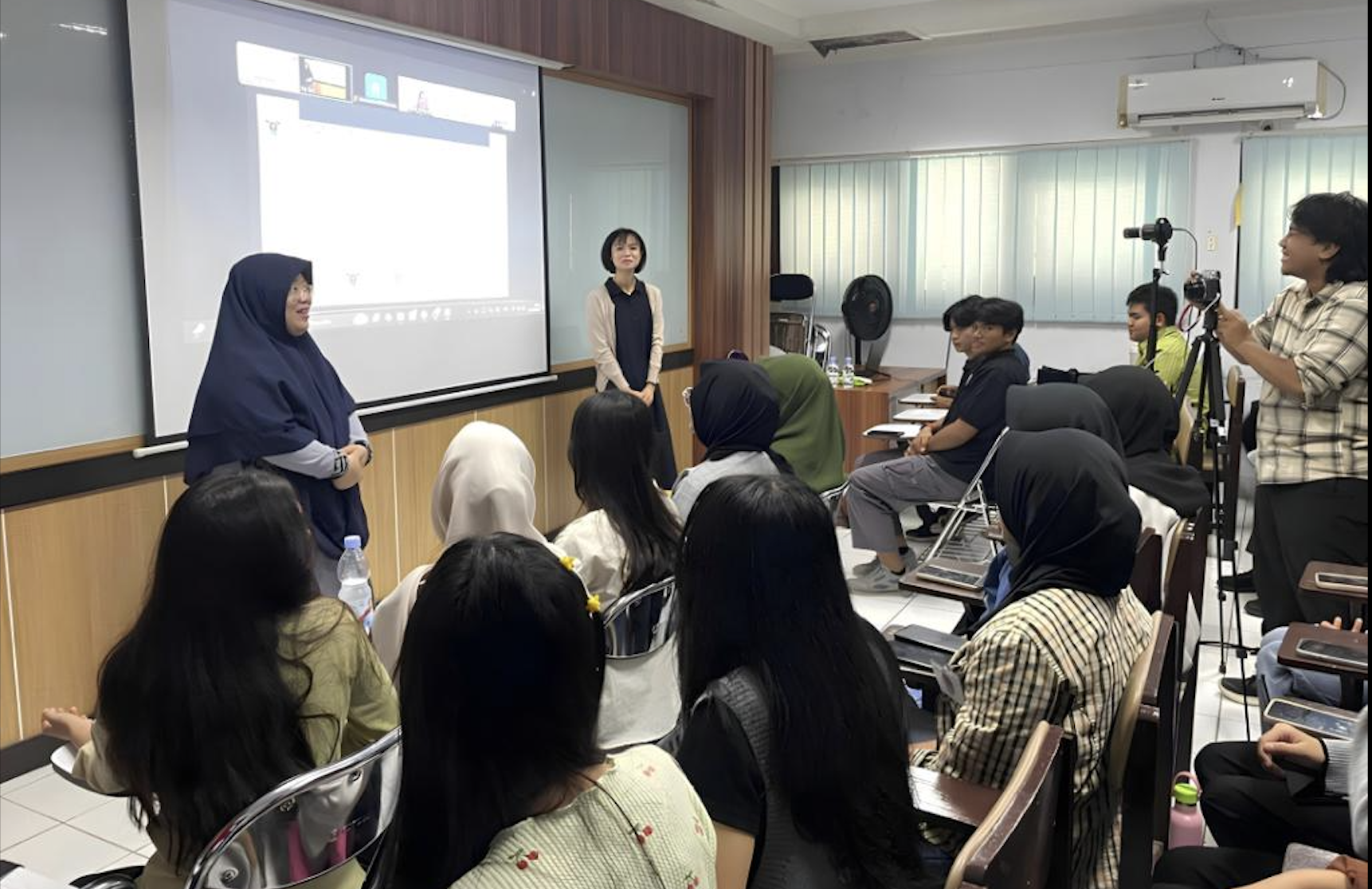
MAKASSAR — The Department of Japanese Literature, Faculty of Cultural Sciences (FIB), successfully held a public lecture titled Animal Studies in Japanese Literature on Tuesday (11/11). The academic event, conducted in a hybrid format from classroom FIB 317, collaborated with Eguchi Maki, Ph.D., a modern literature expert from the University of Tsukuba, Japan. The event drew significant attention from cross-institutional academics, engaging several partner universities as both participants and collaborators, including Universitas Andalas (Unand), Institut Prima Bangsa (IPB), Universitas Komputer Indonesia (Unikom), and Universitas Bung Hatta.
Dissecting Human Identity Through Animals
The public lecture featured keynote speaker Eguchi Maki, Ph.D., an Associate Professor from the Institute of Humanities and Social Sciences, University of Tsukuba. In her presentation, Eguchi dissected how the portrayal of animals or non-human entities in modern Japanese literature is not merely a decorative narrative object. Instead, it serves as a profound reflection of cultural identity shifts and social critiques within Japanese society.
A lecturer in Japanese literature at FIB Unhas, Fithyani Anwar, S.S., M.A., Ph.D., emphasized the critical role of this interdisciplinary approach for the academic climate within the study program. According to her, contemporary perspectives like animal studies provide an avenue for students to think more critically.
"Animal Studies opens up a vast new spectrum for our students to dissect Japanese literary texts. It is not just about reading a story, but about understanding how the Japanese people's perspective toward nature and their human identity transforms through animal metaphors," Fithyani Anwar stated during the event.
Student Enthusiasm Opens New Research Opportunities
The interactive discussion format sparked positive responses from dozens of participants attending in person in Makassar as well as online via Zoom Meeting. This eco-critical and post-humanist approach to literature was considered refreshing for student research methodologies.
One of the Japanese Literature students from Unhas who attended the event, Hira Nadia Putri Zahira, expressed her enthusiasm for the topic. She noted that the presence of an international expert provided a research angle that has not been widely explored locally.
"This public lecture was truly eye-opening. Usually, thesis research in our department only revolves around the intrinsic elements of human characters. Through today's material, I became very interested in exploring the symbolic representation of animals in classical and modern Japanese novels for my final project later," said the student from the class of 2025.
Through this international synergy and the involvement of numerous national campuses, the Department of Japanese Literature at Unhas hopes this guest lecture can spark massive humanities research collaborations that remain highly relevant to global issues in the future.