
Implementing Project-Based Learning, Unhas Vocational Students Practice Poultry and Ruminant Feed Formulation
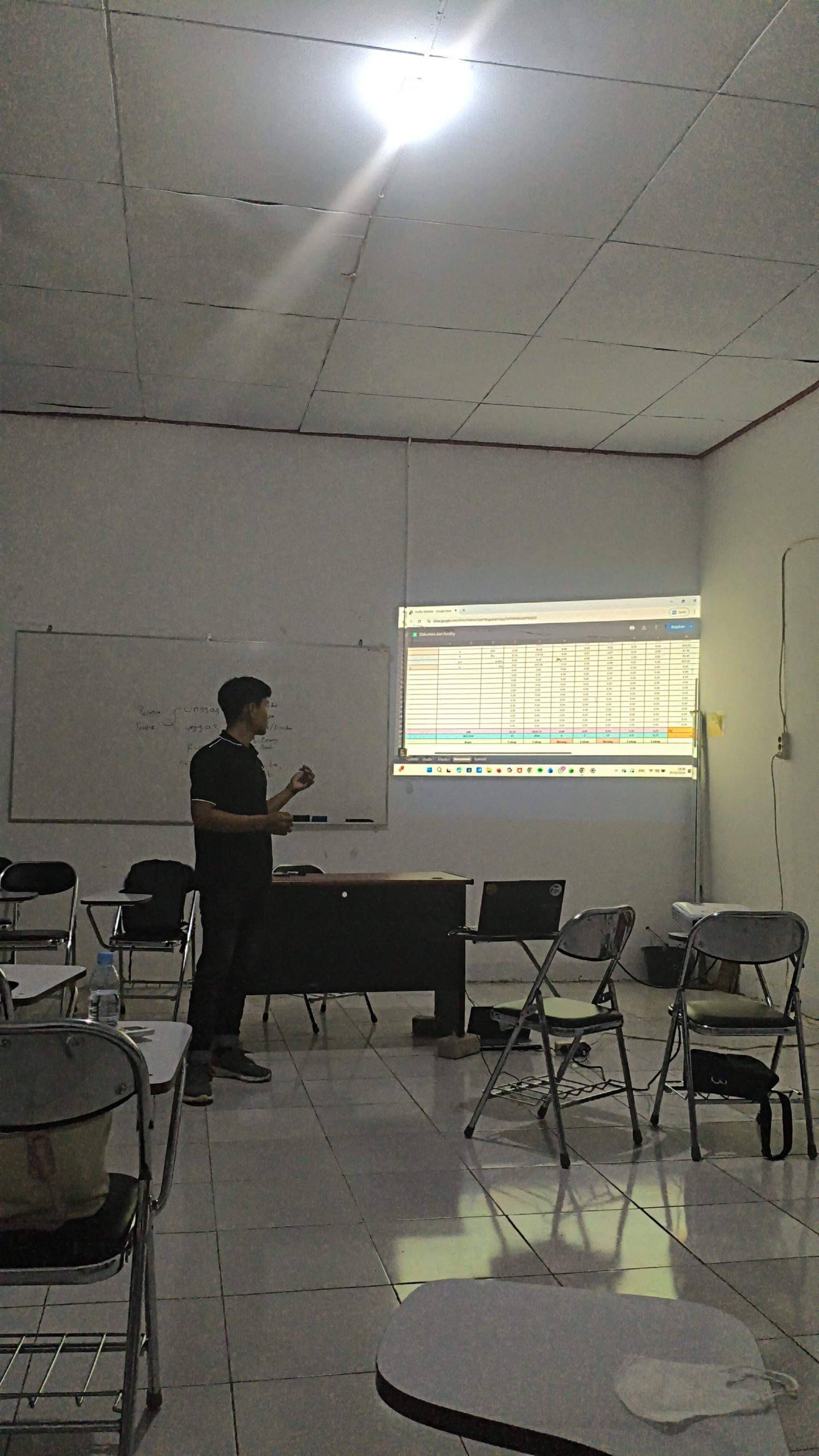
Students in the Animal Production Technology Study Program, Faculty of Vocational Studies, Hasanuddin University, conducted a Feed Formulation Practicum as part of their Project-Based Learning (PBL)-based applied learning program. This practicum was designed to equip students with the ability to independently formulate livestock rations based on their nutritional needs and growth phases.
In this practicum, students were tasked with formulating rations for non-ruminant and ruminant livestock. For the non-ruminant livestock group, the feed formulation focused on poultry, namely Poultry 1 (broiler) and Poultry 2 (layer). Meanwhile, students were also introduced to the principles of ration formulation for ruminant livestock, strengthening their understanding of the differences in digestive systems and nutritional requirements between livestock groups.
For broiler poultry, students formulated rations according to the starter and finisher phases, while for laying poultry, the formulations were structured according to the starter, grower, and layer phases (production phase). Each formulation is tailored to the specific nutritional needs of each phase, including metabolizable energy, crude protein, essential amino acids, and minerals and vitamins, which play a vital role in supporting livestock growth and productivity.
Through a Project-Based Learning approach, students work independently or in groups to design feed formulations based on real-world problems. Students are required to identify livestock nutritional needs, select locally available feed ingredients, consider feed ingredient usage limitations, and calculate a balanced and economical ration composition.
During the practicum, students utilize data on feed ingredient composition and nutrient content sourced from standard literature and other supporting references. Furthermore, students are trained to understand the differences in ration formulation principles for non-ruminant livestock, which emphasize energy and protein balance, and ruminant livestock, which prioritize a balance of fiber, energy, and protein to support rumen fermentation.
The practicum coordinator, Anggun Permata Sari, S.Pt., M.Pt., explained that this feed formulation practicum aims to strengthen students' competencies in the field of comprehensive livestock nutrition.
"Through this practicum, students not only learn to calculate feed formulations but also understand the differences in nutritional requirements between ruminant and non-ruminant livestock. The Project-Based Learning approach trains students to think critically, solve problems, and develop applicable rations according to field conditions," he explained.
In addition to formulating, students also evaluate the rations they have prepared, including ensuring their nutrient content meets livestock requirements, ensuring nutritional balance, and ensuring feed cost efficiency. This evaluation process trains students to analyze and account for their formulation results scientifically.
Through this Feed Formulation Practicum, the Faculty of Vocational Studies at Hasanuddin University (Unhas) affirms its commitment to providing vocational education that is oriented towards practice and industry needs. This activity is expected to improve students' readiness for the world of work, whether in the feed industry, commercial livestock farming, or as livestock nutrition consultants and assistants.