Strengthening Global Partnerships: Unhas FISIP Lecturer Presents Cutting-Edge Research at UiTM Malaysia’s International Colloquium
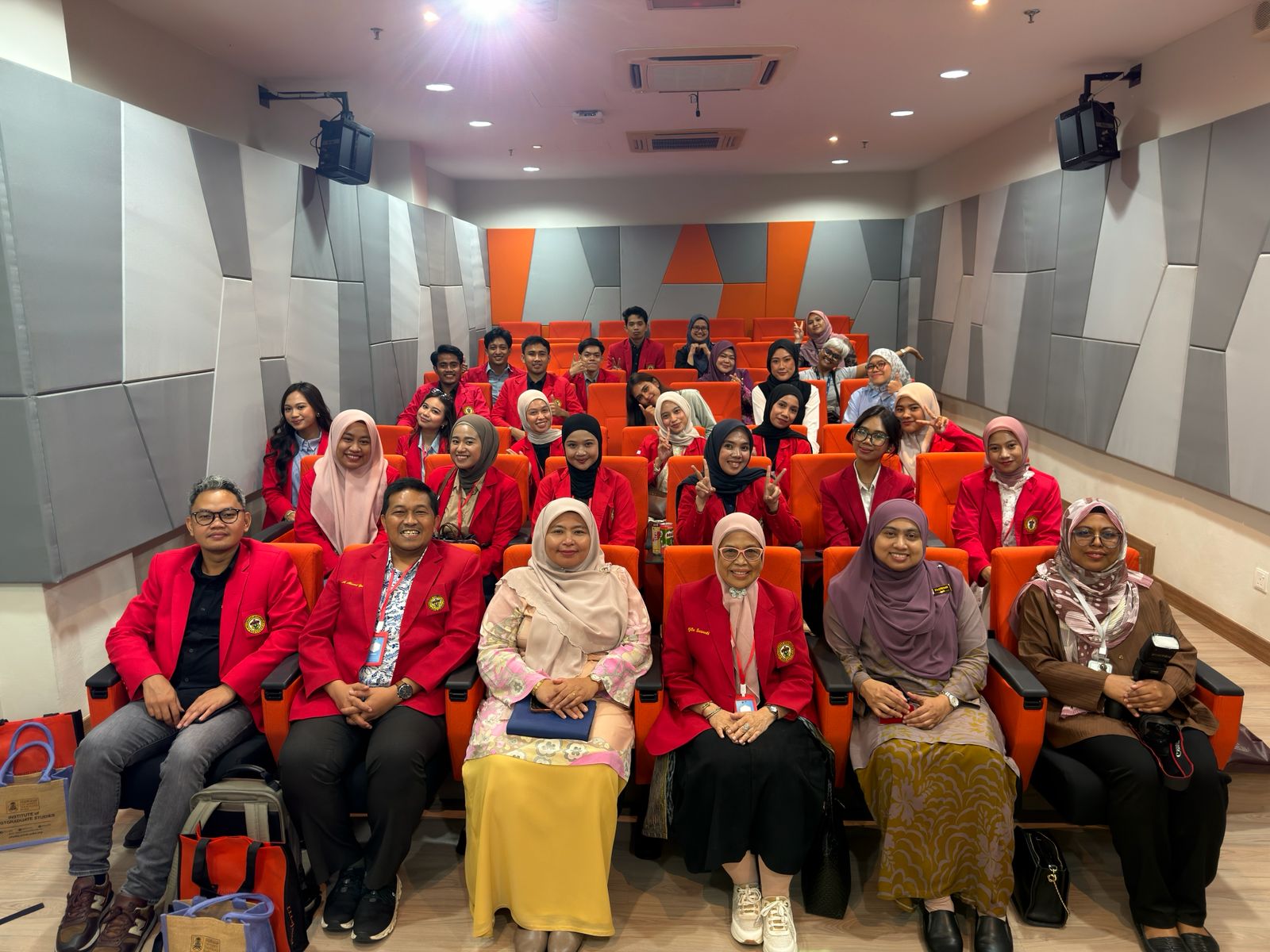
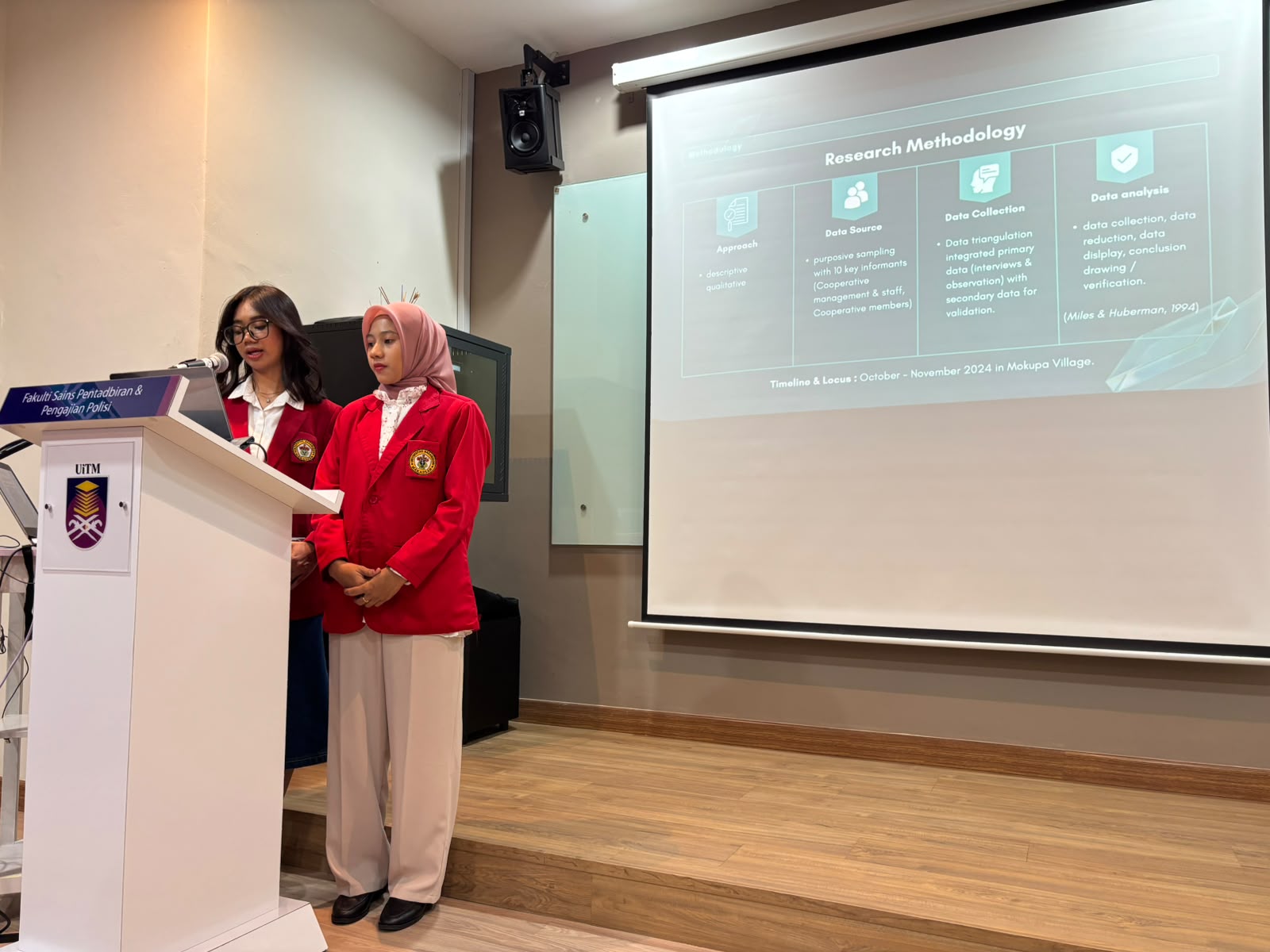
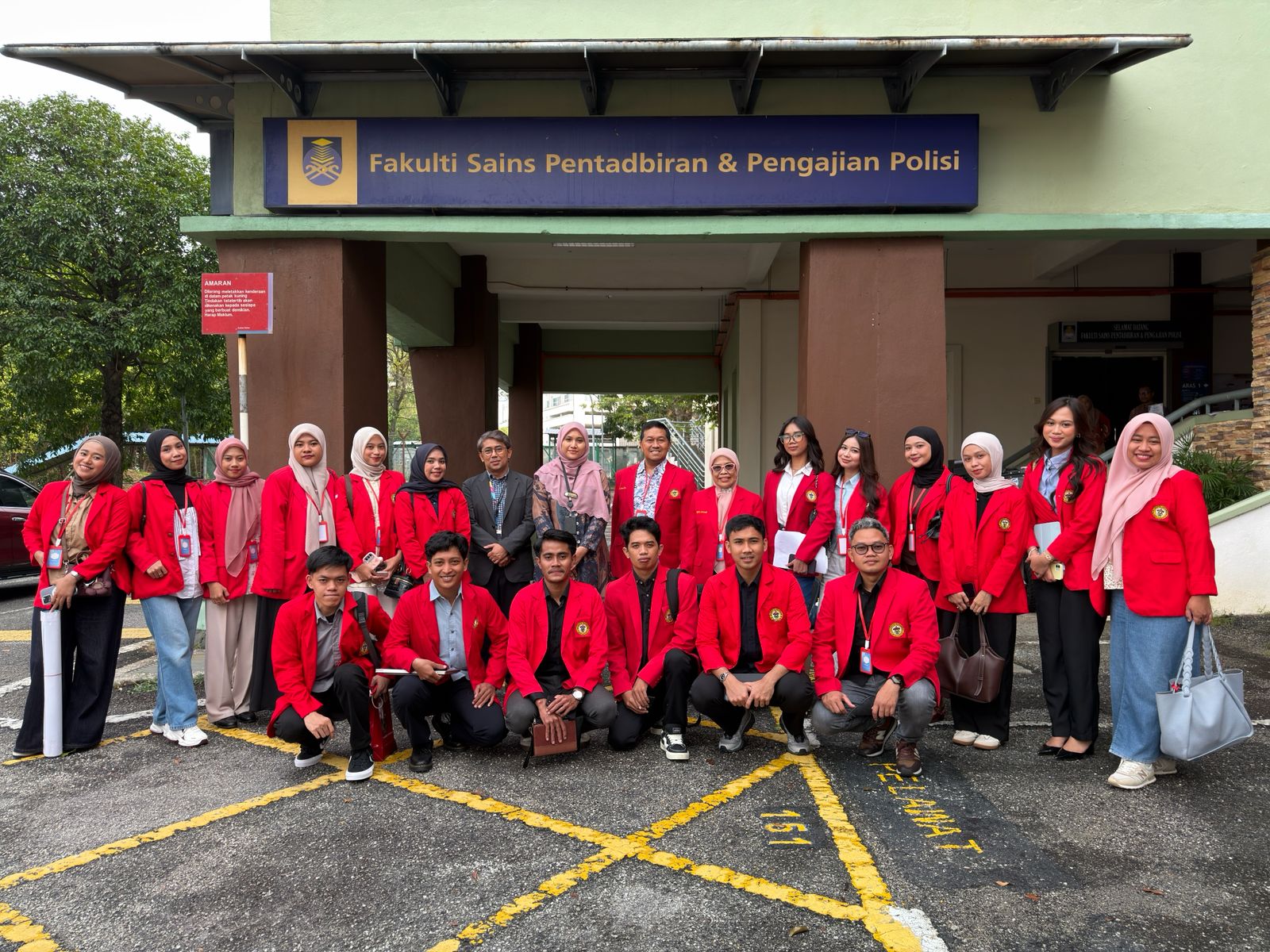
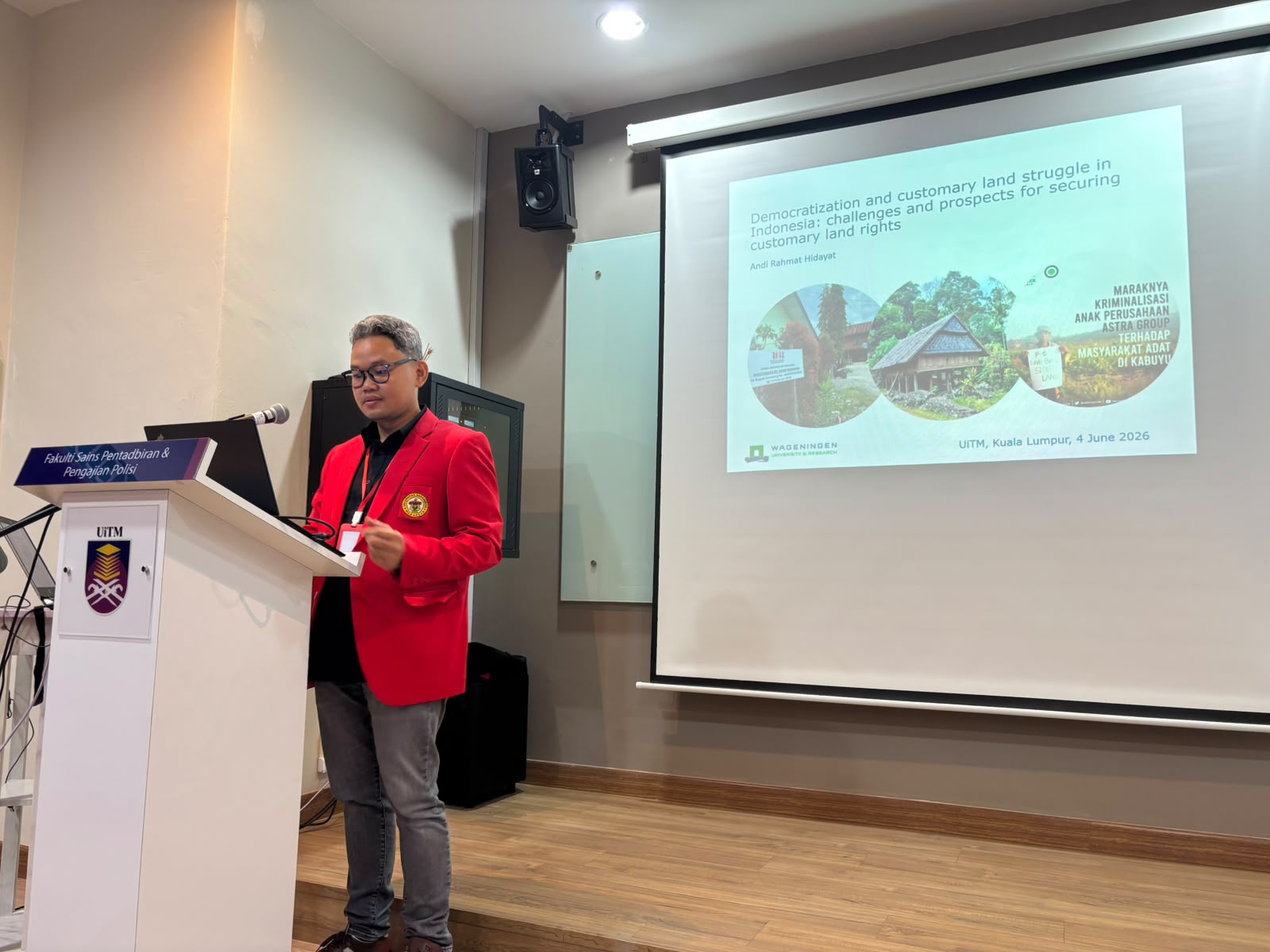
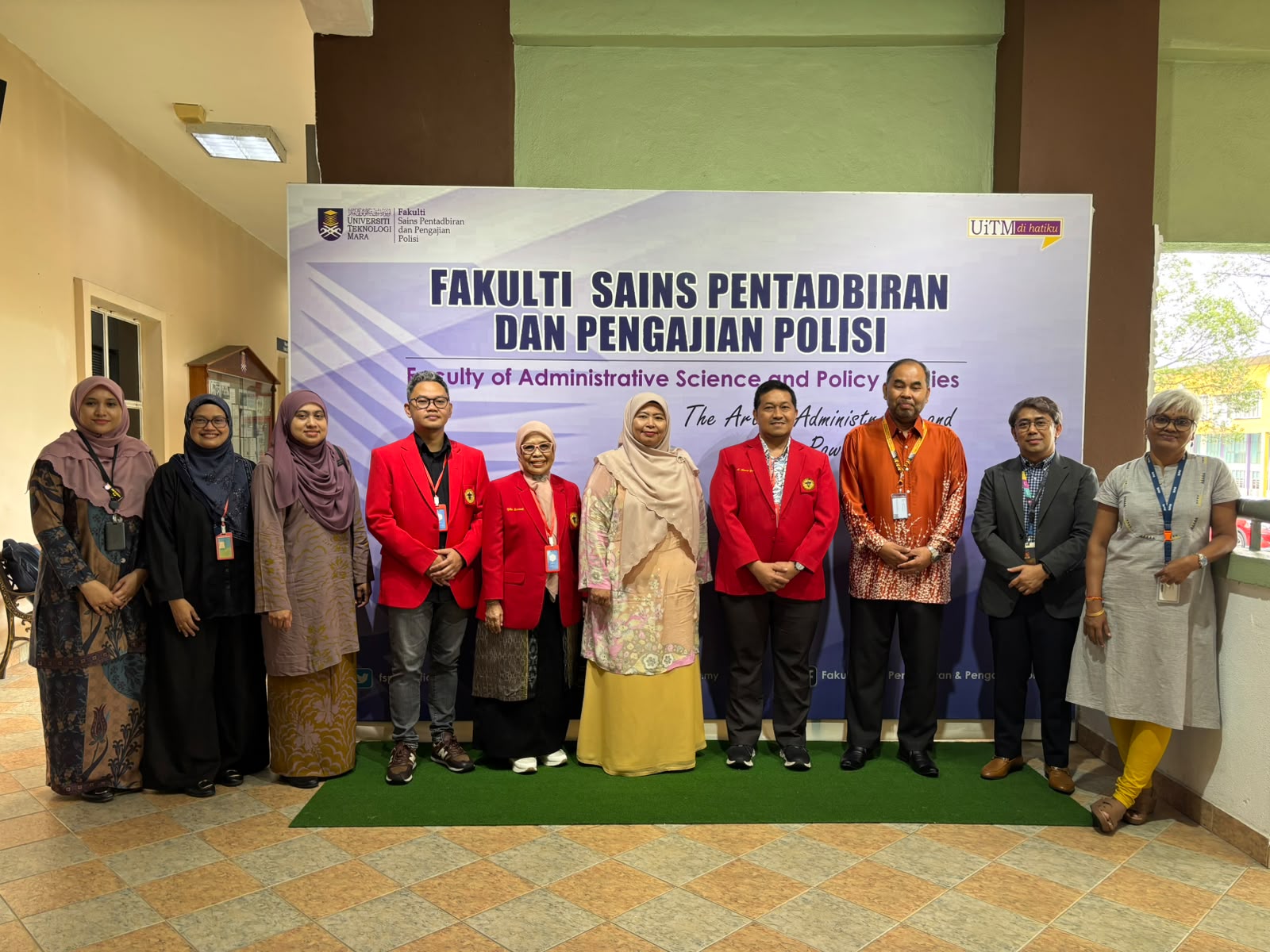
SHAH ALAM, MALAYSIA* – A delegation of academics from Hasanuddin University has once again made its mark on the international stage through its active participation in the International Colloquium on Policy and Governance. At the forum, organised by the Faculty of Administrative Science and Policy Studies (FSPP), Universiti Teknologi MARA (UiTM) at the Shah Alam Campus, Malaysia, on Thursday (4 June 2026), Andi Rahmat Hidayat, M.Si., Ph.D. (Cand.) was present as one of the keynote speakers. He is a lecturer in the Department of Administrative Science at the Faculty of Social and Political Sciences (FISIP), University of Hasanuddin (Unhas), who is currently pursuing his doctoral studies at the Department of Public Administration, Wageningen University & Research (WUR) in the Netherlands. This academic forum was conducted in an interactive manner and was enthusiastically attended by lecturers and students from FSPP UiTM, as well as a group of Master of Public Administration (MAP) students from FISIP Unhas. During the academic presentation session, Andi Rahmat Hidayat delivered an in-depth study titled “Democratisation and Customary Land Struggles in Indonesia: Challenges and Prospects for Securing Customary Land Rights”, which examined the complex dynamics underlying the recognition of indigenous peoples’ land rights in Indonesia following the Reform Era. He explained that although Indonesia has transitioned towards democracy and decentralisation since the 1998 Reform and has been bolstered by Constitutional Court (MK) Ruling No. 35/2012, the practical realisation of customary land rights on the ground remains severely limited. According to BRWA data from 2024, only around 13.8 per cent, or 240 out of 1,425 traditional indigenous communities, have been formally recognised, whilst the allocation of customary forests that has been realised remains a small fraction of the total potential available. To examine the root causes of this issue, this study employs an analytical framework that identifies barriers such as legal fragmentation, clientelistic informal institutions, and the dominance of predatory old elites, which are then contrasted with enabling factors such as collective community action and reform-oriented leadership. Comparative case studies were conducted in three regions on the island of Sulawesi—Enrekang Regency, Sinjai Regency, and Pasangkayu Regency—revealing variations in outcomes at the local level. The research found that the community in Enrekang was deemed successful in achieving full recognition and Sinjai was partially successful, whilst Pasangkayu was deemed unsuccessful due to the strong barriers of legal fragmentation, intervention by the extractive industry, and the absence of reform-oriented leadership. From these findings, it was concluded that indigenous communities capable of building close informal relationships with influential politicians—and not facing alliances of interest between state elites and business—have a far greater chance of navigating the complexities of procedures to obtain formal legal recognition. The presentation, rich in empirical data, concluded with a lively interactive discussion session with the audience. The academic atmosphere became even more vibrant as the discussion evolved into a comparative study, with the audience offering comparisons regarding customary land governance policies implemented in Malaysia, both in the peninsular region and in Sabah and Sarawak. It is hoped that this international colloquium will not only serve as a platform for disseminating cutting-edge research from both universities, but also strengthen ongoing strategic cooperation in terms of initiating collaborative research between lecturers and implementing student exchange programmes in the future.