Archaeological Excavation: Strengthening the Field Competence of Archaeology Students at the Faculty of Humanities, Hasanuddin University, at the Maros Prehistoric Site
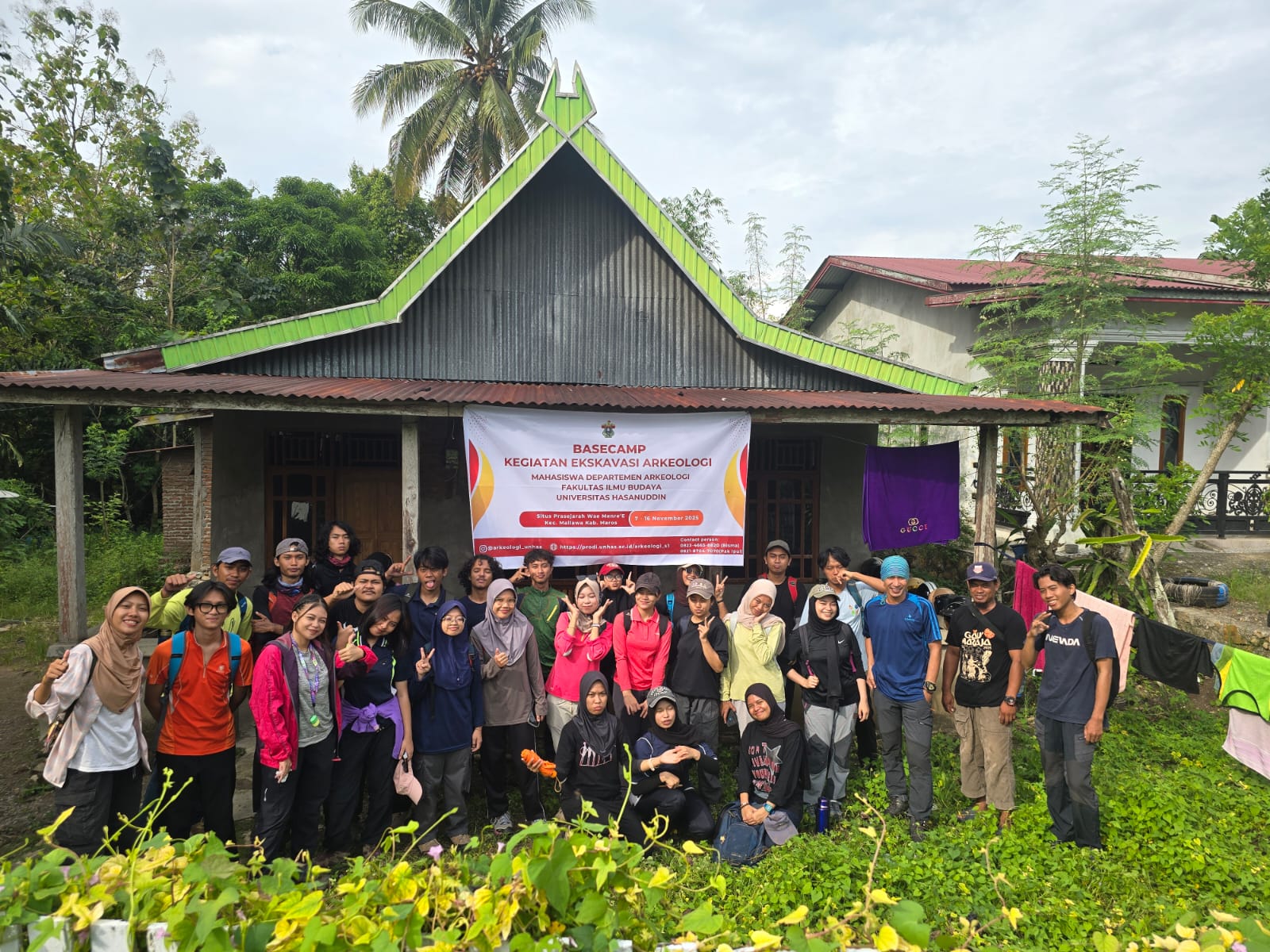
Maros, November 7–15, 2025 — A total of 76 students from the 2024 cohort of the Department of Archaeology, Faculty of Cultural Sciences, Hasanuddin University, participated in an archaeological excavation as part of the Compulsory Excavation Practicum course. This activity took place over nine days at two important sites in Maros Regency, namely the Wae Menre'E Site in Palacari Hamlet, Mattampapole Village, Mallawa District, and the Leang Sanropengo Site in Bontolempangan Village, Bontoa District.
Before going directly to the field, all participants had participated in excavation training activities held in October 2025. This training aimed to equip students with technical and methodological understanding of excavation, as well as introduce them to artifact documentation and analysis procedures. The training was facilitated by lecturers and researchers from the National Research and Innovation Agency (BRIN), so that students received direct guidance from experienced practitioners.
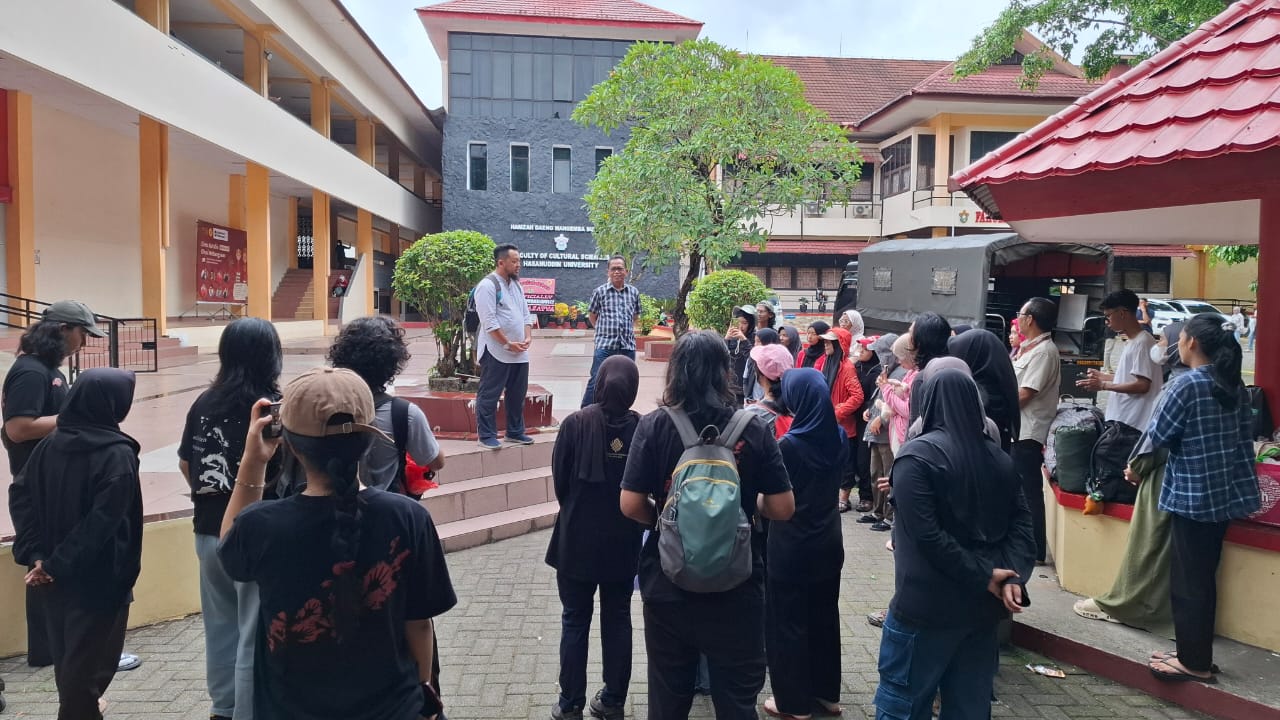
Before departing for the excavation site, the students were officially sent off by the Head of the Archaeology Department, who in his speech emphasized the importance of this activity as an integral part of the students' academic and professional competence development. He also reminded all participants to take part in the activity with full commitment, and to always pay attention to and apply academic procedures and cultural heritage preservation procedures while in the field.
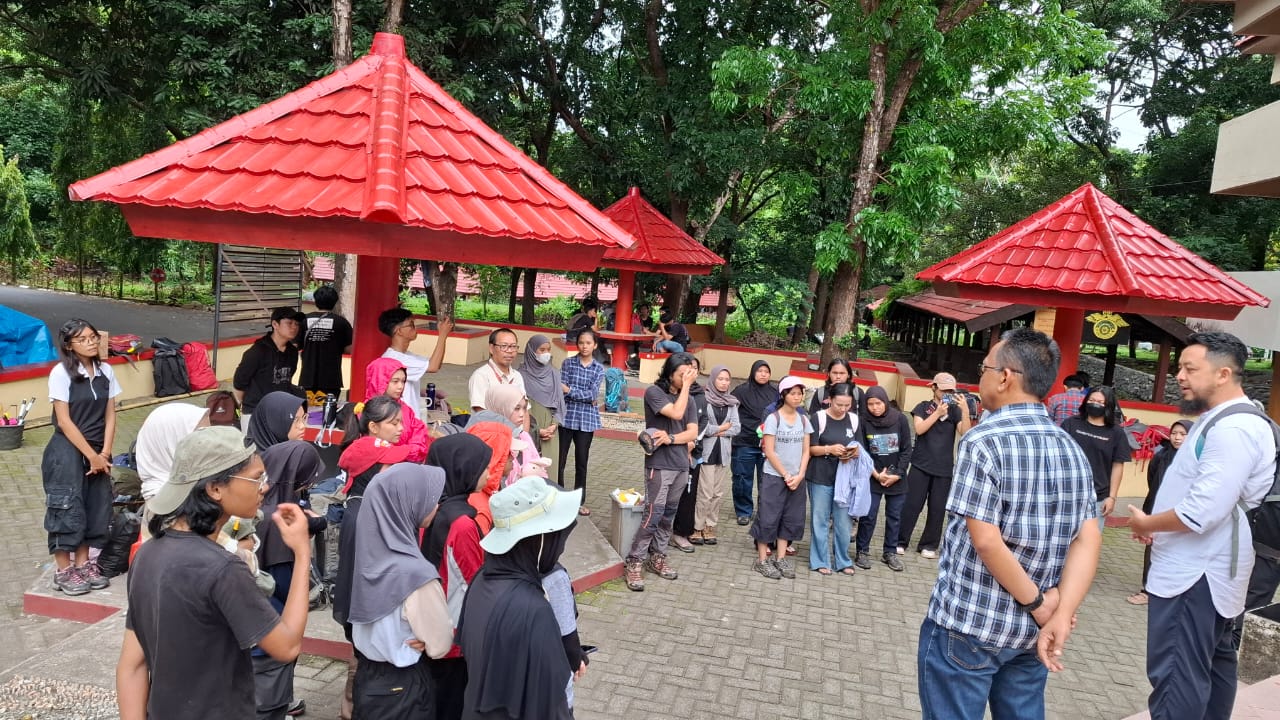
This excavation was accompanied by lecturers teaching the course, namely Dr. Muhammad Nur, Suryatman, S.S., M.Hum, and Andi Muhammad Syaiful, S.S., M.A, and involved collaboration with lecturers from BRIN: Dr. Hasanuddin and Zubair Masud, M.Hum from the Center for Prehistoric and Historical Archaeology Research, and Fakhri, M.Hum from the Center for Archaeometry Research. The facilitators will accompany the students from the excavation activities in the field to the artifact analysis process in the laboratory.
This activity is an important part of shaping the basic competencies of archaeology students, particularly in understanding excavation methods as a characteristic of archaeological research. In addition, the involvement of researchers from BRIN enriches students' experience in interacting with the latest research approaches and interdisciplinary approaches.
With a collaborative spirit and commitment to cultural heritage preservation, this excavation is expected to not only strengthen students' academic capacity, but also make a real contribution to the discovery and understanding of prehistoric sites in South Sulawesi.