Field Practicum on Archaeological Surveying and Data Recording in the Leang-leang Area
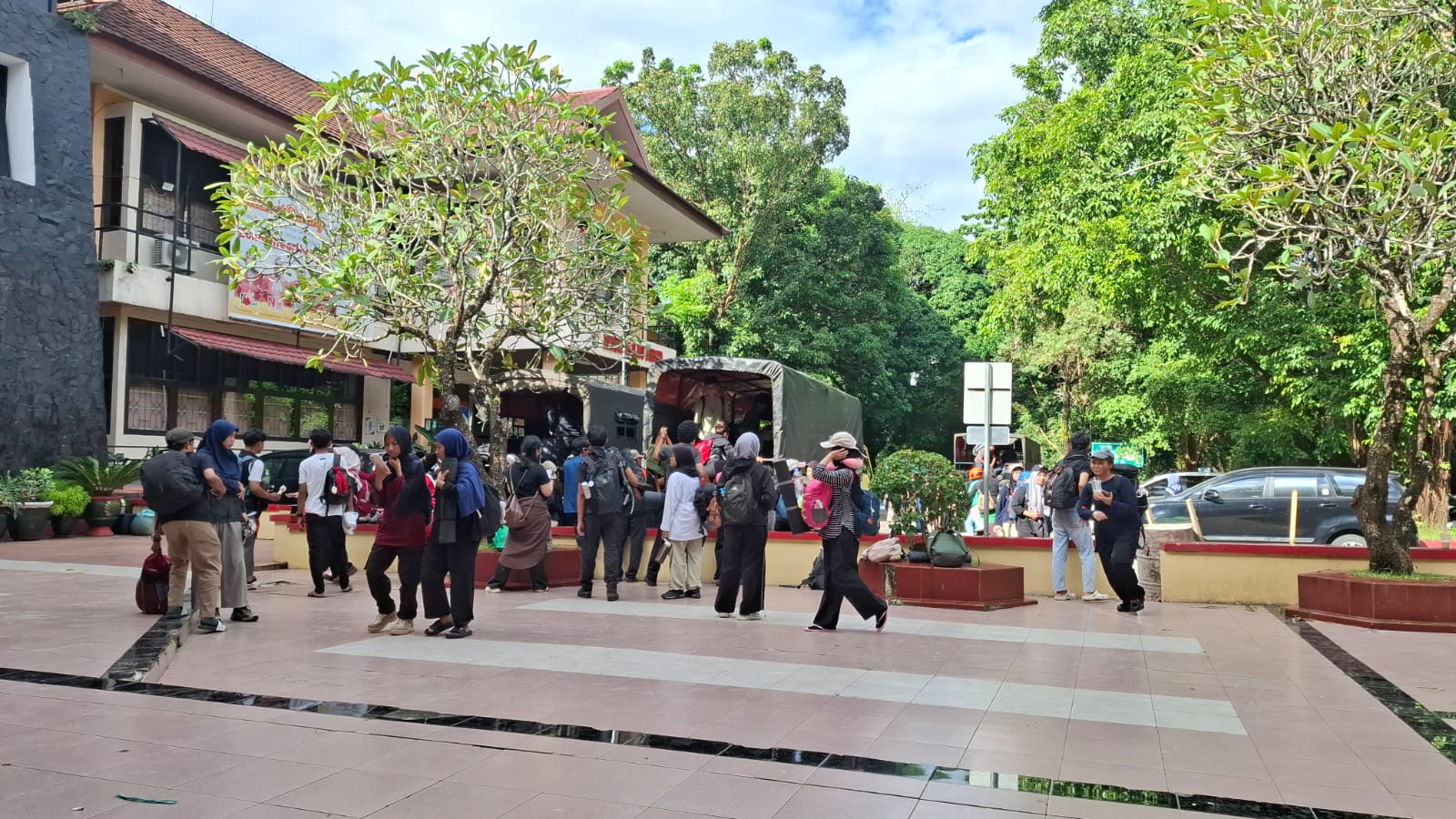
The Department of Archaeology, Faculty of Cultural Sciences, Hasanuddin University, conducted a field practical for the courses ‘Archaeological Survey and Data Recording’ and ‘Prehistoric Archaeology’ from 4 to 7 June 2026 at the Leang-leang Archaeological Park in Maros Regency. This area is one of the most important prehistoric cave sites in South Sulawesi.
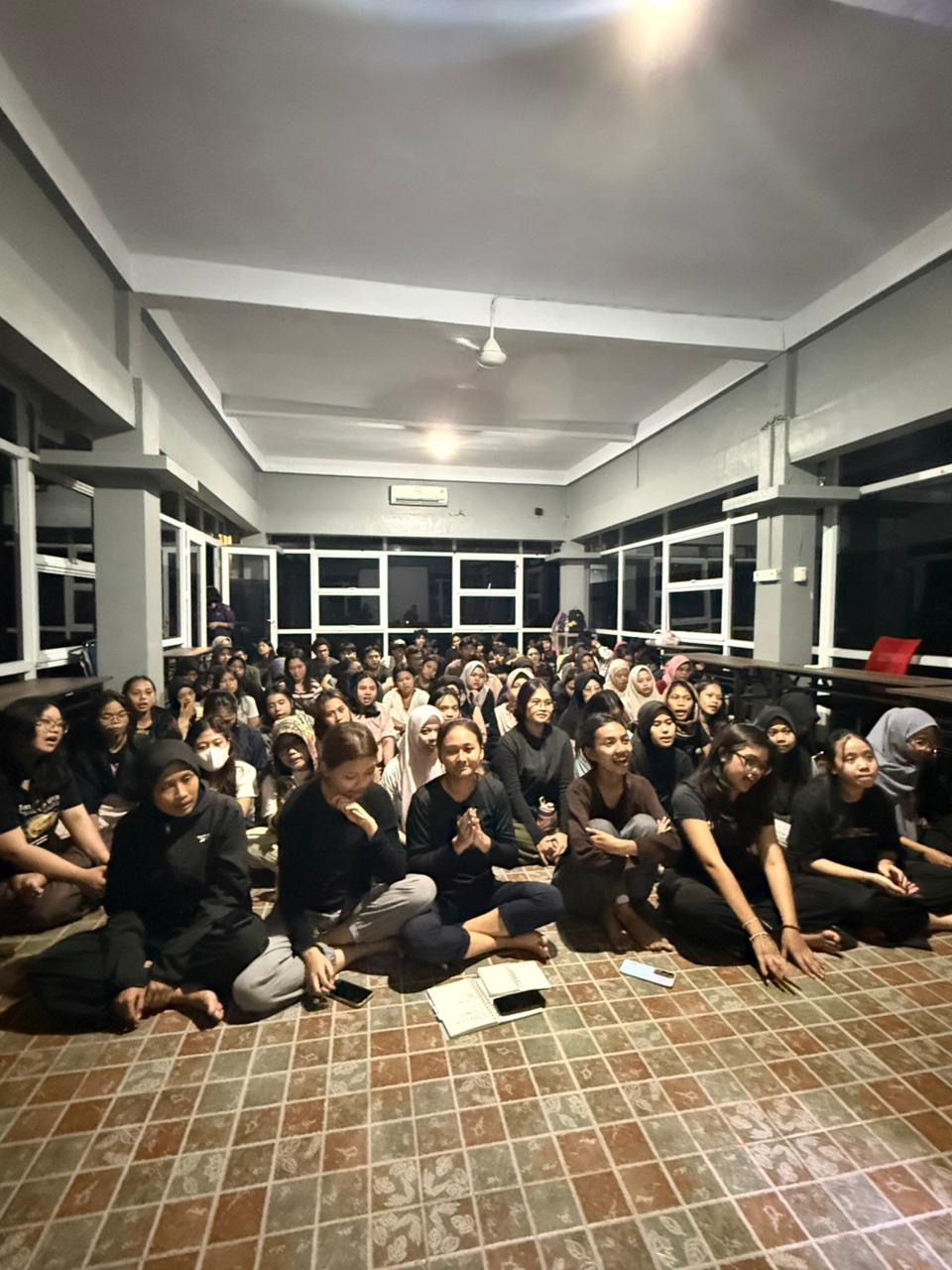
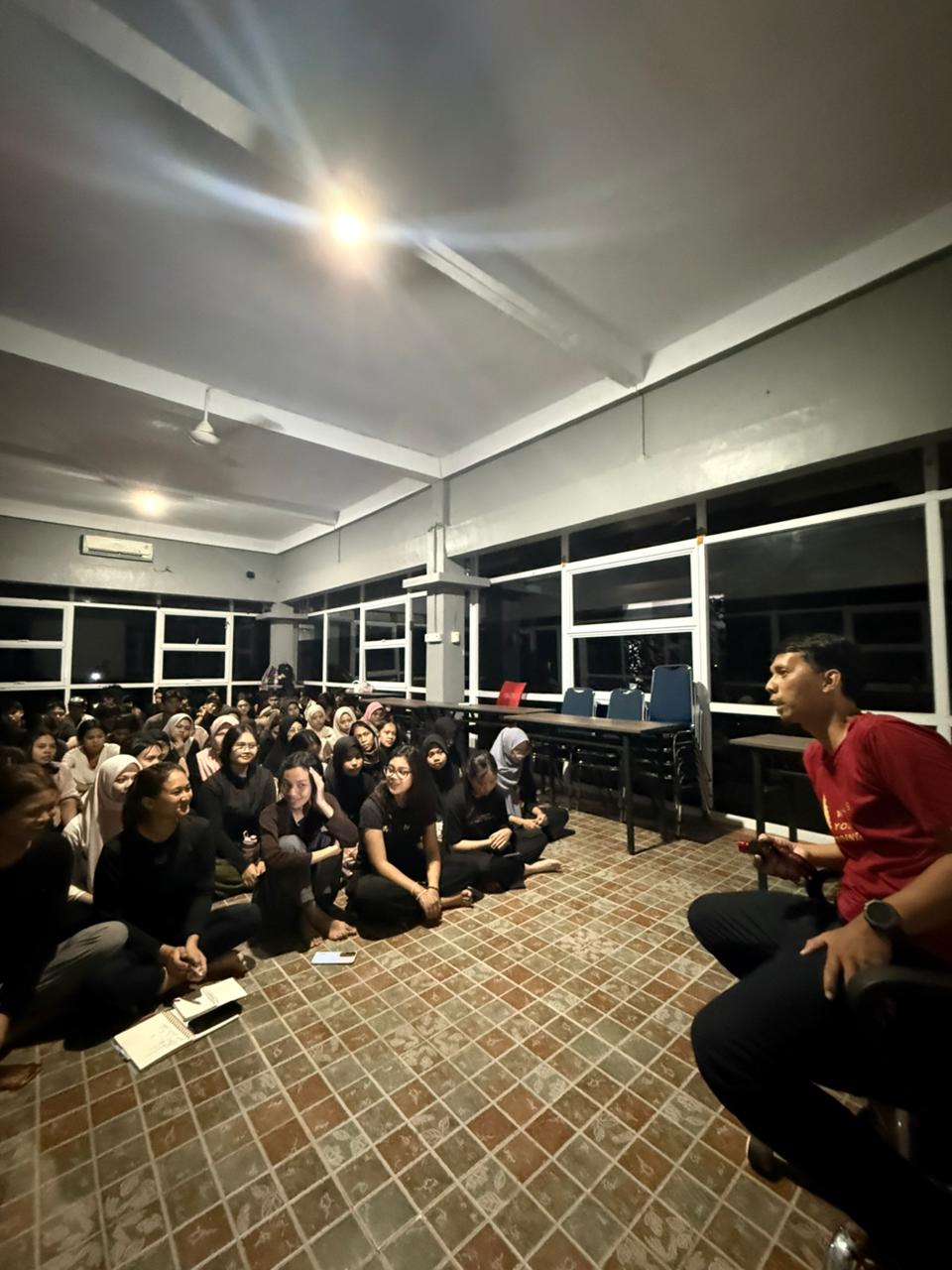
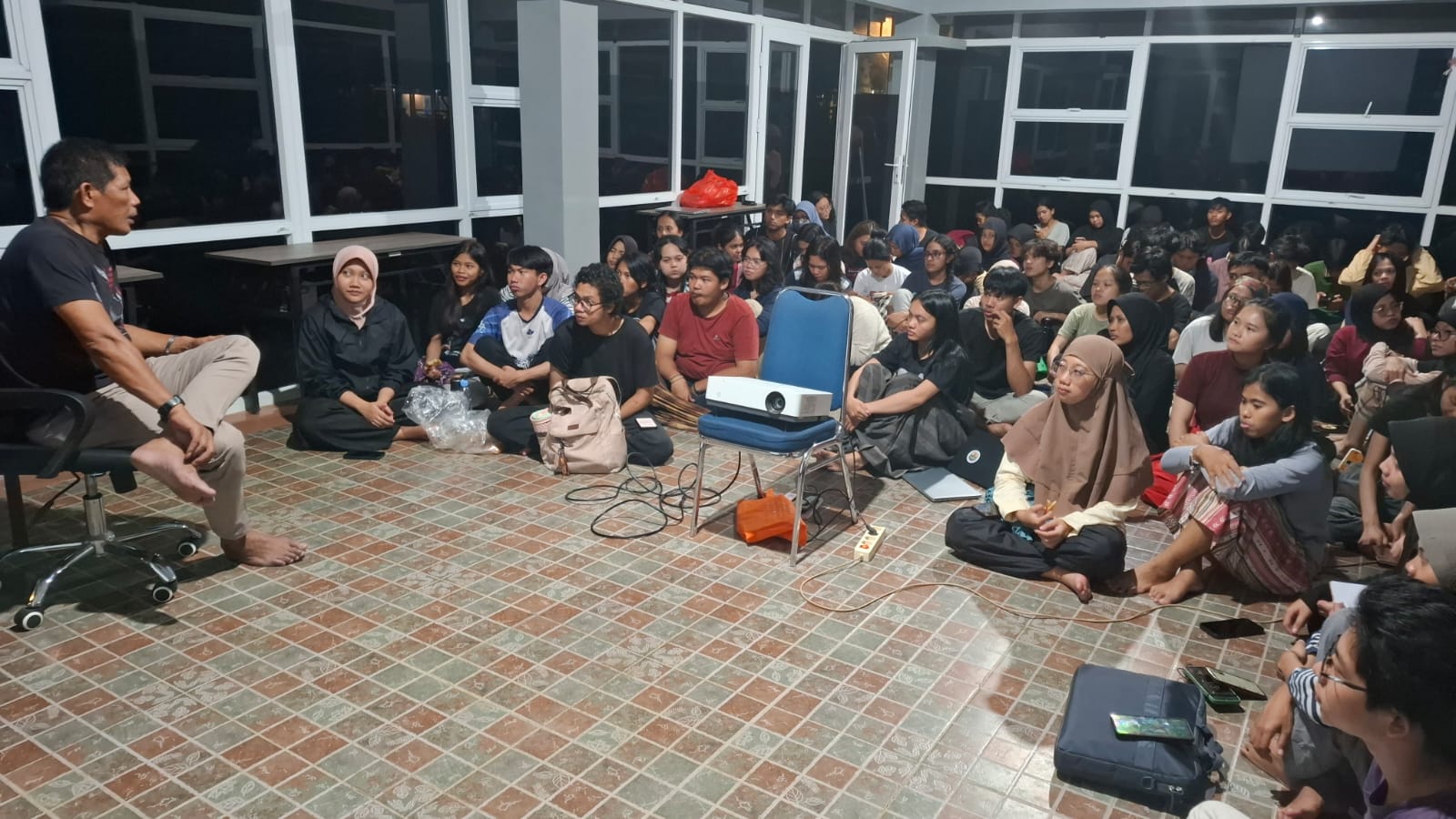
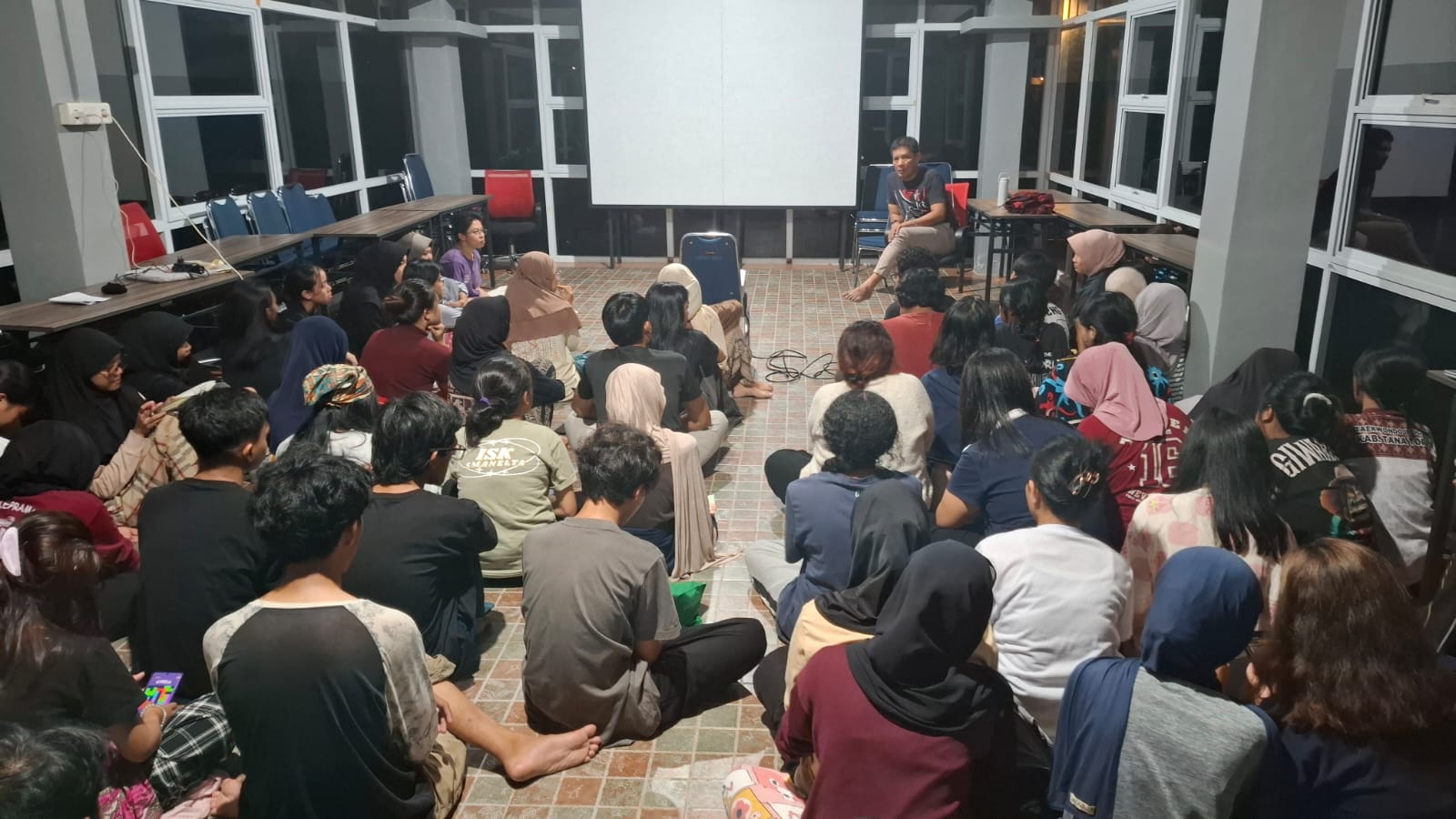
A total of 91 students, accompanied by six lecturers, took part in the activities, which included surveys, data recording, team discussions and classroom sessions at the base camp. The aim of this practical course was to develop the students’ field research skills whilst deepening their understanding of the prehistoric cultural context of the Maros–Pangkep karst region.
Series of Activities
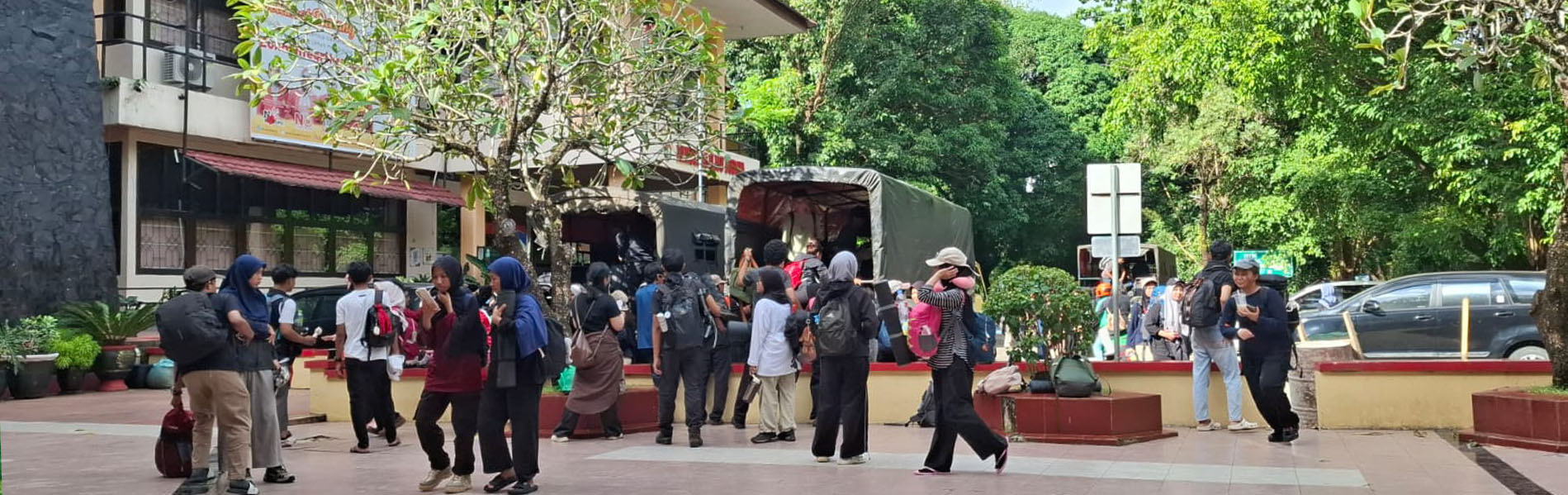
- Day one (4 June 2026): departure from the campus to the base camp, followed by a briefing and team discussion.
- Days two to four (5–7 June 2026): core activities comprising surveys and data collection at various prehistoric cave sites, including Leang Panaikang 1, Tinggi Ada, Barang Tedong 1, Lambatorang, Pucu 2, Pucu 3, Pucu 6, Pajae, Ulu Wae, Elle Pusae, Ambe Pacco, Bulu Bettue, and Ulu Leang.
- Evenings will be devoted to team discussions and classroom sessions, delving deeper into the analysis of the data collected.
Support and Licensing
This activity has received the full support of the Bantimurung Bulusaraung National Park Office and the South Sulawesi Cultural Preservation Office, which have issued official visit permits in accordance with the regulations. The area’s management has also emphasised the importance of complying with conservation regulations and ensuring that students bring their own equipment for the duration of the activity.
University Key Performance Indicator (KPI) Achievements
This practical course also forms part of the achievement of Hasanuddin University’s Key Performance Indicators (KPIs):
- IKU 3: Students gain off-campus learning experiences through fieldwork at prehistoric sites.
- IKU 5: Supervising lecturers are actively involved in fieldwork alongside students, strengthening academic collaboration with external partners such as the Cultural Heritage Conservation Centre and the National Park Authority.
The Significance of the Activity
This fieldwork placement is not only an opportunity for technical learning, but also a means of raising students’ awareness of the importance of preserving prehistoric cultural heritage. Through direct involvement in the field, students are expected to be able to integrate theory with practice and generate data that is useful for the development of archaeology and society.