
Evaluation of the Archaeology Programme Accreditation Task Force: Synergy with the University’s Key Performance Indicators
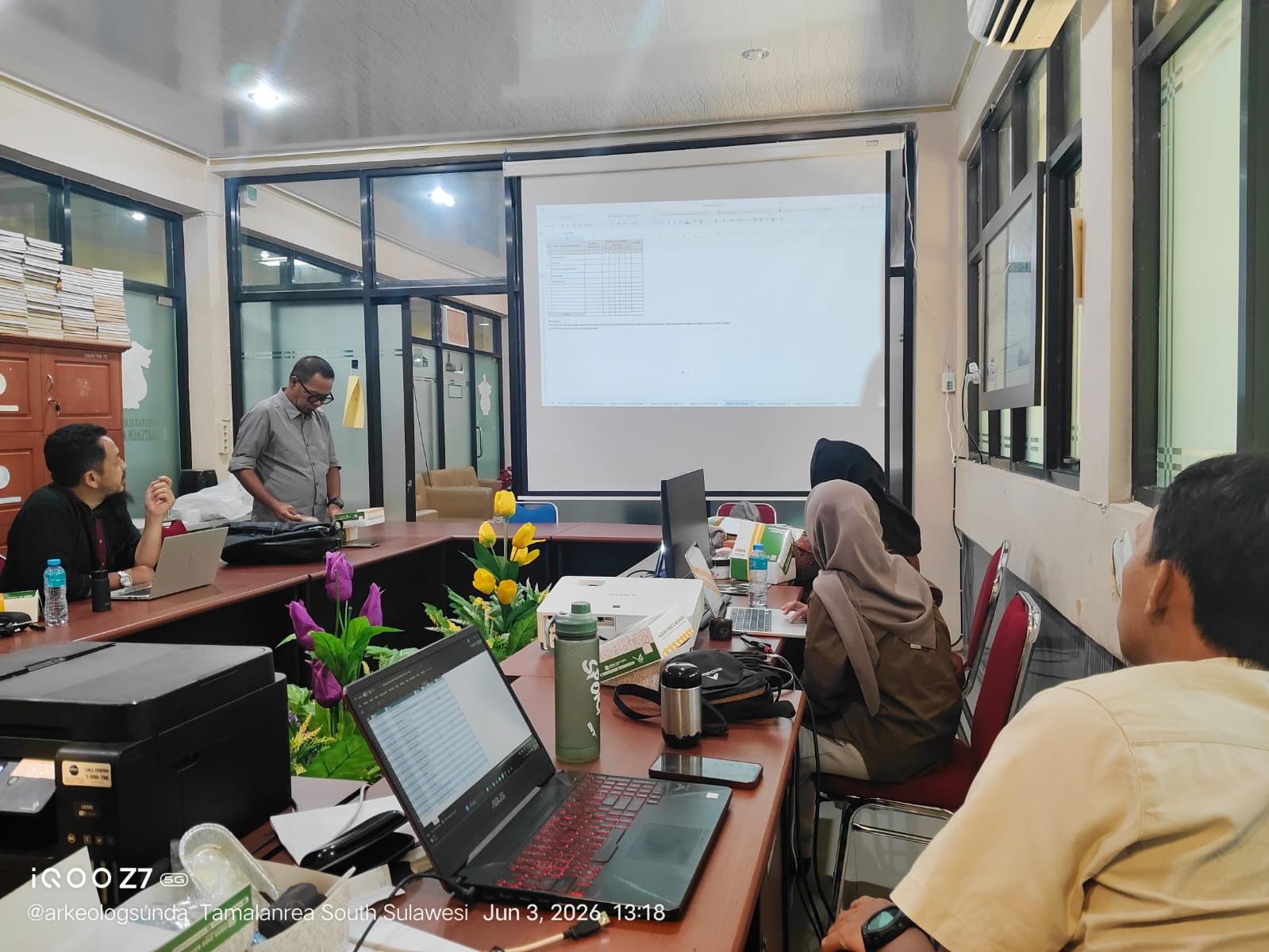
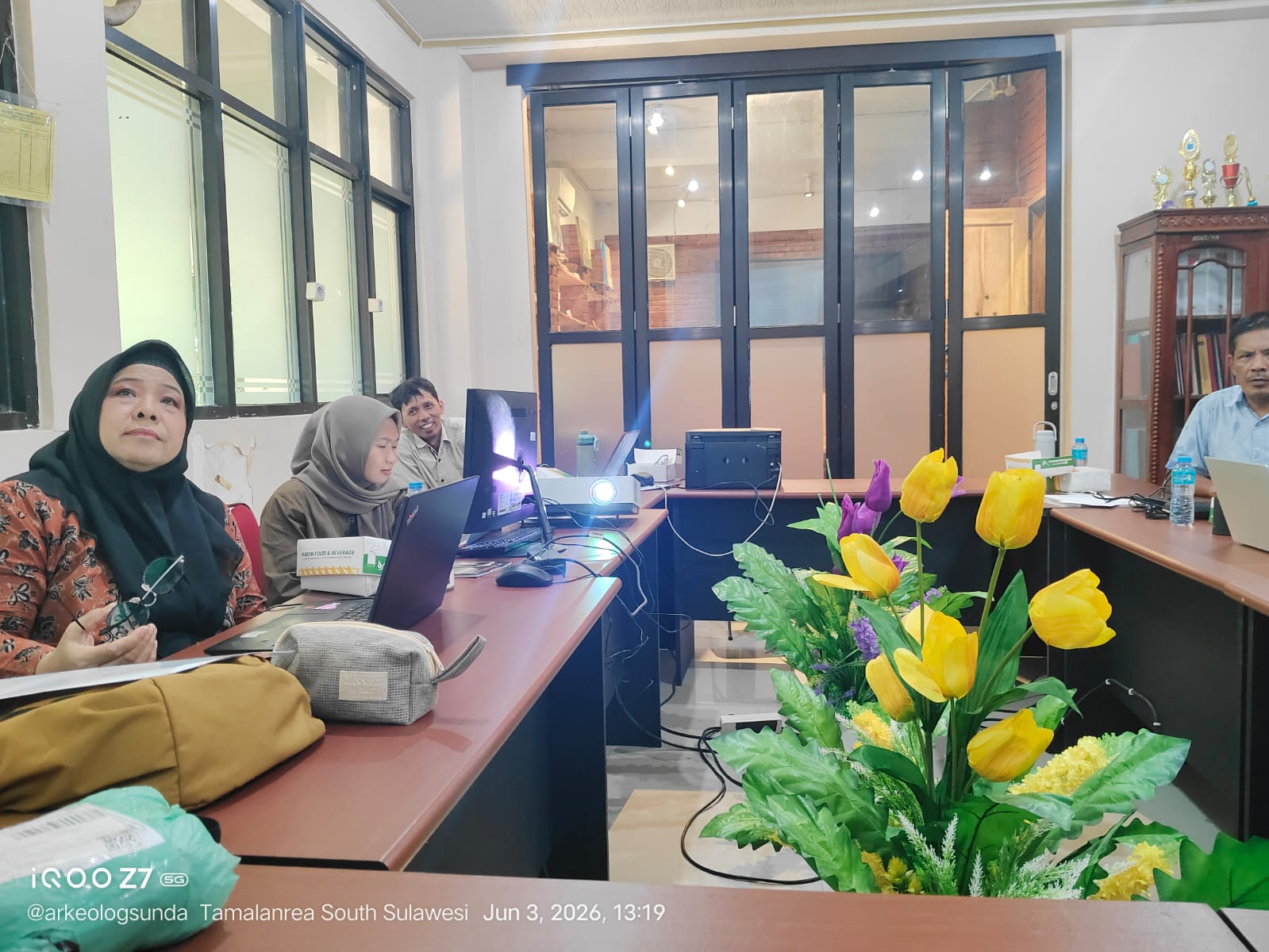
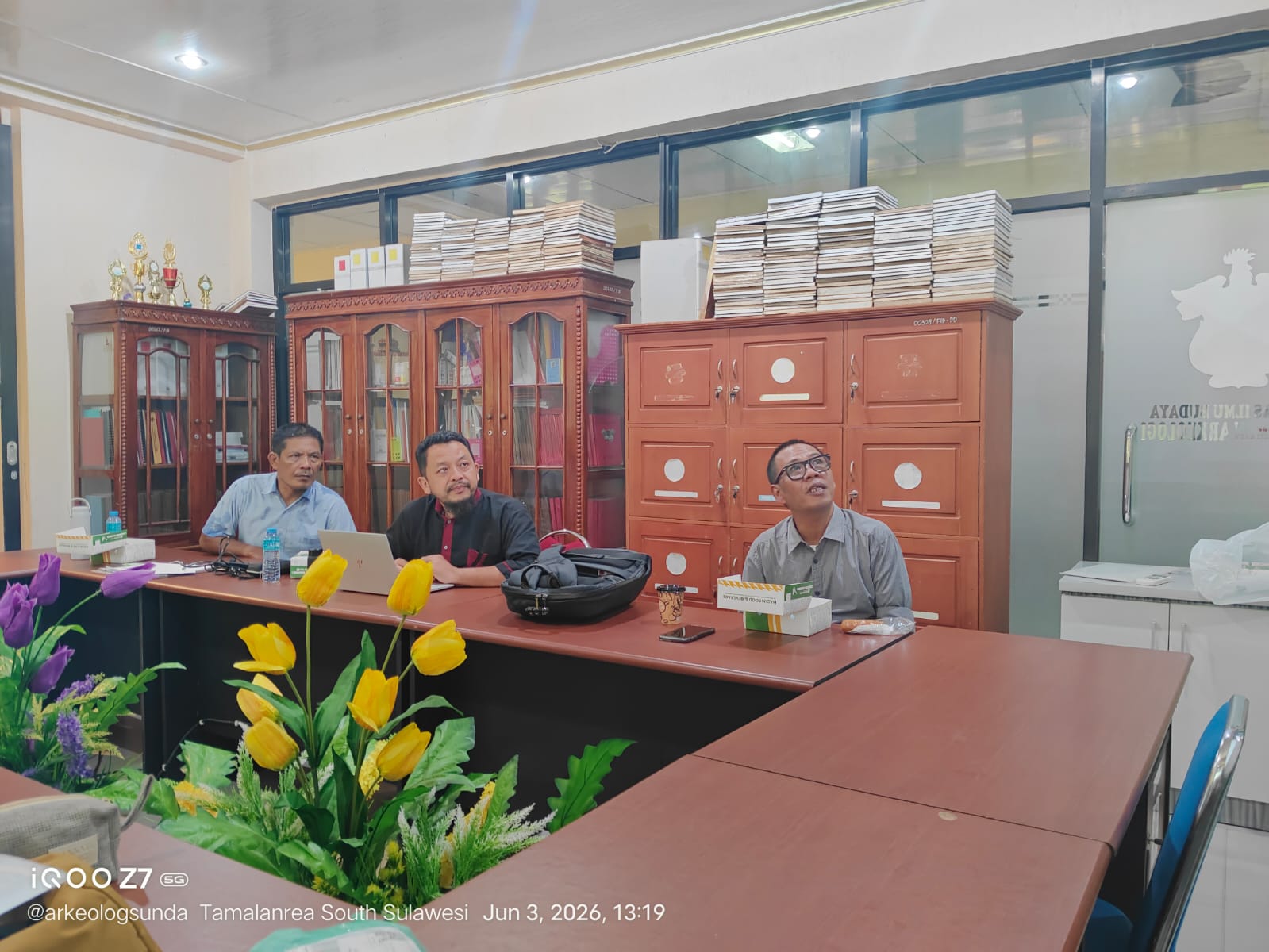
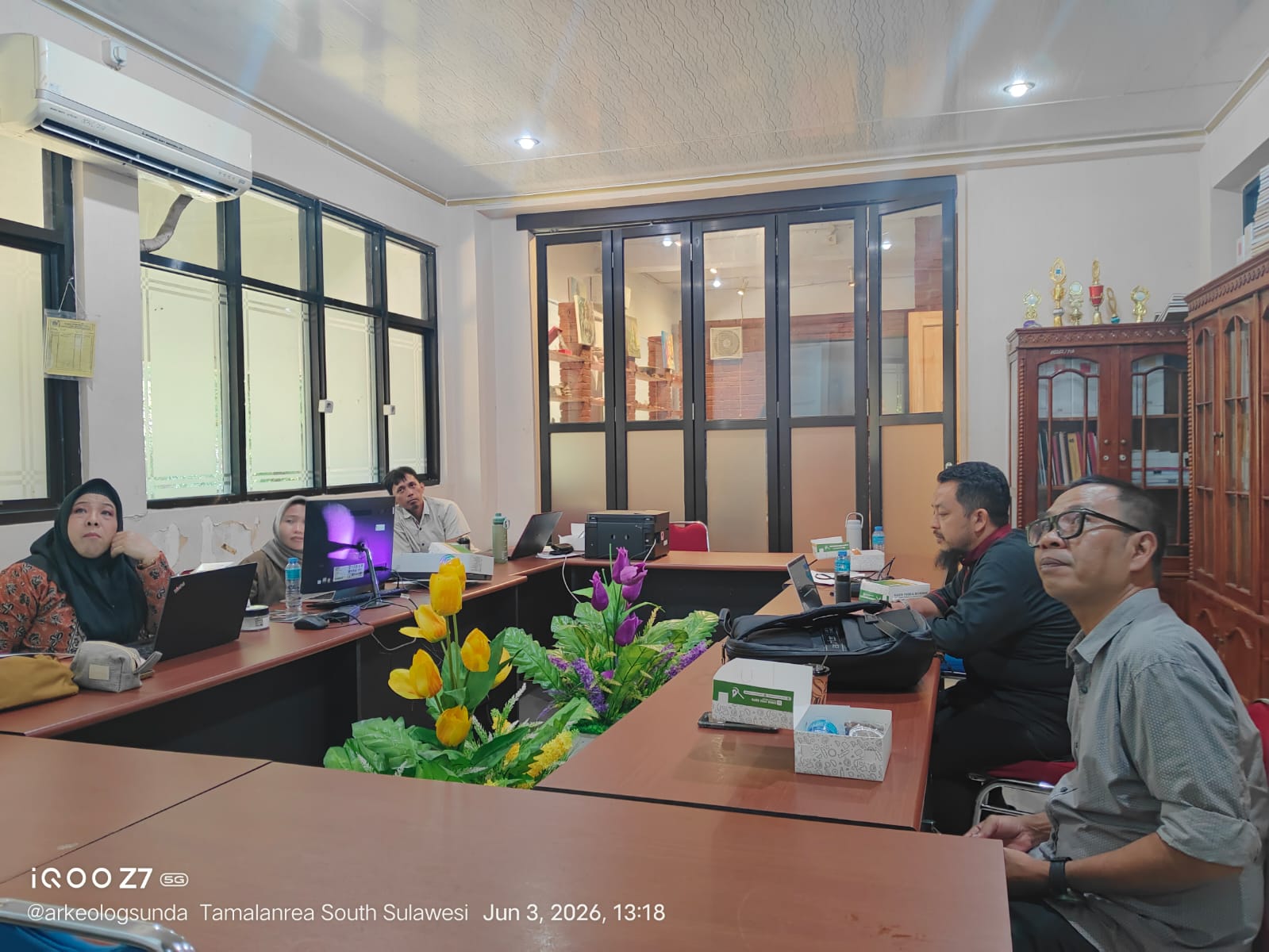
The Department of Archaeology, Faculty of Cultural Sciences, Hasanuddin University held an evaluation meeting of the Task Force for the Accreditation of the Archaeology Undergraduate (S1) Programme on Wednesday, 3 June 2026, in the Department of Archaeology’s meeting room. The meeting took place from 13:00 to 15:00 WITA, with the main agenda being a discussion of the progress made in preparing the accreditation documents.
Key Points
Several key areas are the focus of the evaluation, including:
- Completeness of accreditation data: All working groups are requested to review and complete the relevant documents in accordance with their respective responsibilities.
- Student and alumni data: Refinement of the tracer study, graduate profiles, and other supporting data relevant to the Key Performance Indicators (KPIs) concerning graduate quality.
- Coordination with the Quality Assurance Group: Quality assurance data is linked to KPIs emphasising academic governance and institutional reputation.
- Adjustment of lecturer data: The lecturer-to-student ratio must align with official PDDIKTI data, supporting the KPI on the quality of learning.
- Recognition of graduates: Evidence of alumni’s professional achievements and strategic positions serves as a key indicator in achieving the KPI related to graduate competitiveness.
Decisions and Follow-up
The meeting agreed that each working group must complete the missing data in accordance with their respective tasks. Coordination with the Quality Assurance Unit will take place immediately, whilst the team of lecturers continues the process of aligning data with PDDIKTI. The alumni team has also been tasked with expediting the collection of graduate recognition documents.
These steps not only support the achievement of excellent accreditation but also strengthen the Department of Archaeology’s contribution to the University of Hasanuddin’s IKU objectives, particularly in terms of graduate quality, academic reputation, and transparent governance.