The Ancient Barrang Lompo Tomb Reveals Traces of Makassar’s Multicultural Maritime World
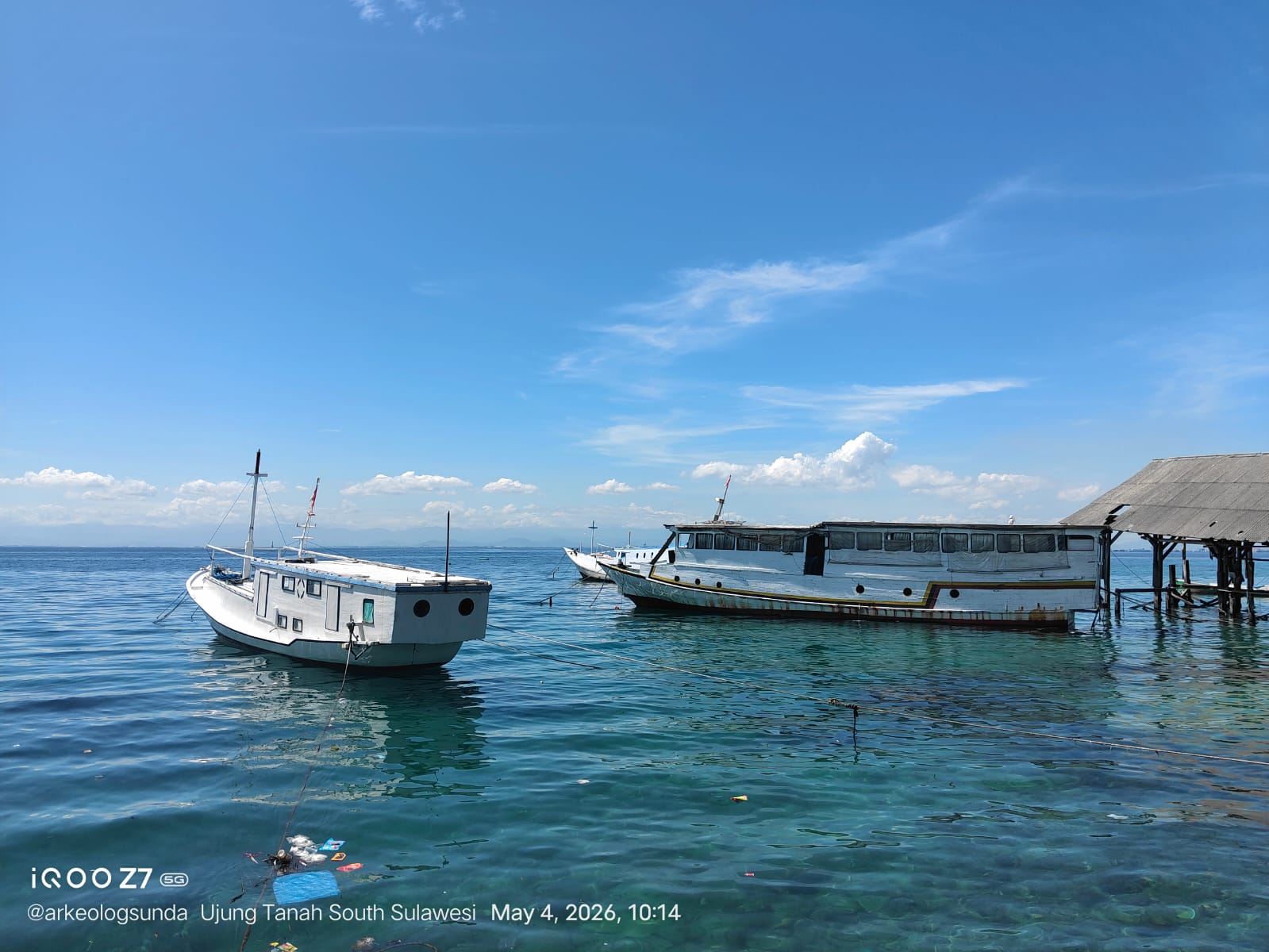
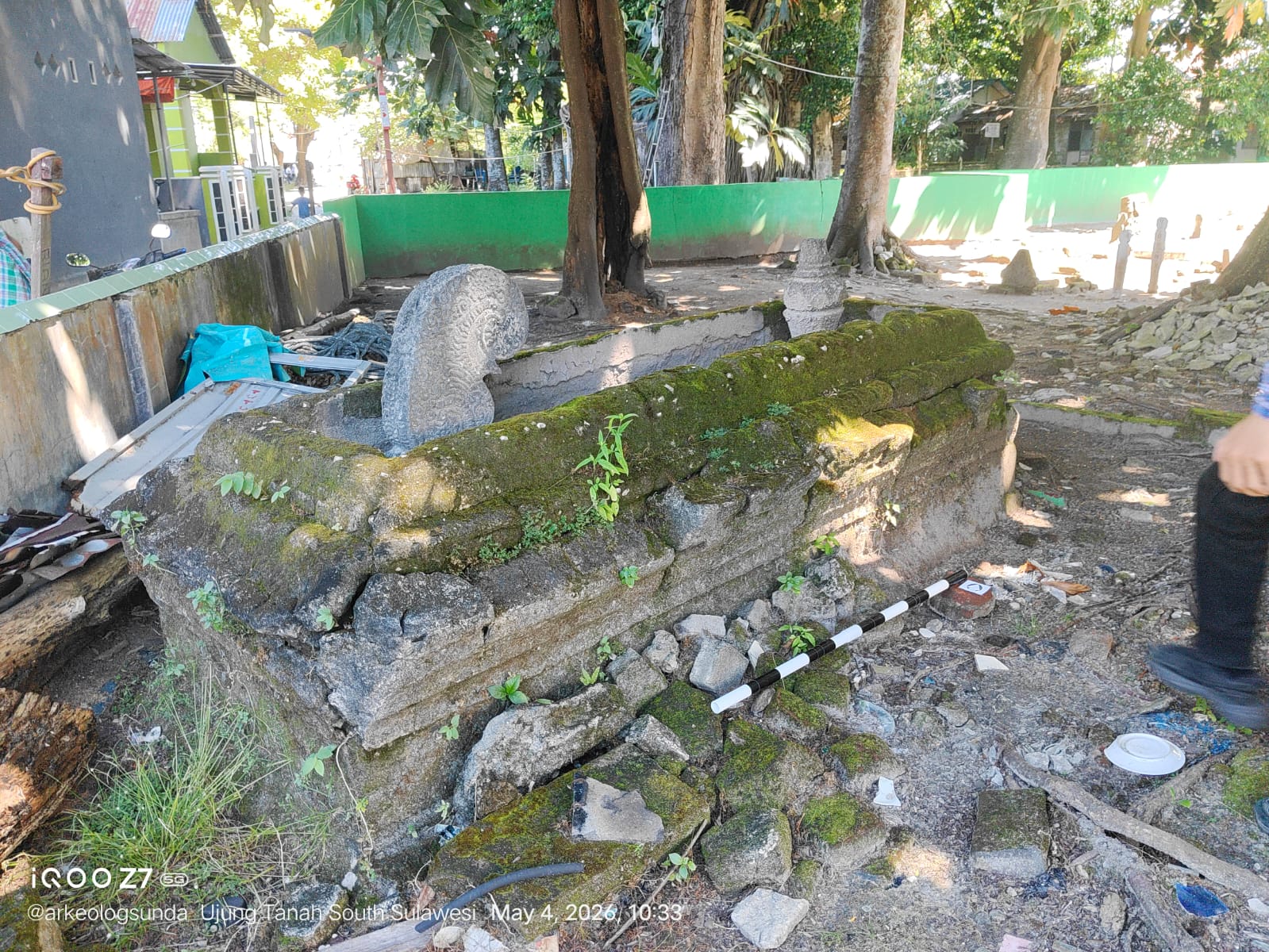
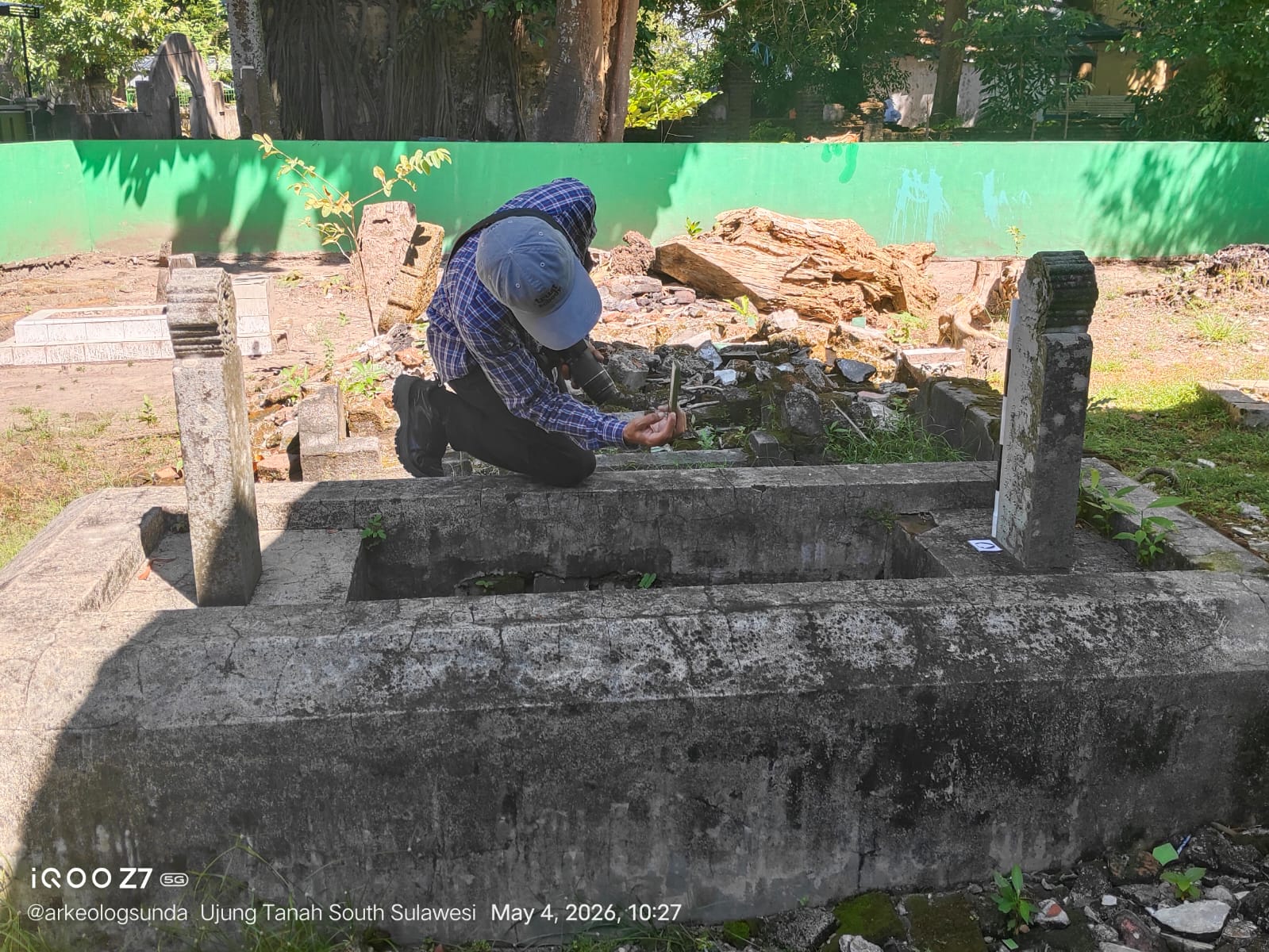
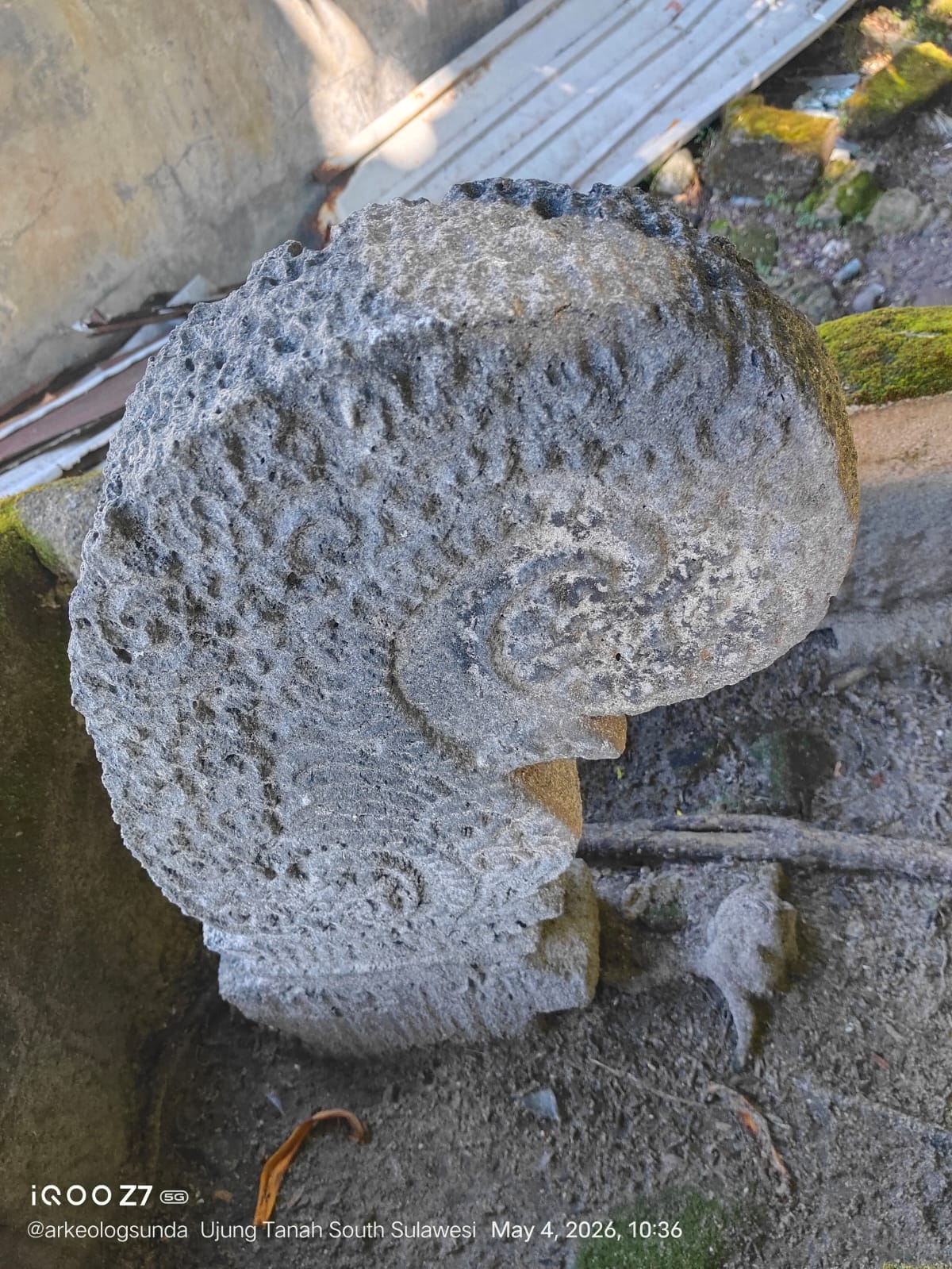
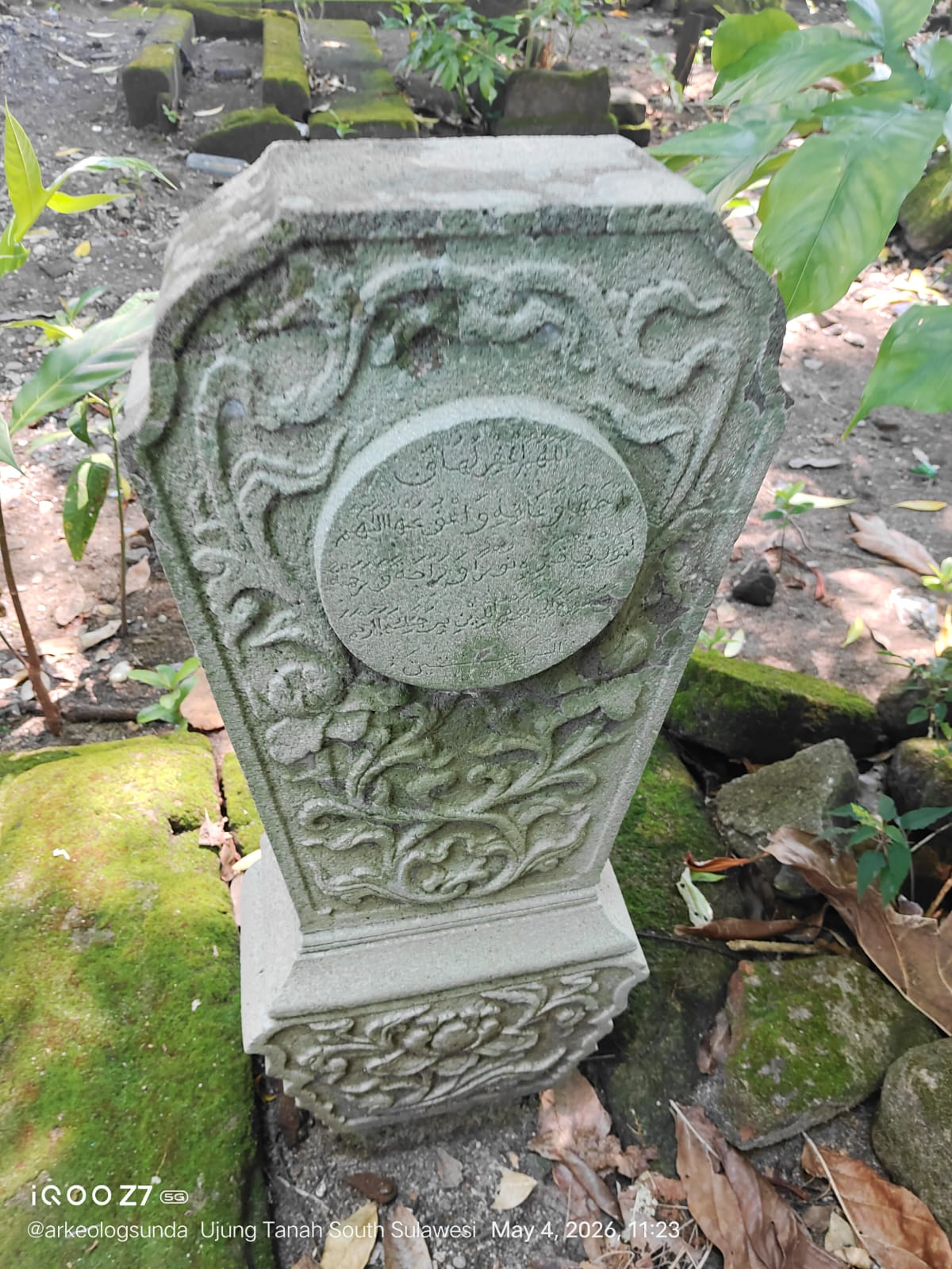
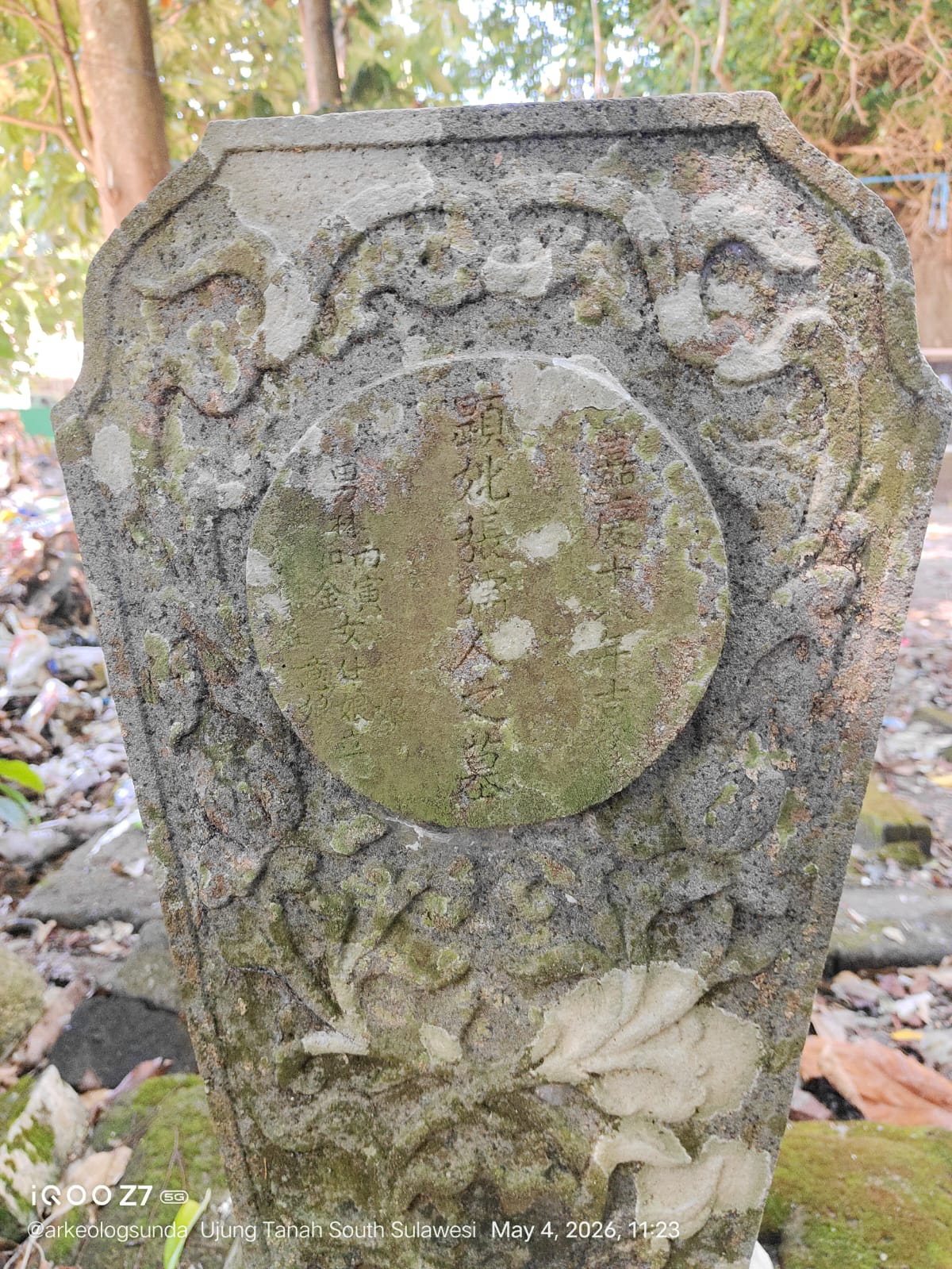
Barrang Lompo Island, a small island in the Spermonde archipelago, stands as a silent witness to the long history of Makassar’s maritime cosmopolitanism. Behind the simple fishing village lies an ancient burial complex that reveals the layered identities of the coastal community dating back to the heyday of the Gowa–Tallo kingdom. Gravestones bearing inscriptions in Chinese, Arabic and Lontara stand side by side, as if signalling that cultural differences are not a barrier, but rather part of the harmony of communal life.
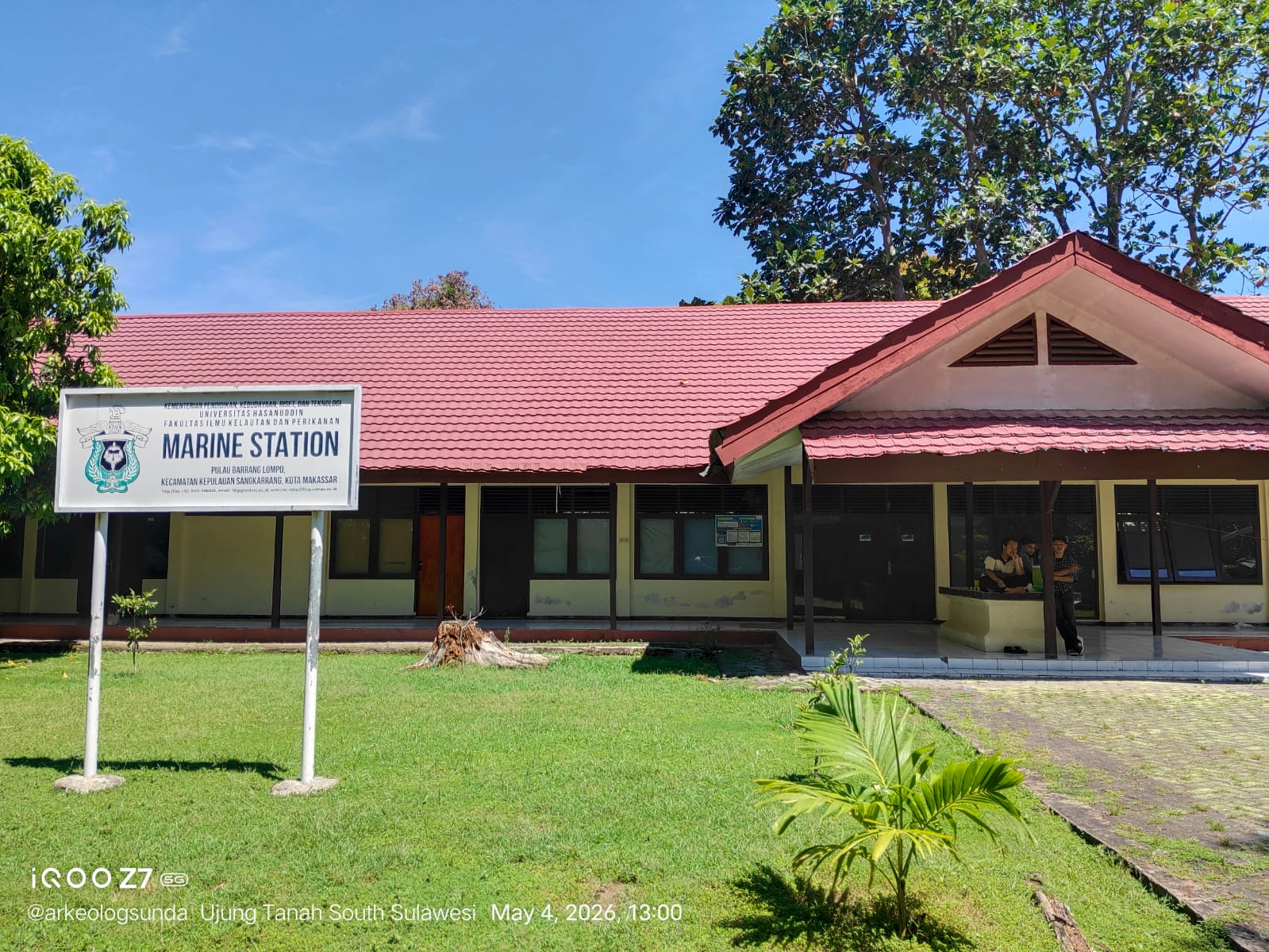
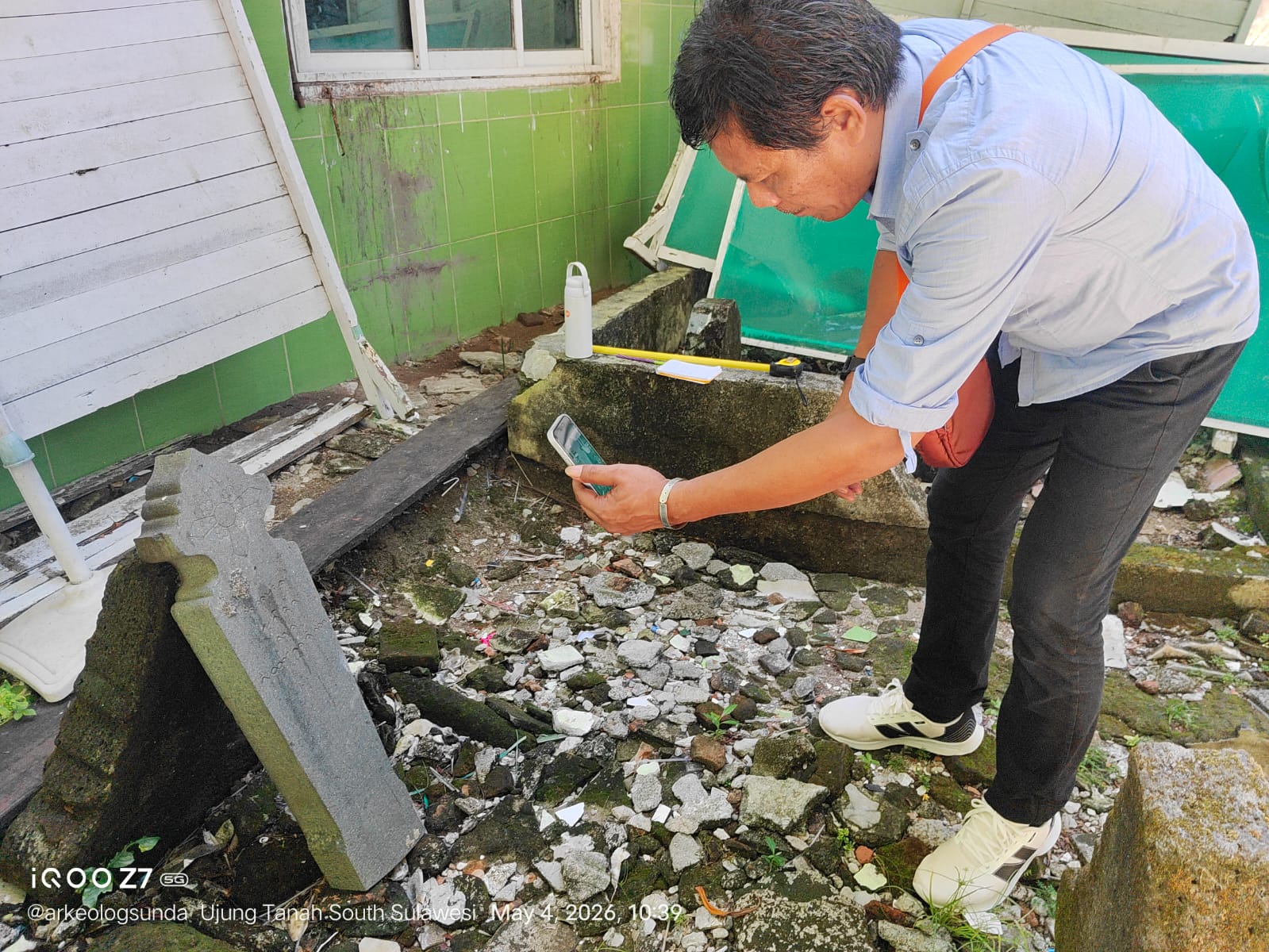
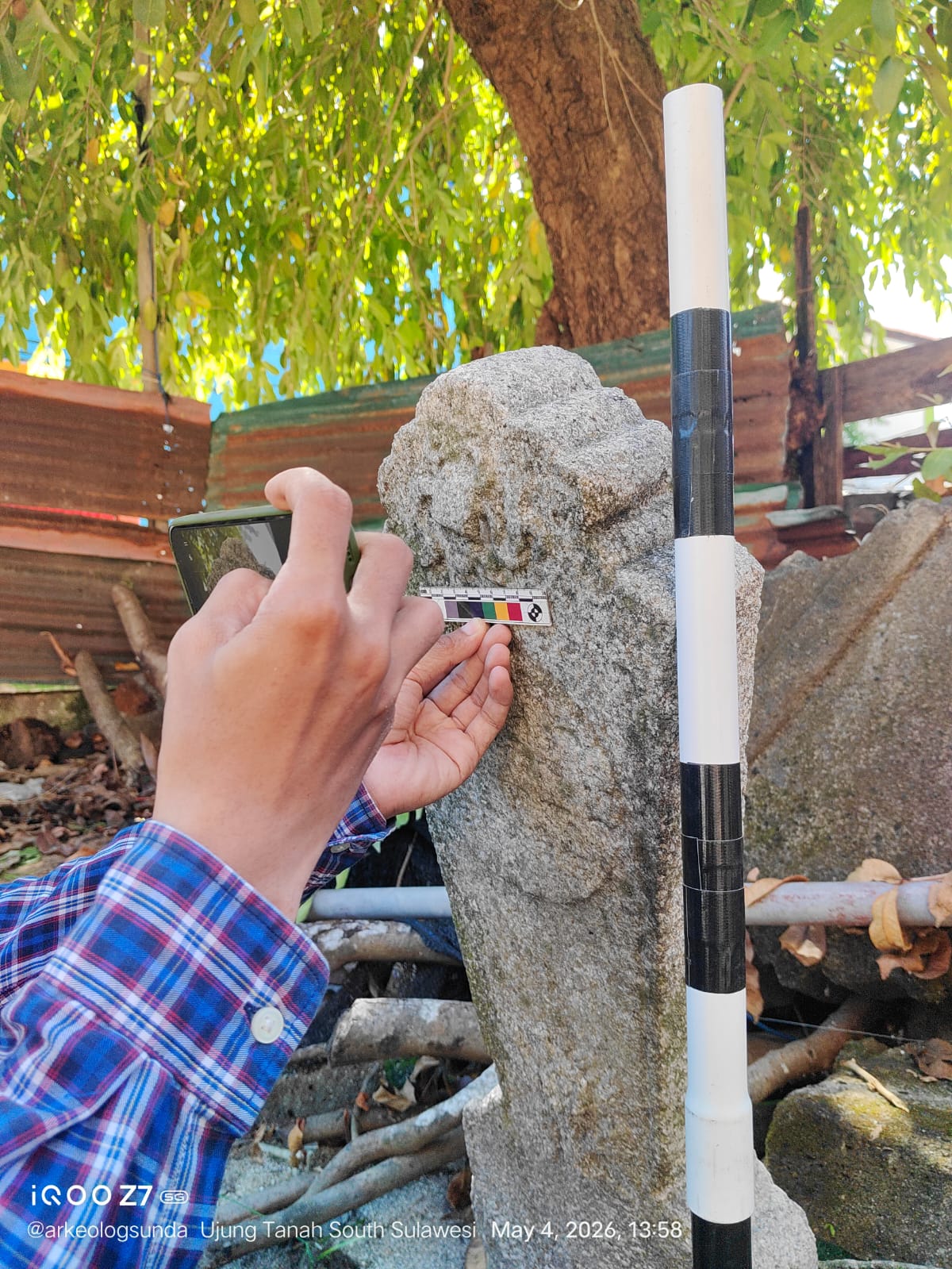
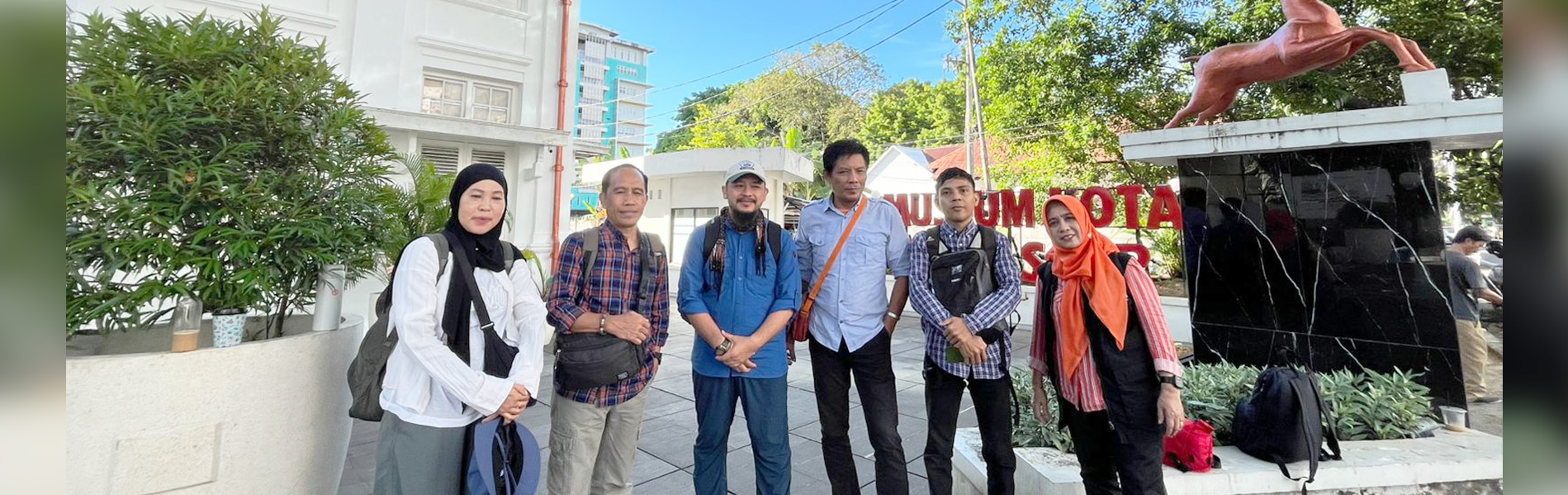
This research was carried out by a joint team from the Faculty of Cultural Sciences at Hasanuddin University and BRIN, with the support of the Makassar City Department of Culture. Names such as Prof. Dr. Muhlis Hadrawi, Dr. Yadi Mulyadi, Dr. Muhammad Nur, Dr. Nuraidar Agus, Jusmianti Garis, Yusuf, and Khaidir Sirajudin are listed as the researchers who uncovered these multicultural traces. Their presence at Barrang Lompo was not merely an academic initiative, but part of an official assignment set out in the Letter of Assignment from the Dean of the Faculty of Cultural Sciences, Hasanuddin University, Number 05794/UN4.1.15/KP.09.00/2026 dated 2 May 2026. The letter appointed Dr. Muhammad Nur and Dr. Yadi Mulyadi from the Department of Archaeology, Faculty of Cultural Sciences, Hasanuddin University, and Prof. Dr Muhlis Hadrawi, M.Hum, from the Department of Regional Literature, Faculty of Cultural Sciences, Hasanuddin University, as resource persons for the activity of compiling local historical values under the theme “Tallo: The Maritime World of Makassar, Tombs of Islamic Scholars and Figures in the City of Makassar”, which took place on 4–5 May 2026 on Barrang Lompo Island.
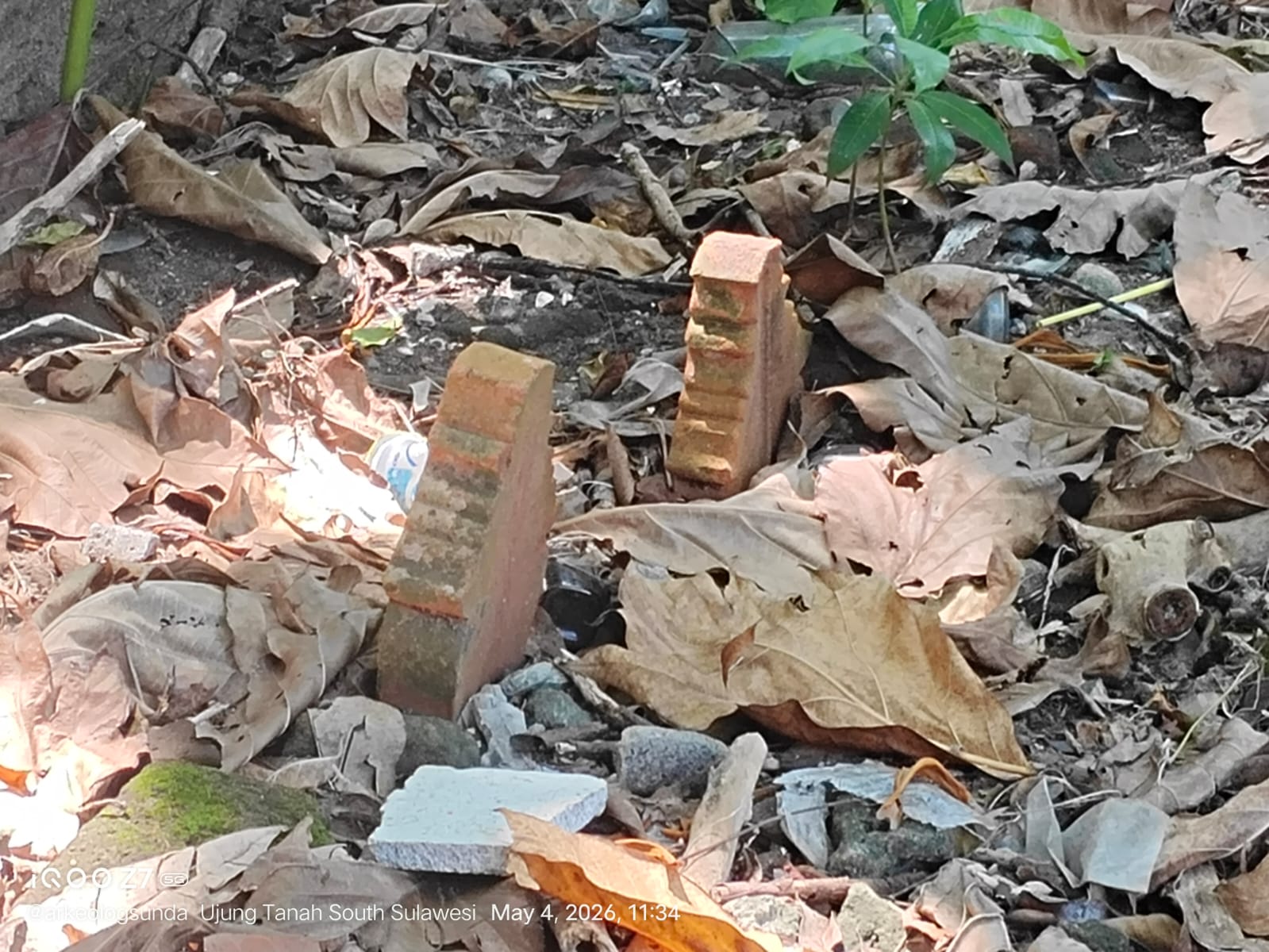
The discovery of a Chinese Muslim grave featuring three writing systems simultaneously serves as tangible evidence of the complexity of the identity of past societies. Meanwhile, graves bearing Mandar and Malay characteristics demonstrate the mobility of the archipelago’s inhabitants, which helped shape the social landscape of Makassar. The variety of grave forms, materials and ornamentation reveals social stratification whilst reinforcing the image of Makassar as a meeting point for nations along the eastern maritime trade routes of the archipelago.
This activity not only enriches academic knowledge but also constitutes a tangible achievement of the university’s Key Performance Indicators (KPIs). Archaeology lecturers from Unhas are engaging in off-campus activities, the research findings are being utilised by the community, and the process involves collaboration with students and local communities. Thus, Barrang Lompo is not merely a historical site but also a learning space that bridges the past with the present.
This small island is now seen as having potential as an educational historical tourist destination, showcasing the narrative of Makassar’s maritime cosmopolitanism. Amidst the tide of globalisation, Barrang Lompo serves as a reminder that diversity has long been part of coastal communities’ lives, coexisting in harmony for hundreds of years.