Unhas Faculty of Humanities’ Archaeology Department Collaborates on PATI 2026: Students and Lecturers Achieve Key Performance Indicators Through National Research
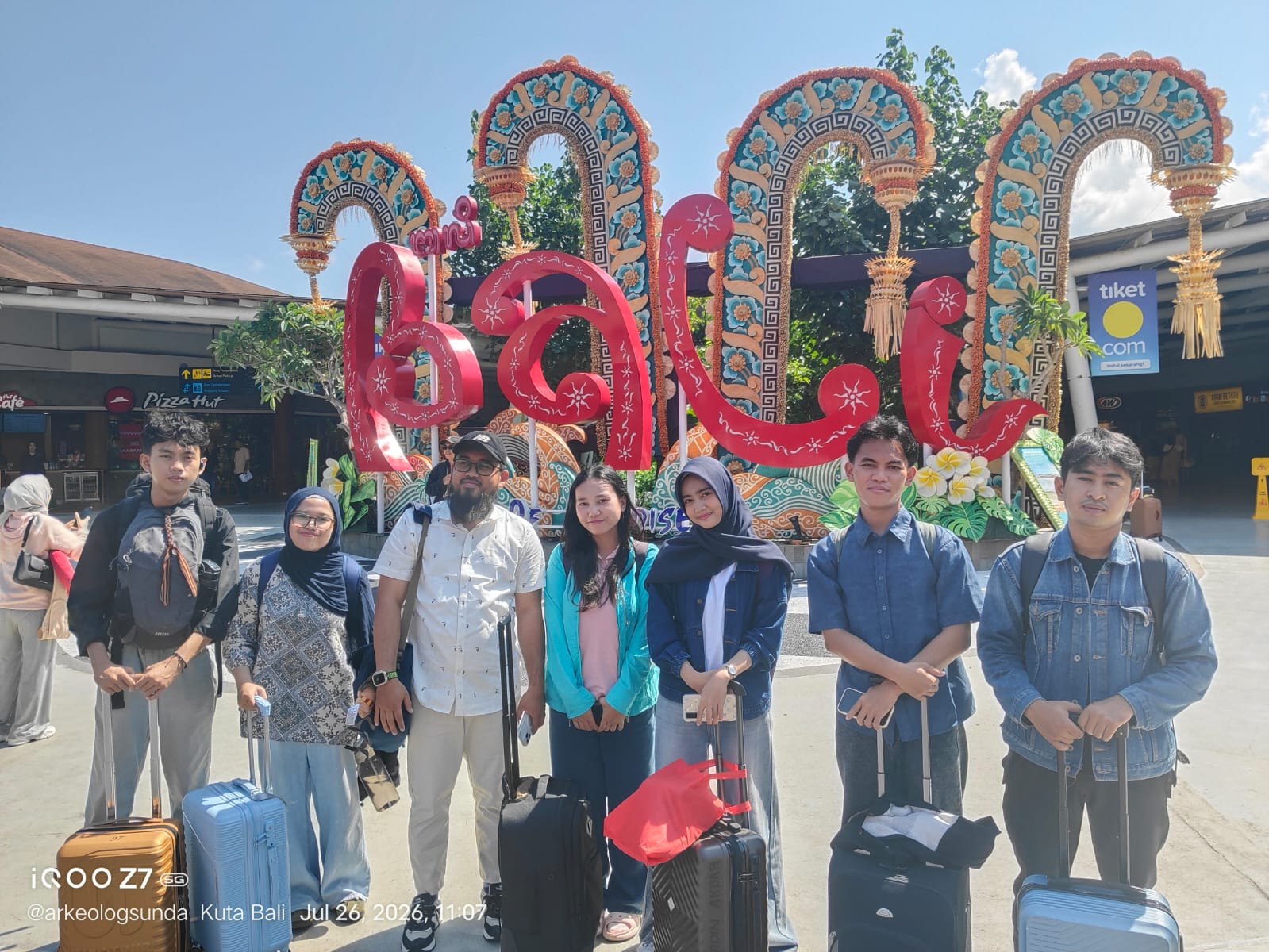
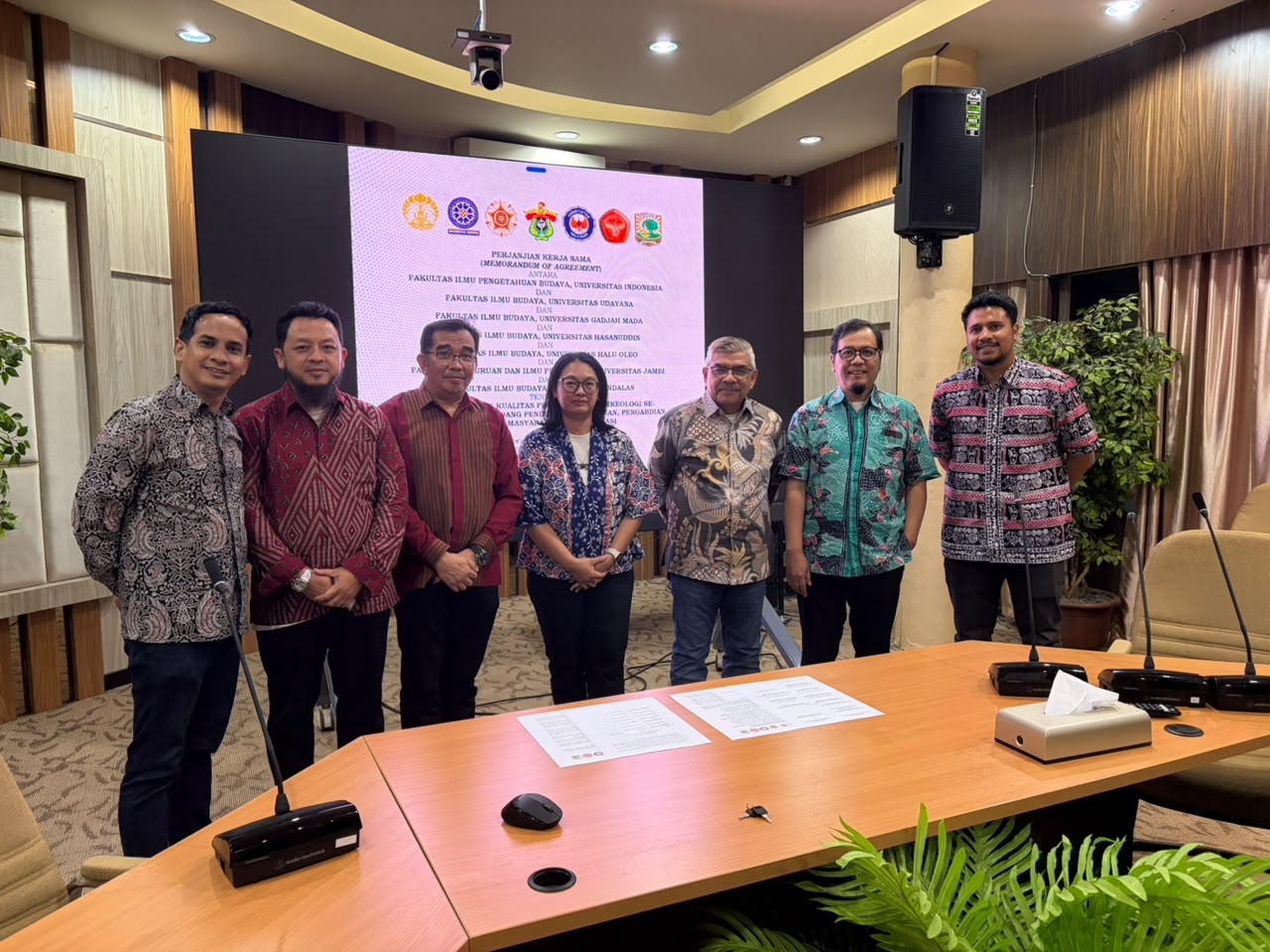
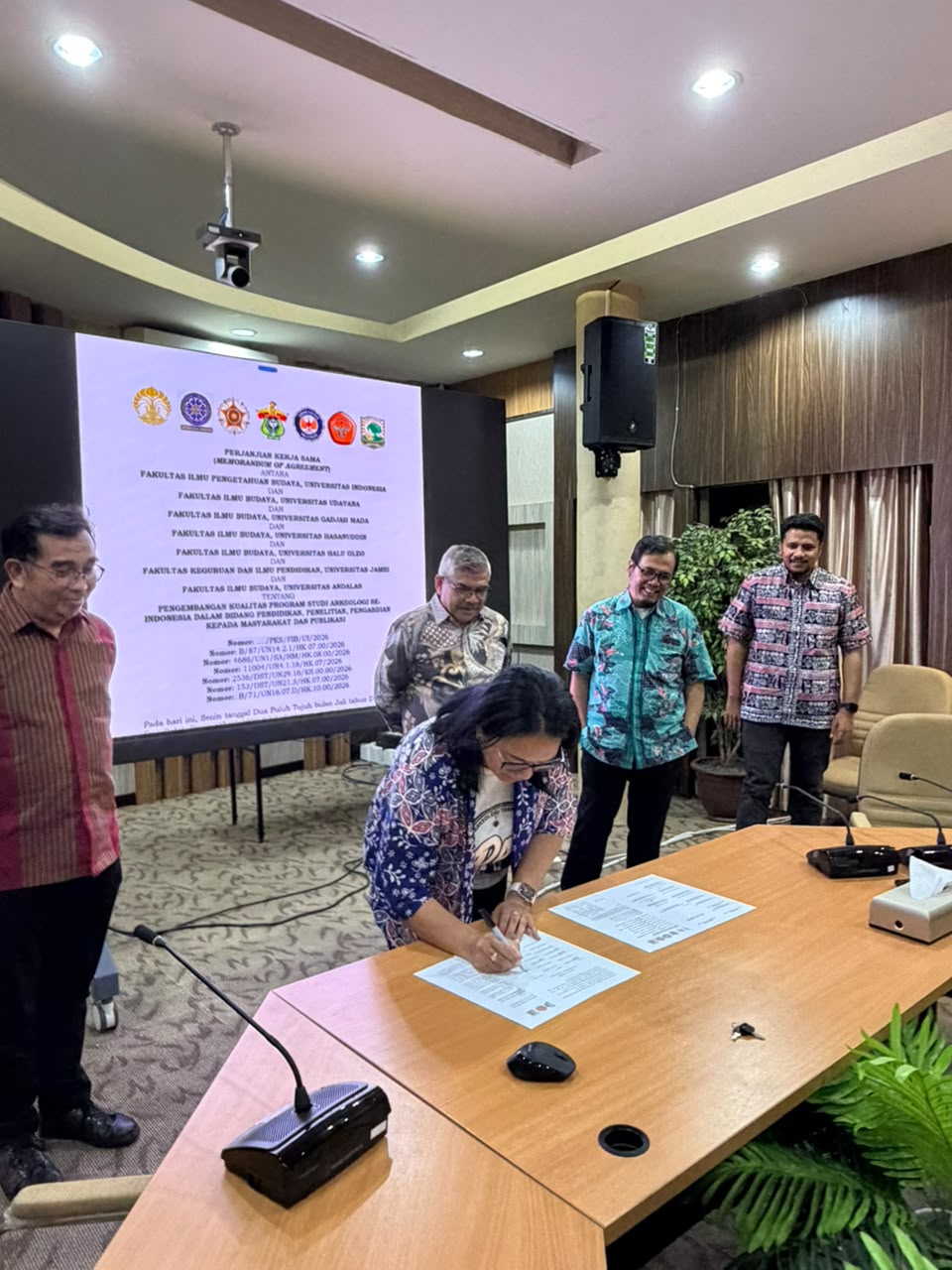
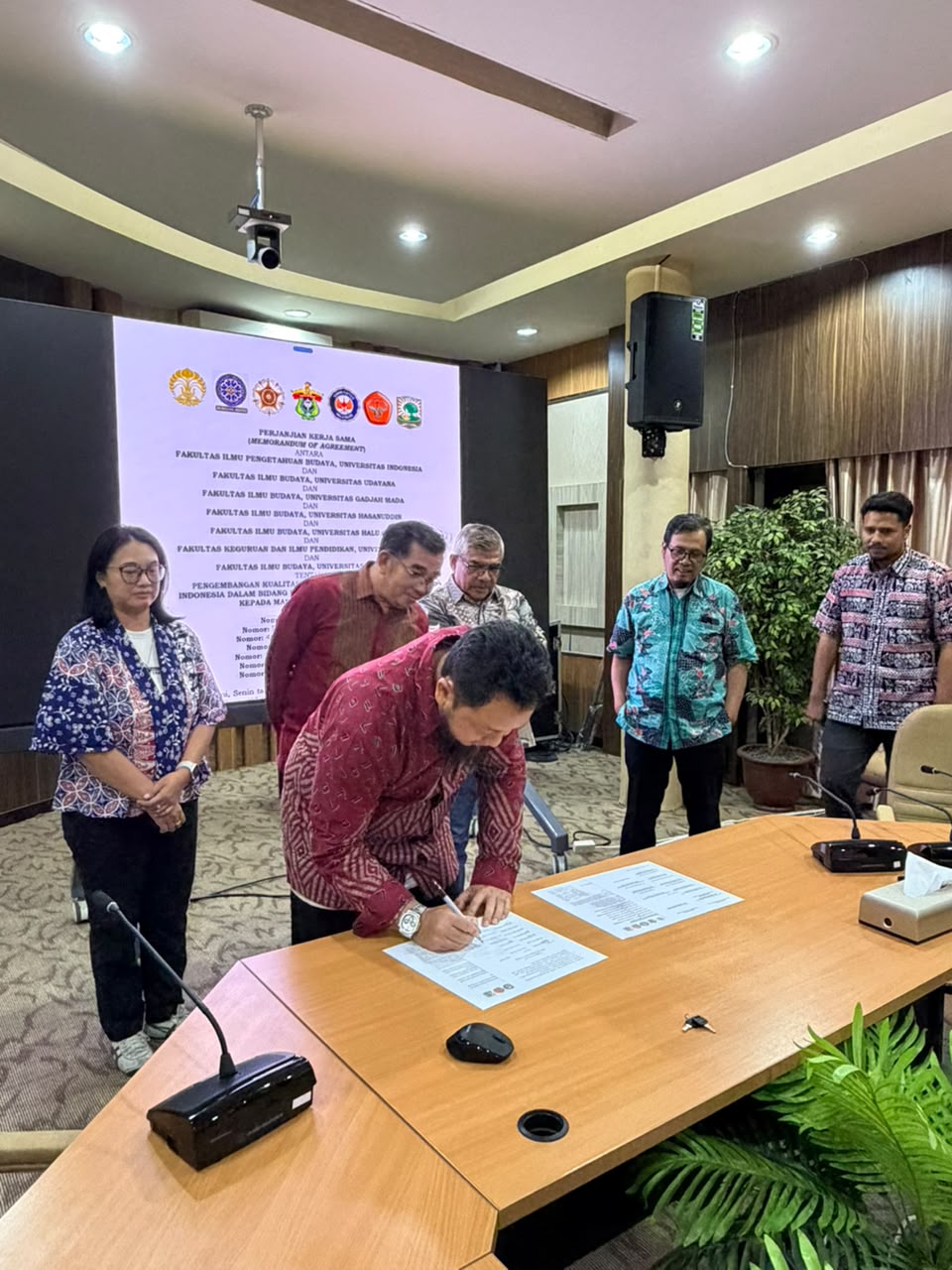
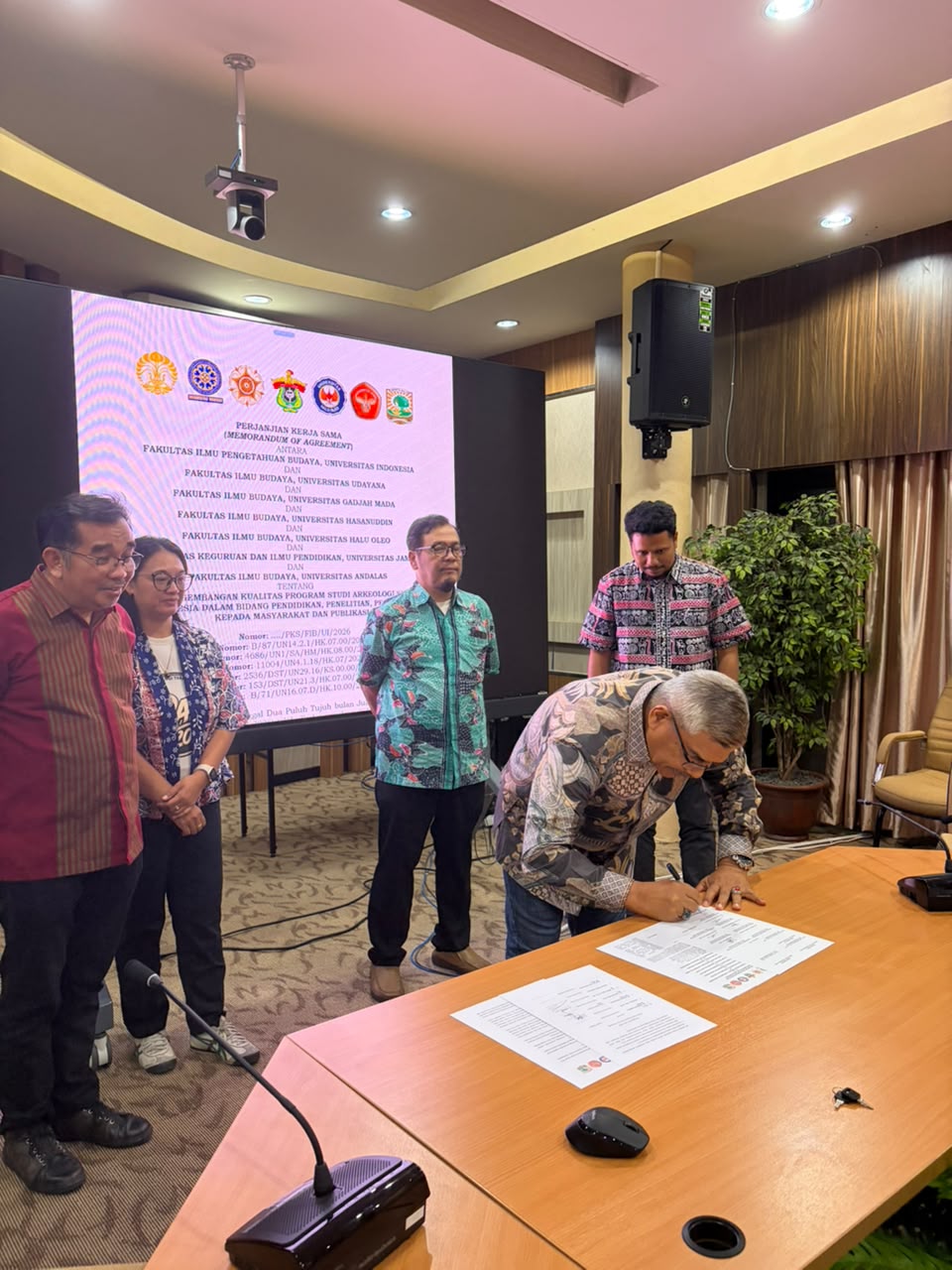
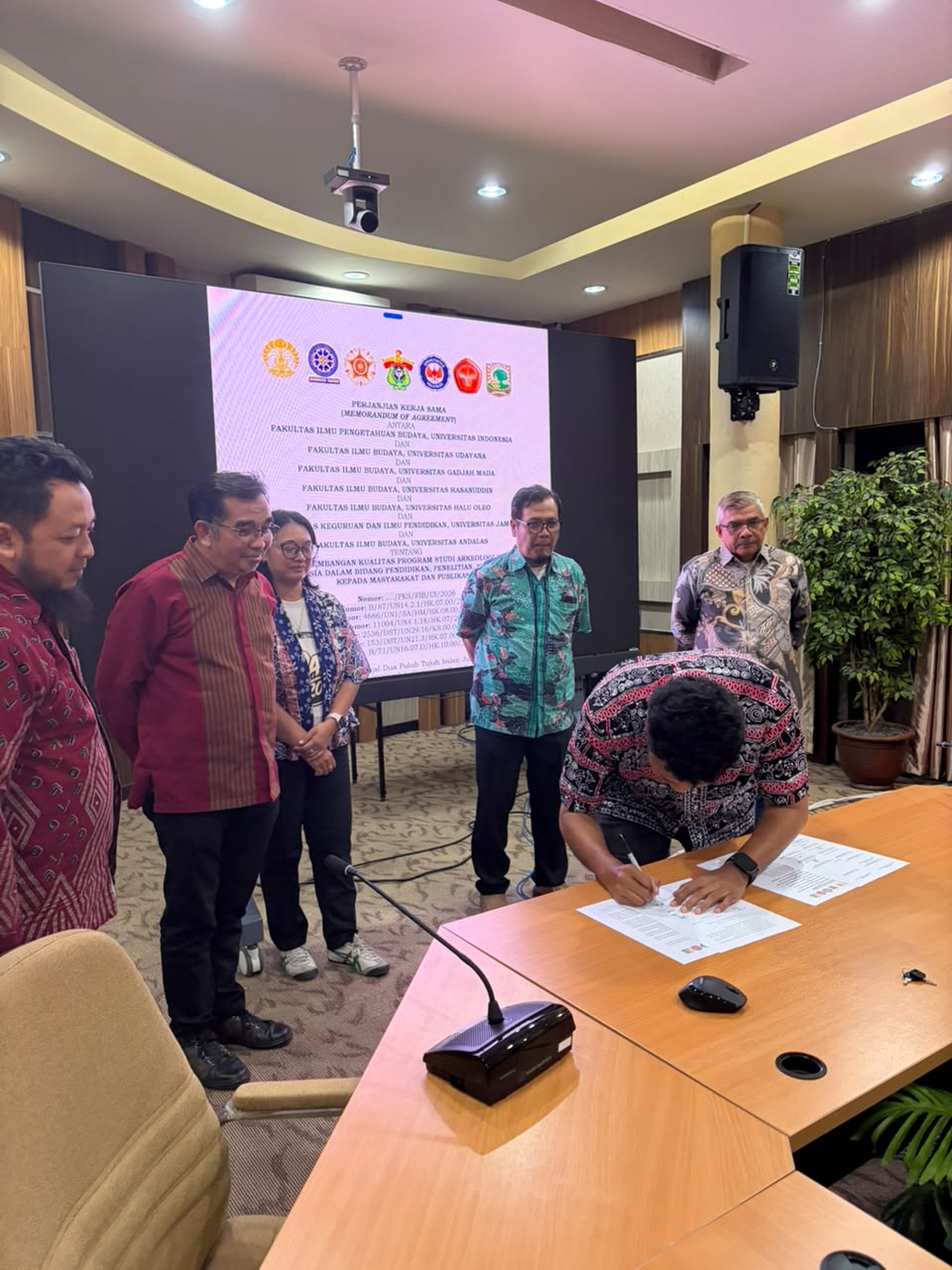
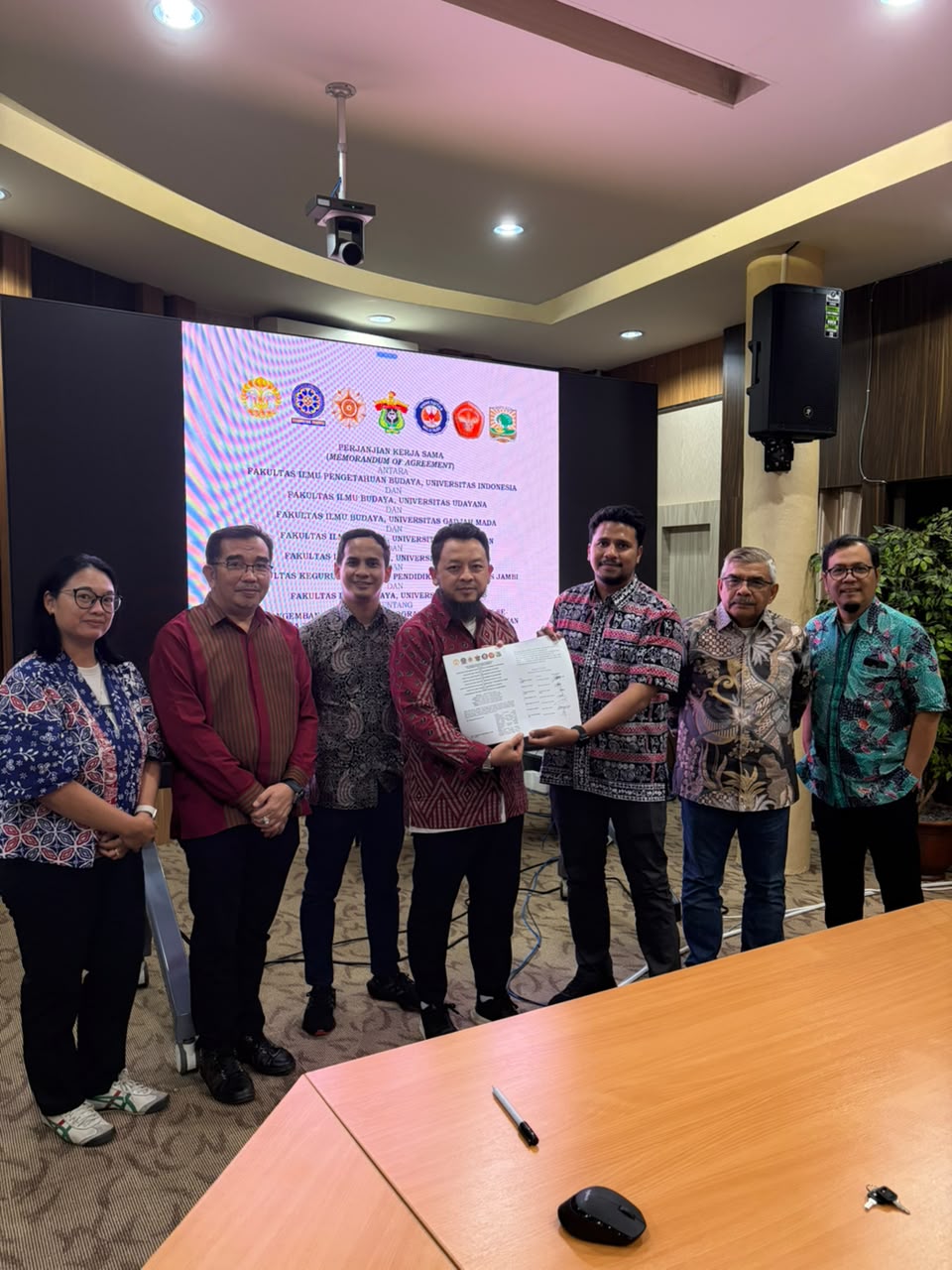
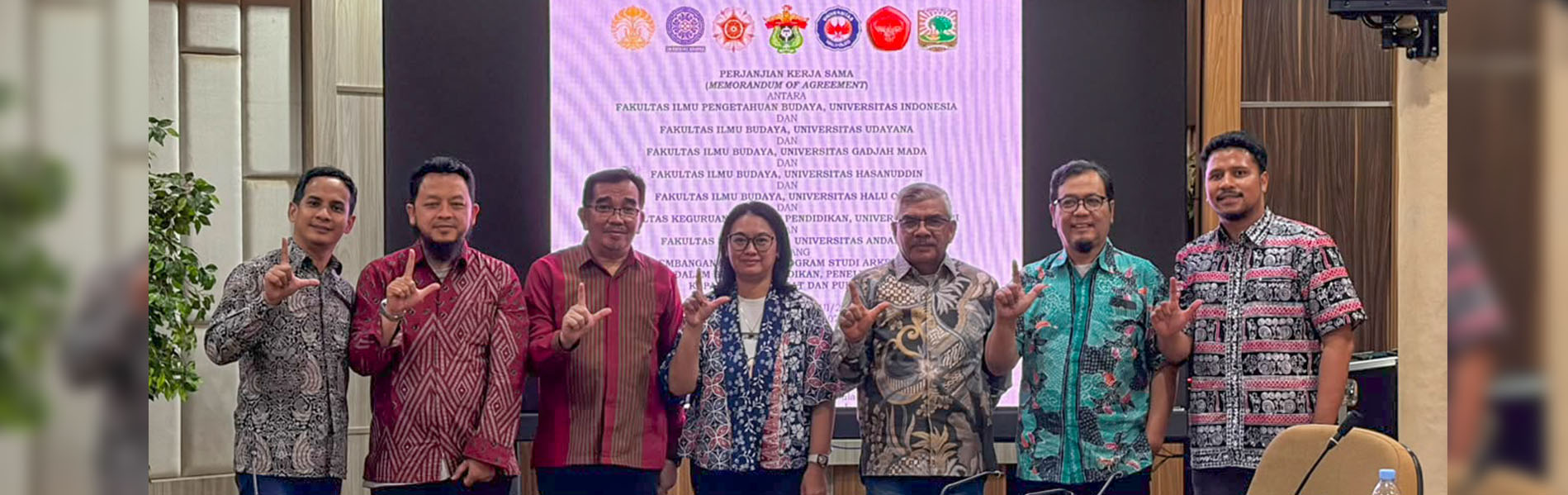
Sragen, 27 July 2026 — The Archaeology Programme at the Faculty of Cultural Sciences, Hasanuddin University, has once again demonstrated its prominence at a national level by participating in the 2026 Integrated Indonesian Archaeological Research (PATI) programme, which took place at the Sangiran Site in Sragen, Central Java. This initiative is an archaeological research consortium involving six major universities in Indonesia (the Archaeology Programmes at UI, UGM, Udayana, Unhas, Uho and Unja) alongside BRIN and the Sangiran Early Man Museum.
Involvement of Lecturers and Students
An official letter of appointment from the Faculty of Cultural Sciences appointed Dott. Erwin Mansyur Uga Saraka, M.Sc., Arch., MatSc. as the supervising lecturer. Meanwhile, a number of Archaeology students from the Faculty of Cultural Sciences, University of Hasanuddin, participated in various teams:
- Conservation Team: Sarvina Dewi, Aris Munandar
- Excavation Team: Andi Saskia Aulya, Silfi Rahmawati
- CRM/Museum Team: Akhdina Azzany Marwa, Bhisma Narendra Ridha Putra, Julianda Saputra
- Organising Committee from Unhas: Elyjah Ahmad Cezare, Muhammad Akramullah
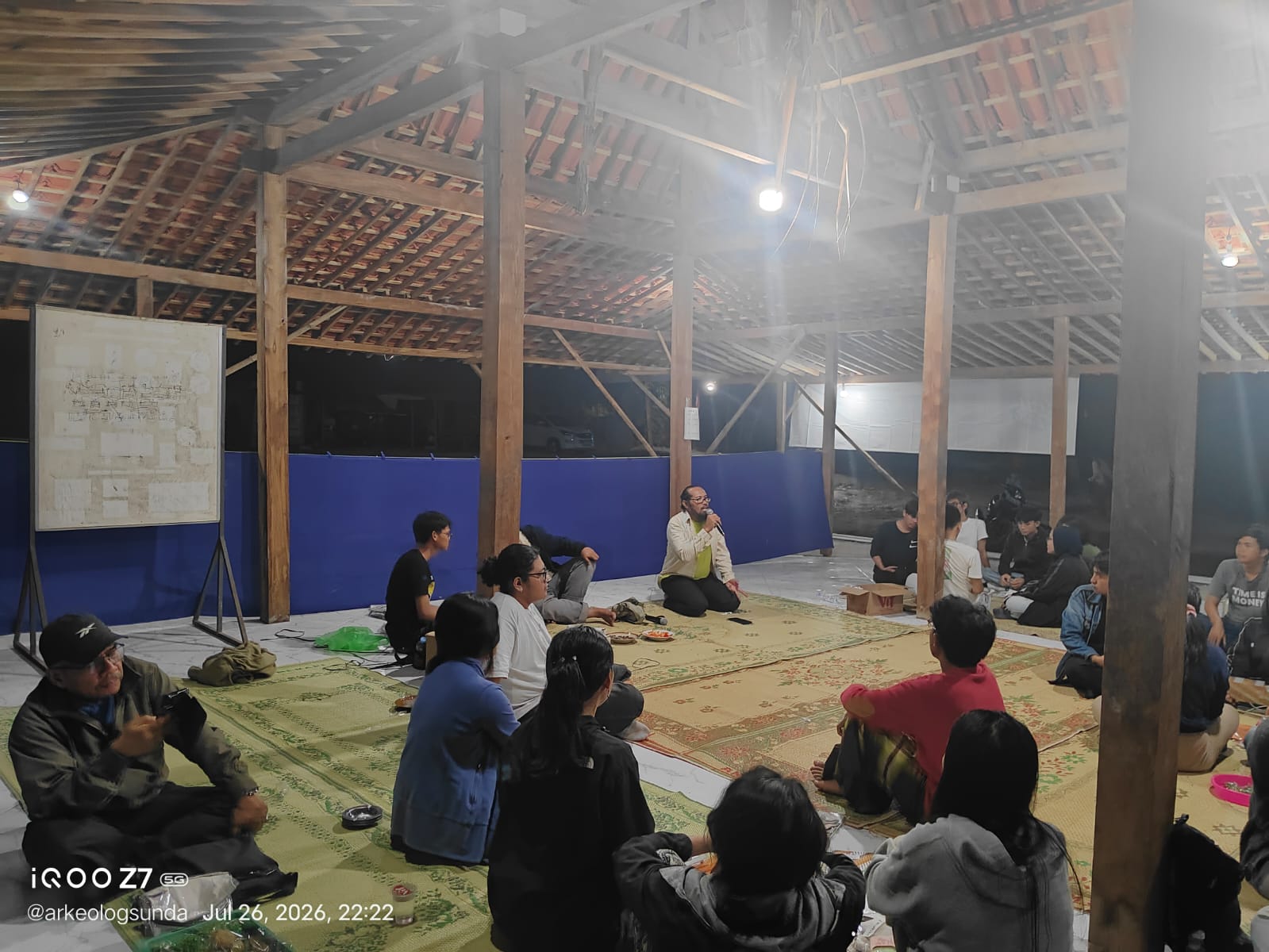
The active involvement of students in this field research represents a tangible implementation of the Key Performance Indicators (KPIs), particularly in terms of off-campus learning experiences, research collaboration, and the strengthening of academic networks.
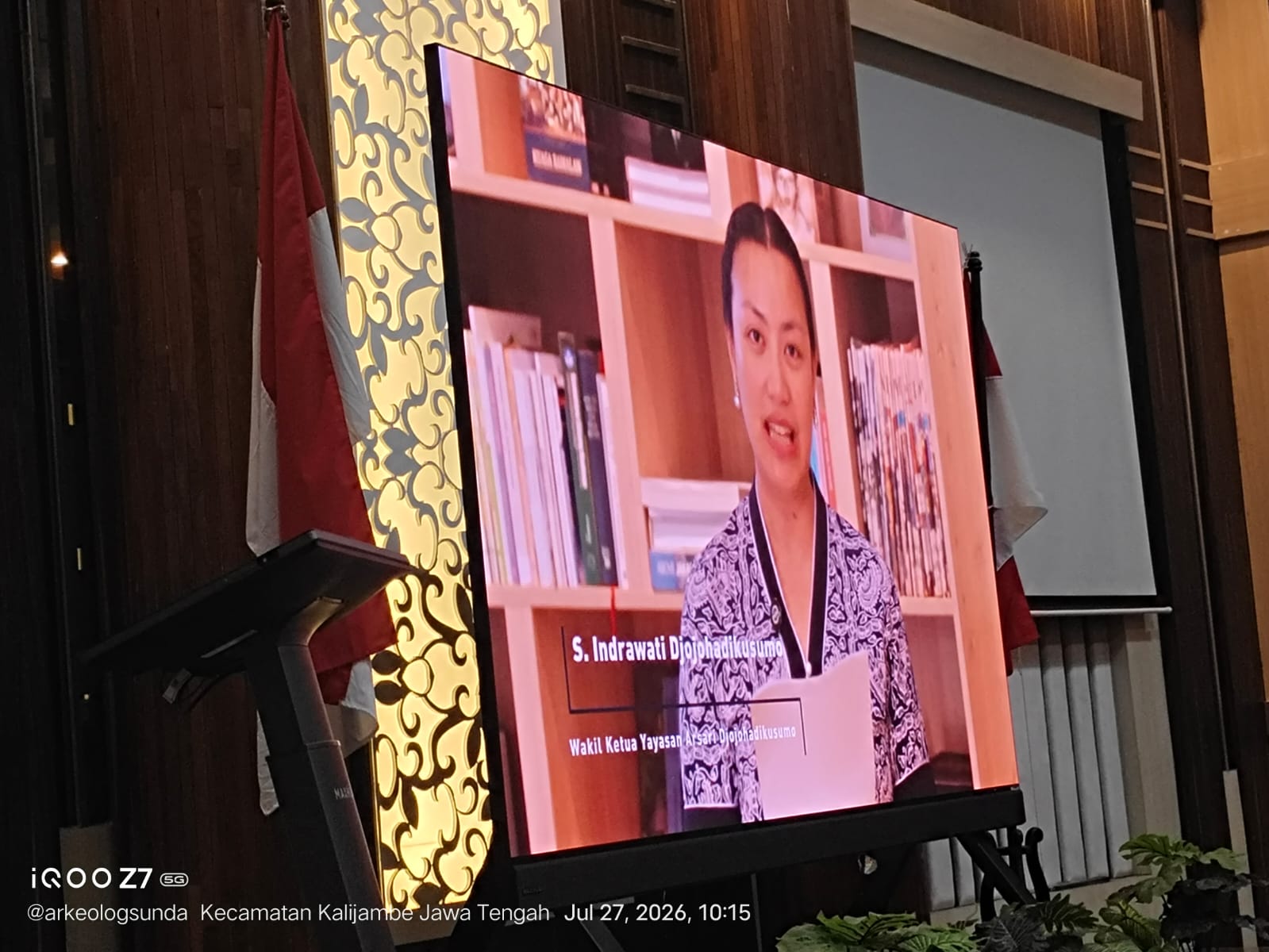
The opening ceremony of PATI 2026 took place on Monday, 27 July 2026 in the T. Jacob Hall at the Sangiran Early Man Museum – Krikilan Cluster. The programme began with the screening of a profile video of the Arsari Djojohadikusumo Foundation (YAD), followed by the opening address by the MC, the singing of three stanzas of the national anthem ‘Indonesia Raya’, and a joint prayer.
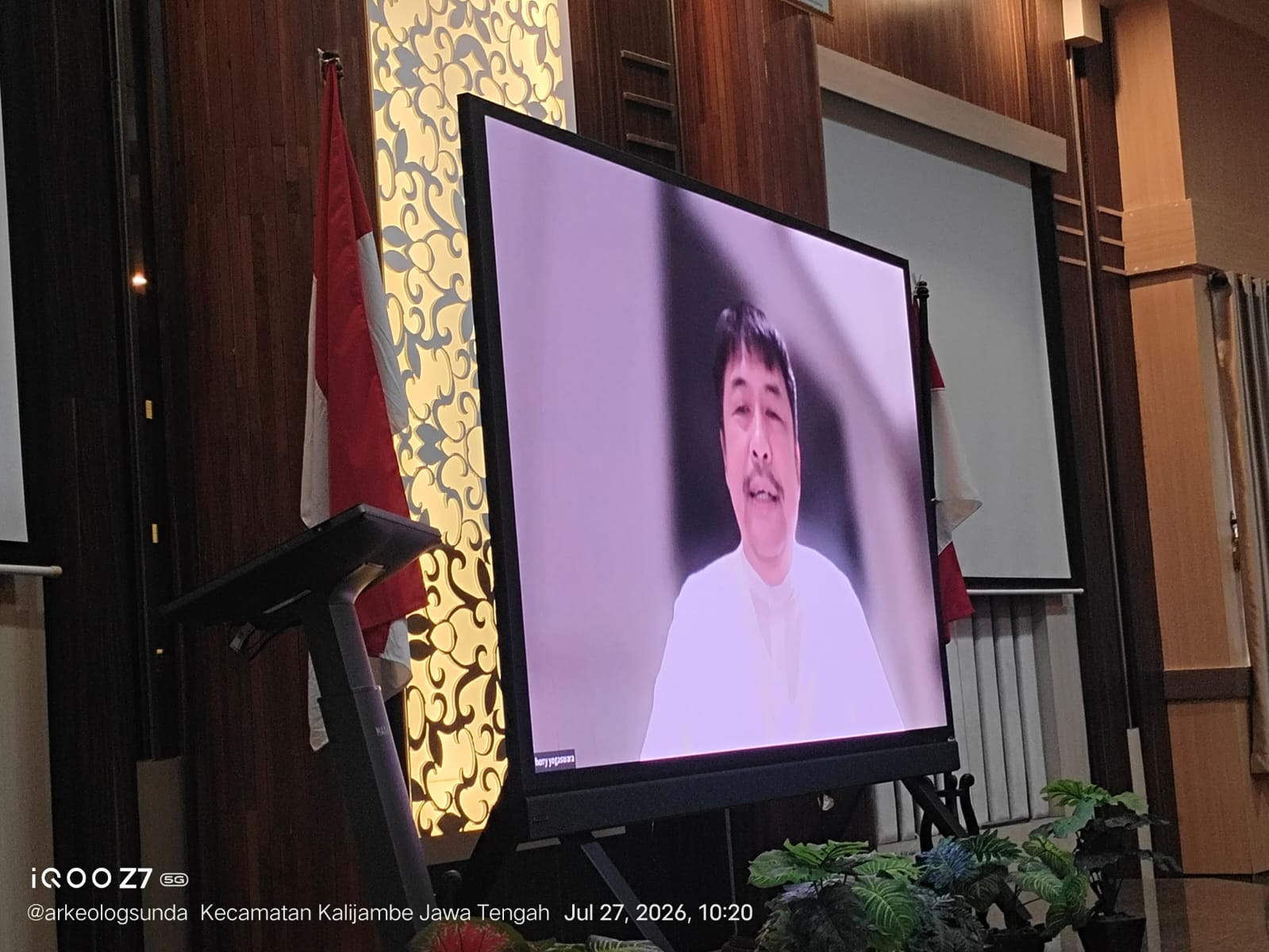
Following this, the organising committee presented a report on the event’s activities, followed by welcoming remarks from the Village Head of Manyarejo, the Head of the Sragen Regency Education and Culture Department, the Director of the Museum and Cultural Heritage, and the Chair of the IAAI. The highlight of the event was marked by a speech from the Deputy Chair of YAD, who also officially opened the event, as well as a keynote address from the Head of OR. ARBASTRA BRIN.
The event then continued with the introduction of participants, a group photograph, the cutting of the tumpeng, and a shared lunch on the museum veranda. In the afternoon, a meeting of the consortium of Archaeology Programme Heads from across Indonesia was held, which strengthened academic networks between study programmes.
Strategic Significance
The participation of the Archaeology Programme at the Faculty of Humanities, Hasanuddin University (Unhas), in PATI 2026 is not merely an academic contribution, but also a strategic step towards achieving the University’s Key Performance Indicators (KPIs). Students gain first-hand experience in the field, whilst lecturers act as mentors and bridge the gap between academic theory and research practice.
With the support of the Arsari Djojohadikusumo Foundation (YAD) and national coordination, PATI 2026 represents a significant opportunity for Unhas to strengthen its position as a centre of excellence for archaeological studies in Indonesia, whilst reaffirming the commitment of the Archaeology Programme at the Faculty of Humanities, Unhas, to producing graduates who are adaptable, collaborative and ready to face global challenges.