Department of History, Faculty of Cultural Sciences Unhas Holds Internship Preparation Session for K23 Students
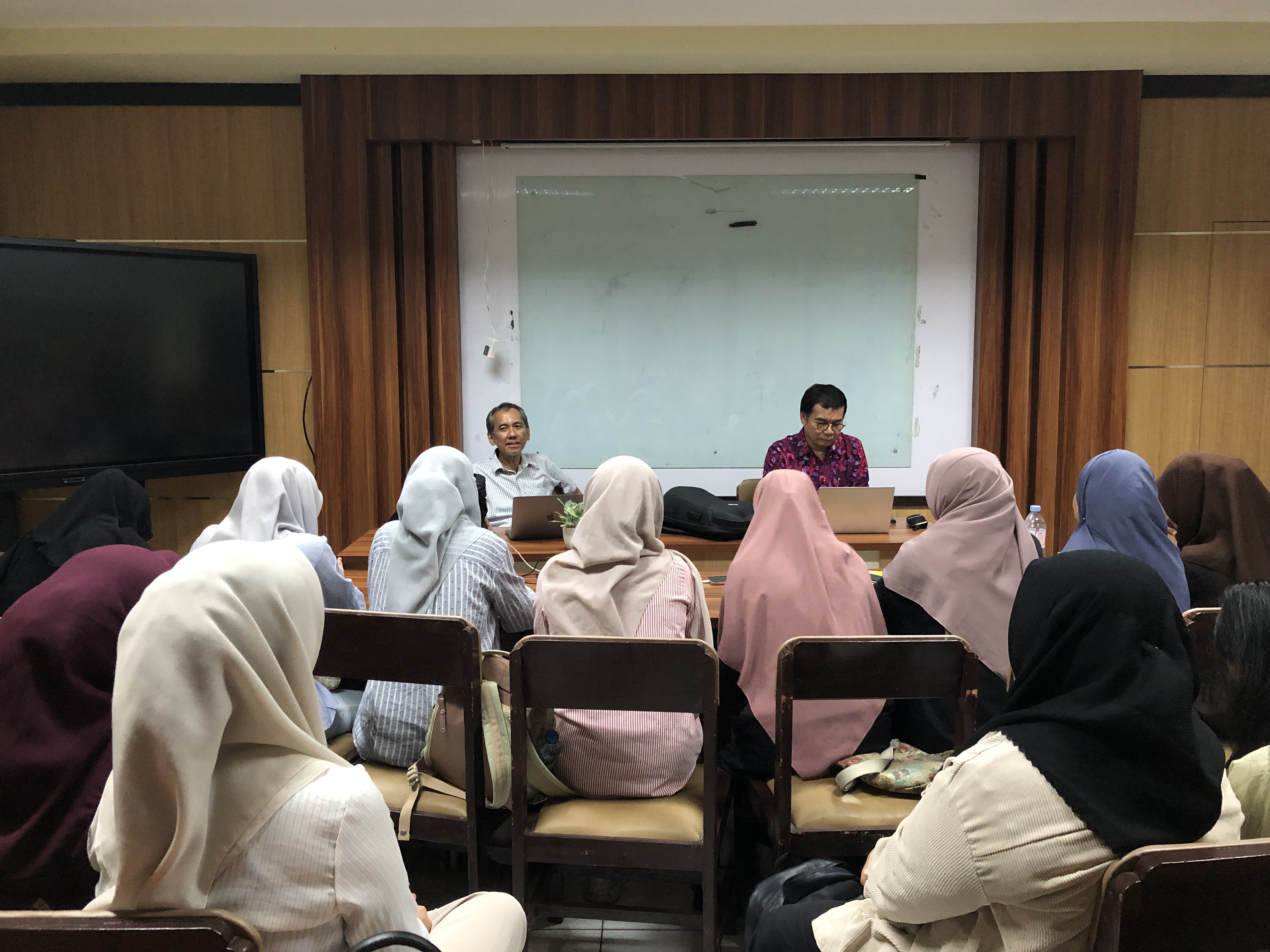
The Department of History, Faculty of Cultural Sciences, Hasanuddin University, held an internship preparation session on Monday, December 8, 2025. The session was attended by undergraduate students who will undertake internships from January to June 2026 as part of their 20-credit requirement under the K23 Curriculum (Independent Learning–Independent Campus Program). This activity served as an essential orientation before students begin their placements in various historical and cultural institutions.
The event featured presentations from faculty members of the Department of History, namely Dr. Muslimin A.R. Effendy, M.A., Head of the Department; Drs. Dias Pradadimara, M.S.; and Fajar Sidiq Limola, S.S., M.Hum. In his remarks, Dr. Muslimin emphasized the importance of internships as an opportunity to apply historical knowledge in professional contexts. He reminded students to uphold academic ethics, maintain discipline, and develop analytical and interpretive skills relevant to the field of history.
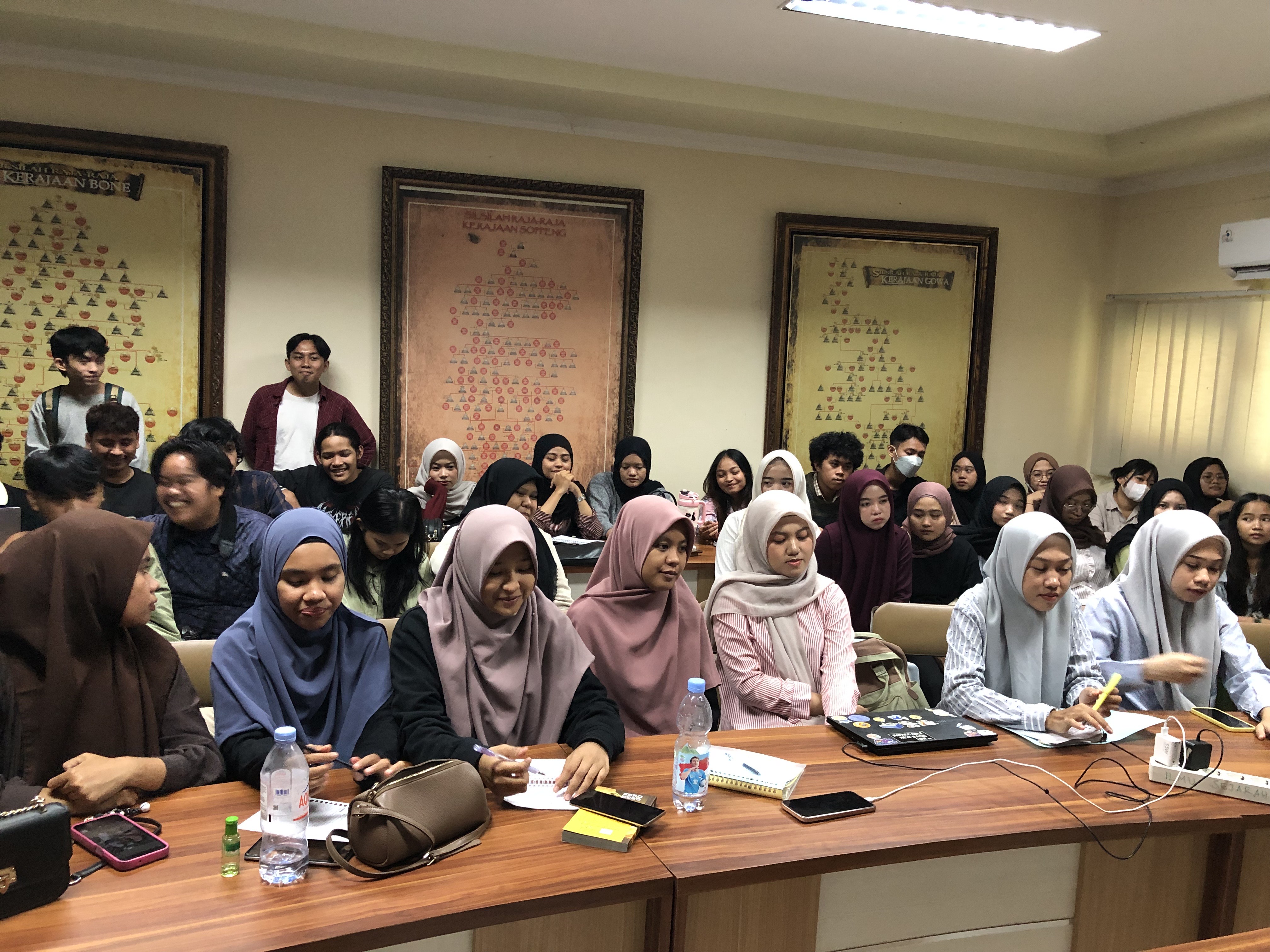
For the 2025–2026 academic period, students will be placed in several institutions across Java and South Sulawesi. In Java, internship destinations include historical and museum institutions such as the Vredeburg Fort Museum in Yogyakarta and the Sangiran Early Man Museum in Sragen, as well as several related offices in Yogyakarta and Central Java. Meanwhile, in South Sulawesi, students will intern at partner institutions such as the Naval Museum Makassar, the Provincial Department of Culture, and the Regional and City Archives Offices.
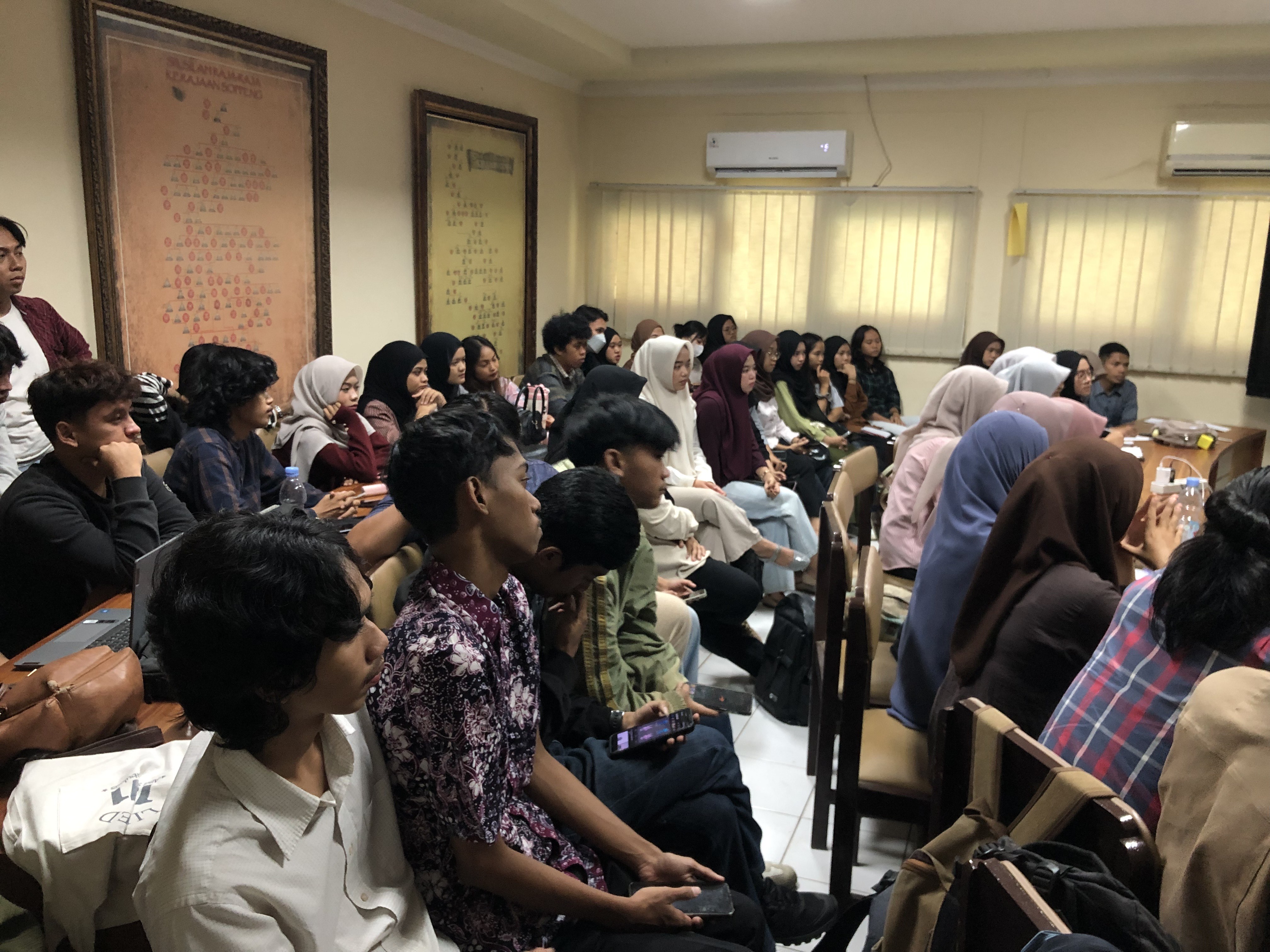
In addition to the lecturers’ presentations, the session included interactive discussions on internship procedures, report writing, and professional communication standards within host institutions. The speakers highlighted the importance of teamwork, adaptability, and methodological competence throughout the internship period.
Through this preparation program, the Department of History, Faculty of Cultural Sciences, Unhas hopes that students will be able to apply their academic knowledge in real-world settings, expand professional networks, and contribute to the preservation of the nation’s cultural and historical heritage. The event marks an important step in nurturing a new generation of historians equipped to work in both academic and practical historical environments.