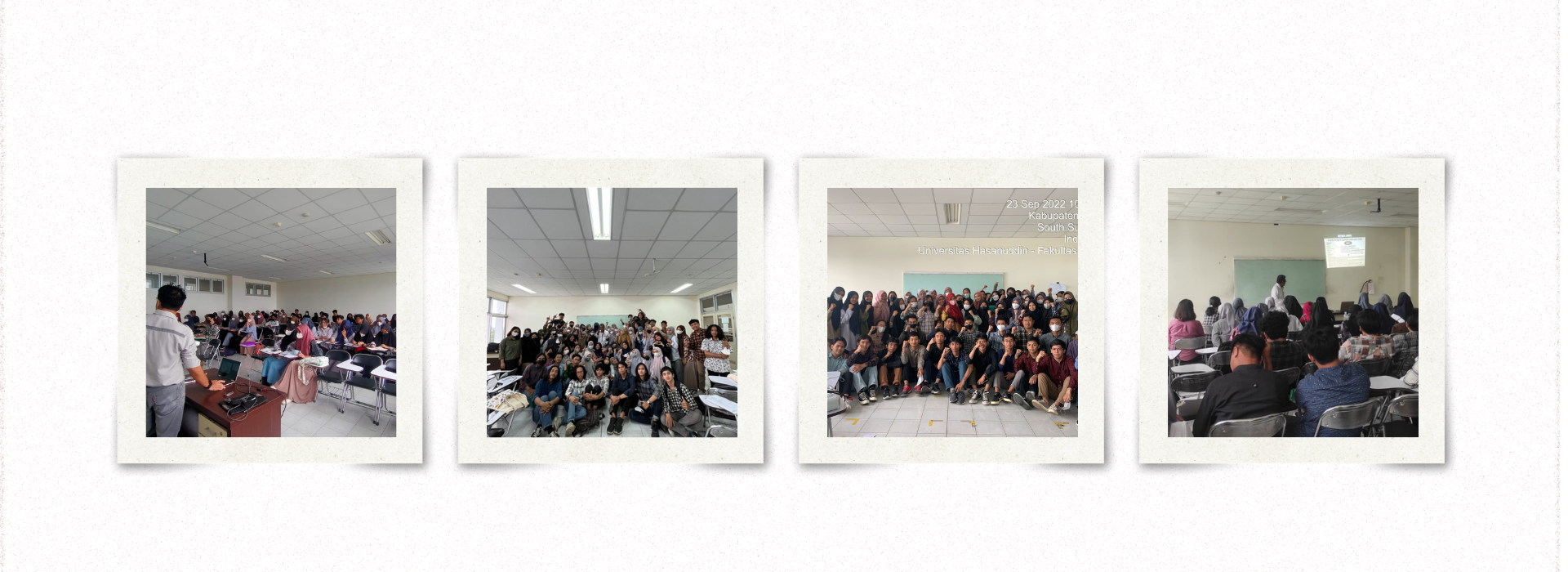
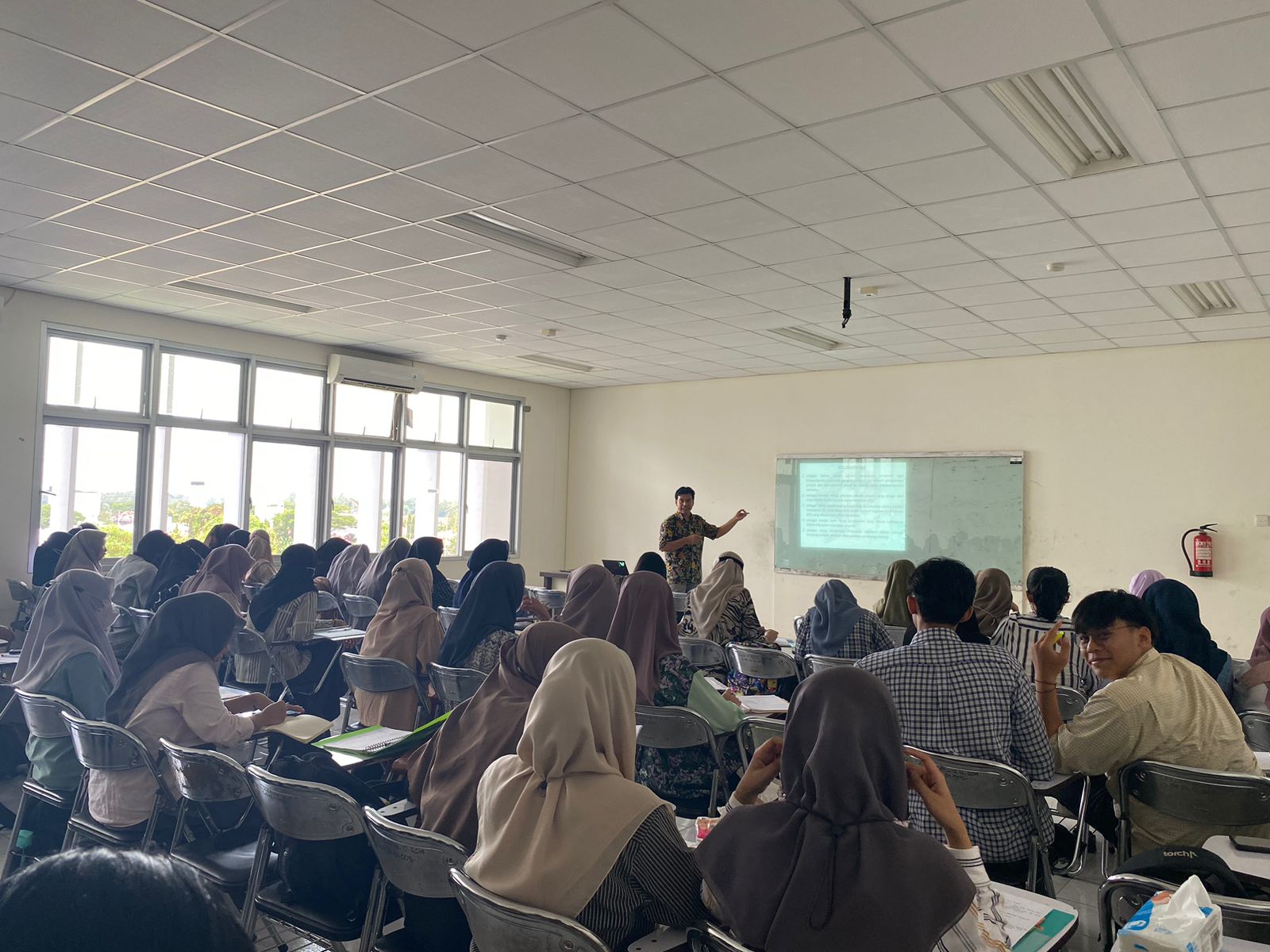
In support of strengthening the relevance of higher education to professional practice, the Undergraduate Program of Environmental Engineering, Faculty of Engineering, Hasanuddin University, involved industry practitioners in the delivery of three courses during the First Semester of the 2022/2023 Academic Year. The initiative reflects the program's ongoing commitment to integrating academic learning with practical experience through collaboration with professionals from industry.
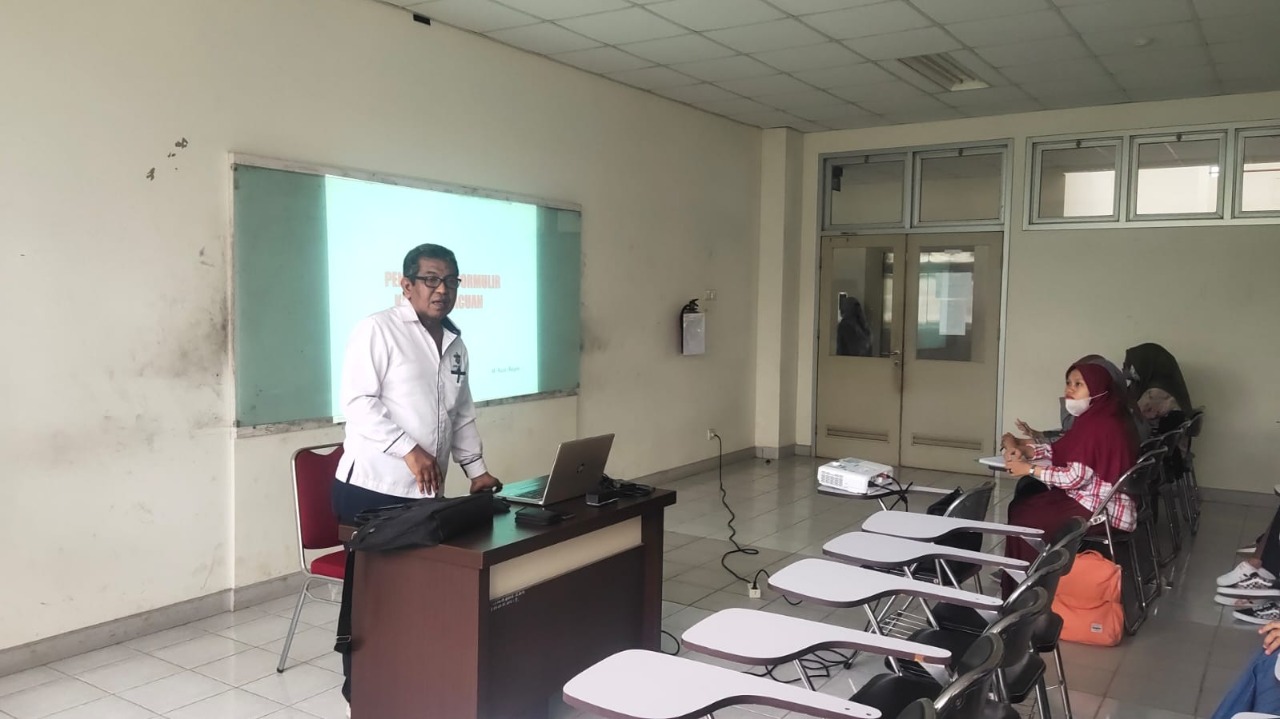
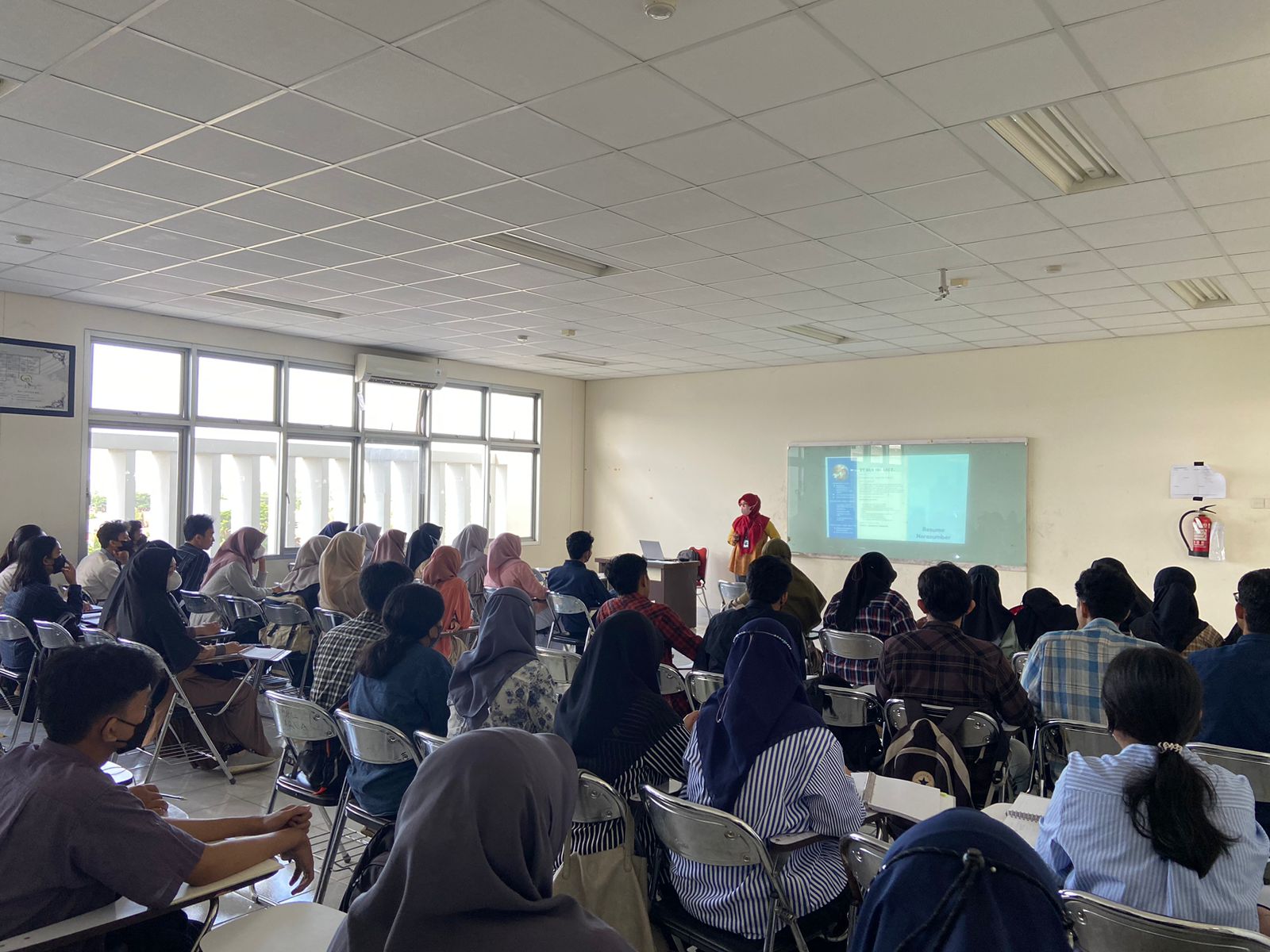
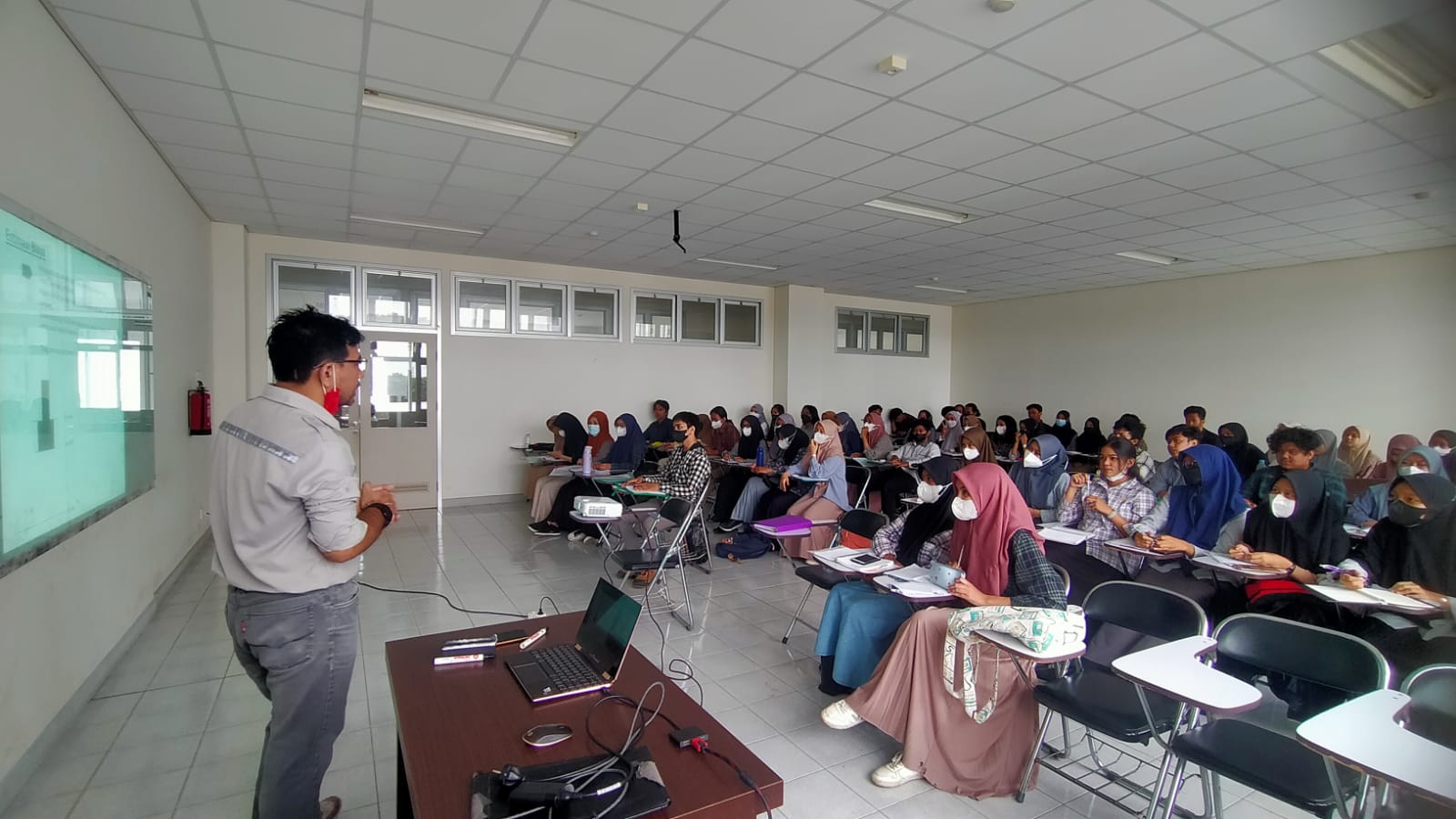
The three courses involving industry practitioners included Fundamentals of Environmental Impact Assessment (AMDAL) for Classes A and B, delivered by M. Rezki Bages, S.T. from the Center for Environmental Research and Development (Puslitbang-LH), Hasanuddin University; Project Management for Classes A and B, taught by Ir. Thony Arisano Hutabarat, S.T., IPM from PT Wijaya Karya; and Occupational Health and Safety Management for Class B, instructed by St. Nurinsani Tuanaya, S.Kom., Director of CV. Cipta Handalan Gemilang.
Throughout the course on Fundamentals of Environmental Impact Assessment (AMDAL), students were introduced to the principles, regulatory framework, and implementation of Environmental Impact Assessments through discussions based on professional practice. The sessions enabled students to gain a broader understanding of environmental assessment processes and the practical challenges encountered in infrastructure and development projects.
In the Project Management course, students were exposed to key aspects of project planning, scheduling, resource management, cost control, and risk mitigation. Practical case studies and professional experiences shared by the practitioner complemented the theoretical concepts taught in the curriculum and provided students with insights into project implementation in engineering practice.
Meanwhile, the Occupational Health and Safety Management course focused on the application of occupational health and safety principles in industrial settings. The learning sessions covered hazard identification, risk assessment, preventive measures, and the implementation of occupational health and safety management systems to support safe and sustainable workplace practices.
The involvement of industry practitioners in classroom teaching provided students with opportunities to relate theoretical knowledge to current professional practices while fostering a better understanding of the competencies required in the environmental engineering profession. The interaction also encouraged discussions on emerging issues, professional standards, and the challenges faced by environmental practitioners.
Through initiatives such as these, the Undergraduate Program of Environmental Engineering continues to strengthen collaboration with industry partners in support of an adaptive and practice-oriented learning environment. The program is expected to further enhance students' academic experience while preparing graduates with the knowledge, skills, and professional perspectives required to address contemporary environmental challenges.
Written by: Nisha Dwi Utami, S.IP.
Edited by: Nisha Dwi Utami, S.IP.
Photos by: Documentation Team, Undergraduate Program in Environmental Engineering, Universitas Hasanuddin