Islamic Archaeology Field Practice: Tracing Historical Traces in Majene
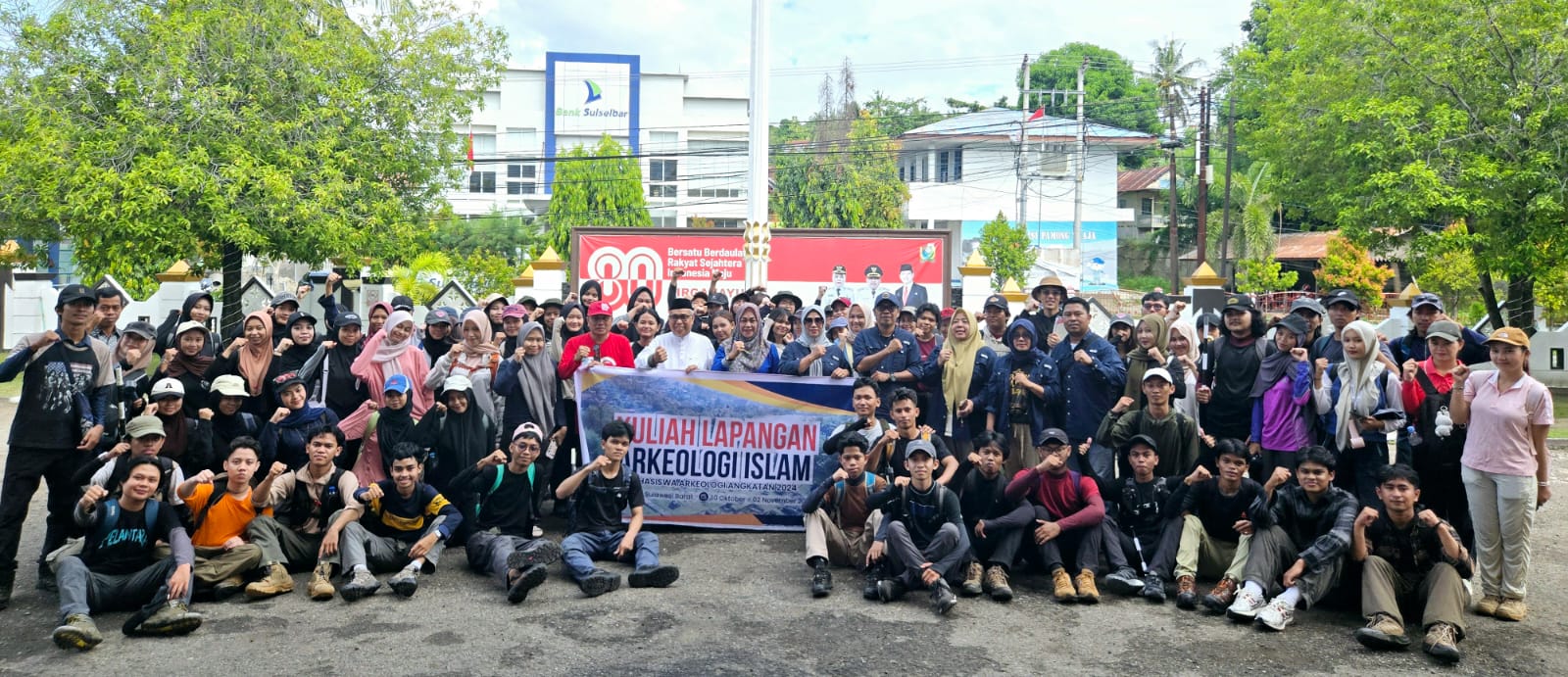
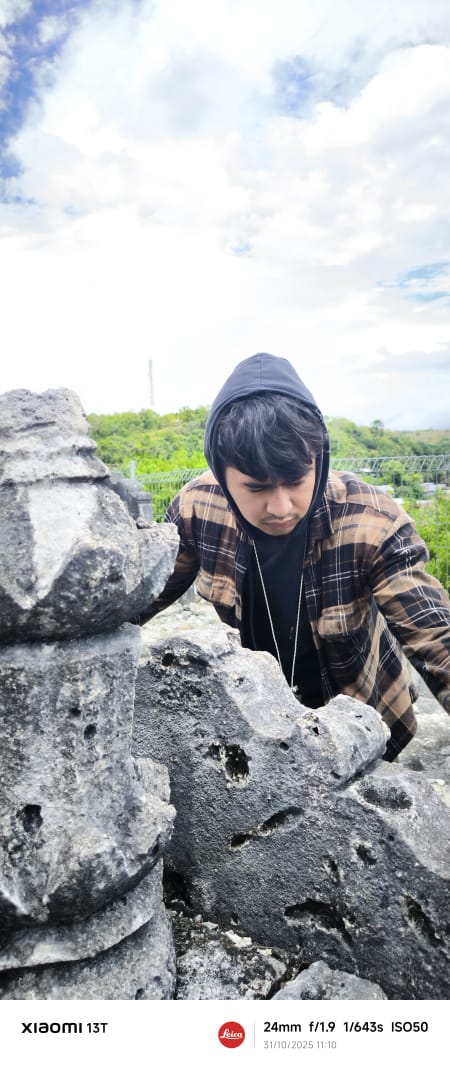
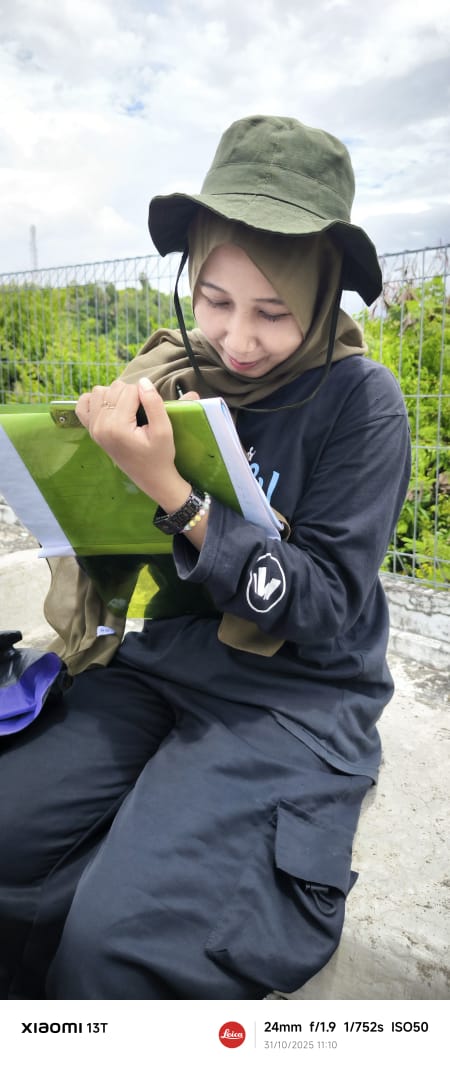
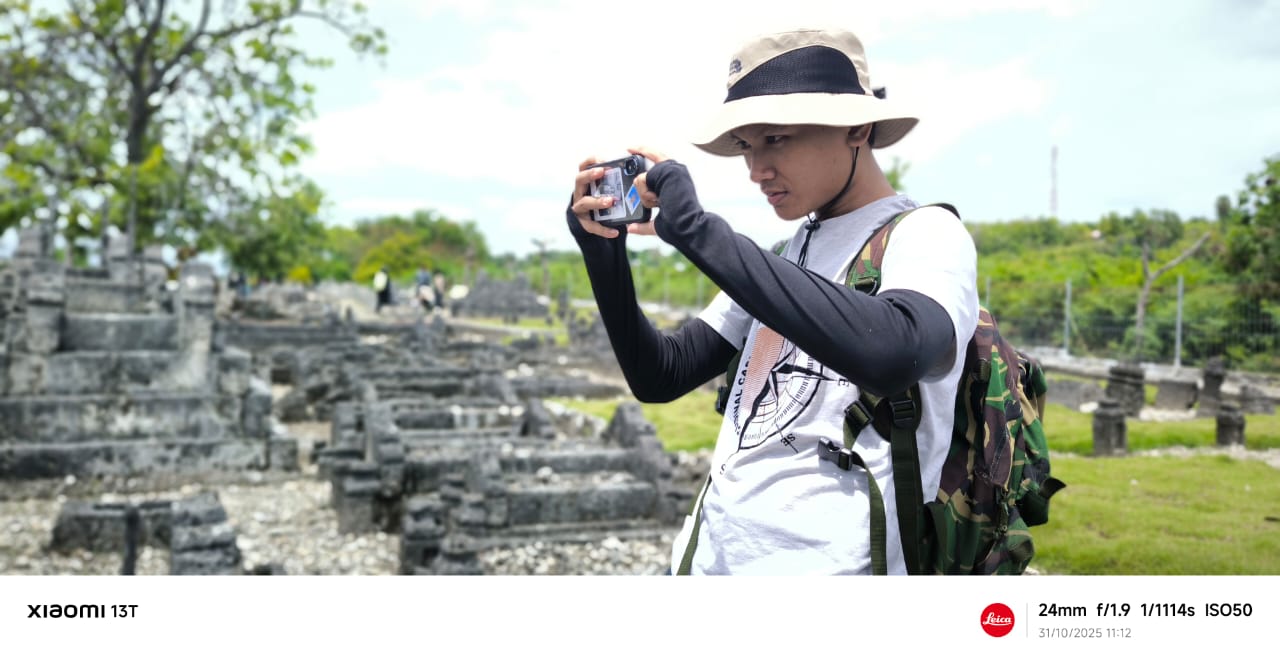
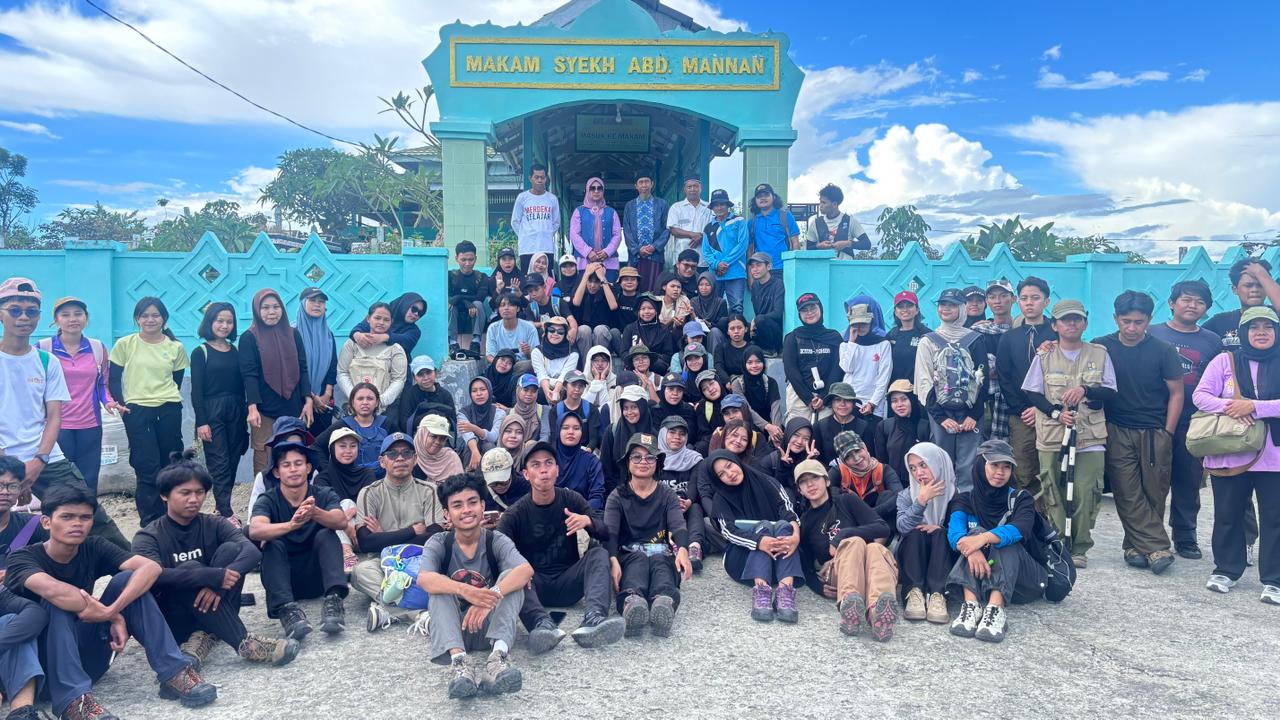
Majene, October 31 – November 2, 2025 — Students from the Archaeology Study Program at Hasanuddin University conducted fieldwork for their Islamic Archaeology course in Majene Regency, West Sulawesi. The activity lasted for three days and included exploration and documentation of various historical sites that reflect the Islamic heritage in the Mandar region.
Location
This field practice was conducted at five main sites of high historical and archaeological value:
- Hadat Banggae King's Tomb Complex
- Old Mosque of Salabose
- Syekh Abdul Mannan Tomb Complex
- Lombeng Susu Tomb Complex
- Mandar Museum, Banggae District
Each location serves as a learning space for students to understand the characteristics of local Islamic architecture, traditional burial systems, and the dynamics of Islam's spread in the coastal region of West Sulawesi.
Local Government Support
This activity received a warm welcome from the Majene Regency Government. During the opening session, students and accompanying lecturers were officially welcomed by the Deputy Regent of Majene, Dr. Hj. Andi Rita Mariani, M.Pd., along with her staff, the Head of Banggae Sub-district, and representatives from the Culture and Tourism Office. Their presence affirmed their shared commitment to the preservation and utilization of cultural sites as a source of learning and the development of history-based tourism.
Academic and Public Integration
Also attending this event were Lecturers Dr. Rosmawati, S.S., M.Si and Riska Faradila Nazar, S.S., M.Hum, Secretary of the Department of Archaeology, Faculty of Humanities, Hasanuddin University, Yusriana, S.S., M.A, Head of the Master's Program in Archaeology Dr. Khadijah Thahir Muda, M.Si and Head of the Bachelor's Program in Tourism Dr. Supriadi, S.S., M.A, as well as the Head of the Archaeology Department Secretariat, who encouraged interdisciplinary collaboration in understanding the potential of Islamic heritage as part of the grand narrative of the history of the archipelago. Students not only conducted observations and documentation but also engaged in discussions with community leaders and site managers to uncover the local significance embedded in each artifact.
Documentation and Follow-up Plans
In addition to field activities, the team also conducted visual and narrative documentation that will be included in academic reports and digital publications. In the closing session, it was agreed that a similar agenda would be continued in the coming year with official acceptance from the local government, opening up wider opportunities for research, education, and cultural promotion.
 |
 |
 |
|
 |
|