Lecturers and Students from the Department of Archaeology at UNHAS Are Directly Involved in the Conservation of the Metal Artefacts Collection at the Makassar City Museum
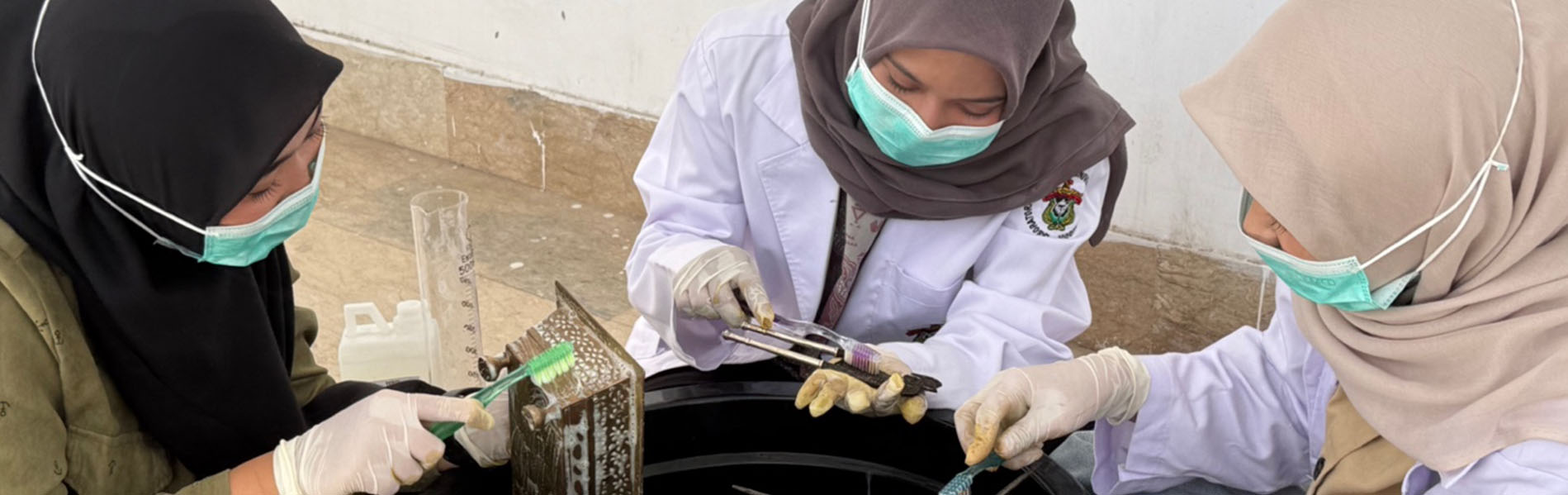
Makassar – The Makassar City Museum is carrying out a metal artefact conservation programme as part of its efforts to preserve and maintain the museum’s collection. This initiative is a project of the Makassar City Museum funded through the Non-Physical Special Allocation Fund (DAK) for the 2026 financial year, with Dewi Anggraini, S.S., acting as project manager. The conservation work took place over approximately one week, namely on Thursday, 13 August 2026; Friday, 14 August 2026; Tuesday, 18 August 2026; and Wednesday, 19 August 2026. During the project, the conservation team treated 28 metal artefacts, including several collections of artefacts of significant historical and cultural value to the Makassar City Museum.
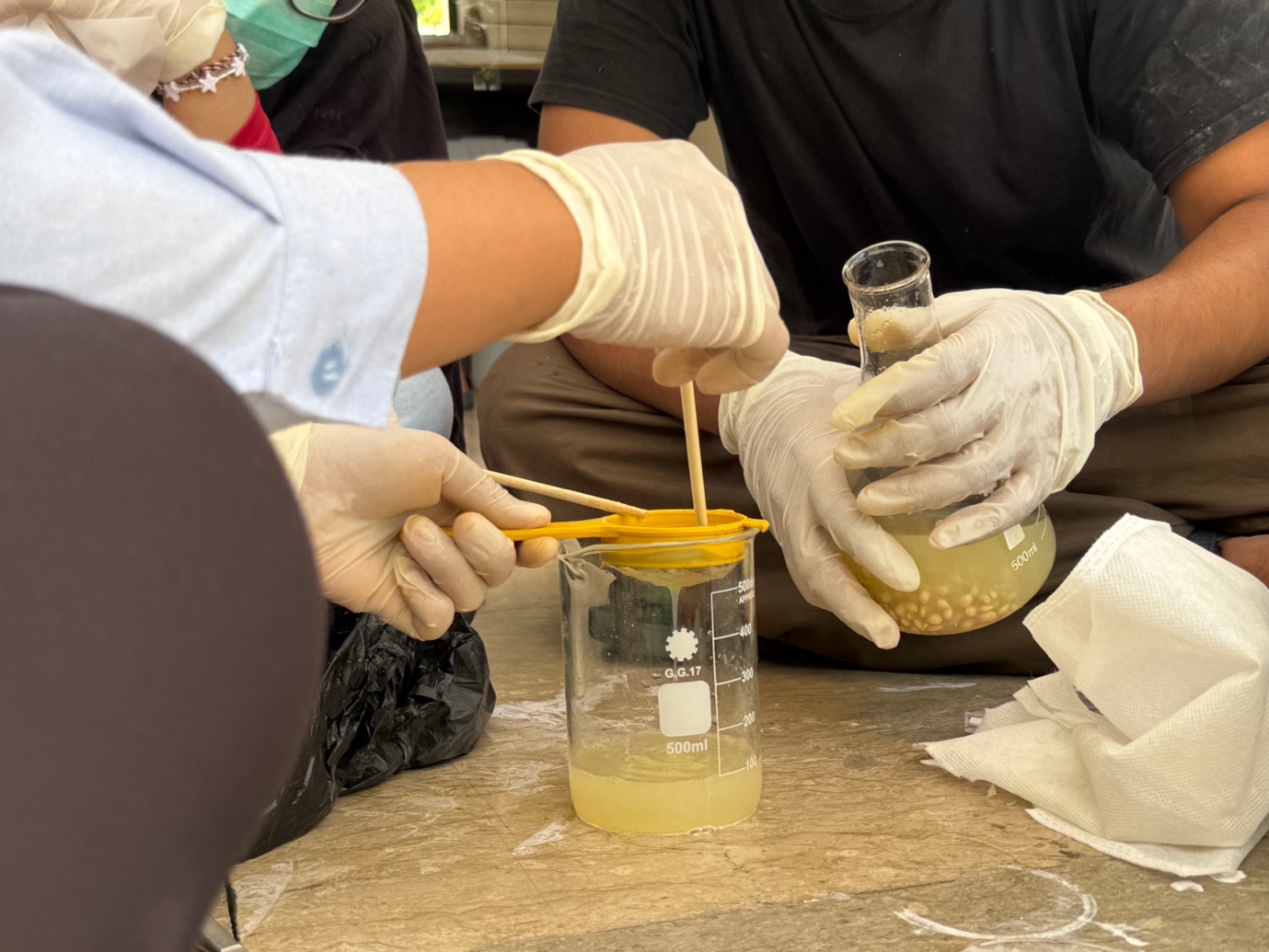
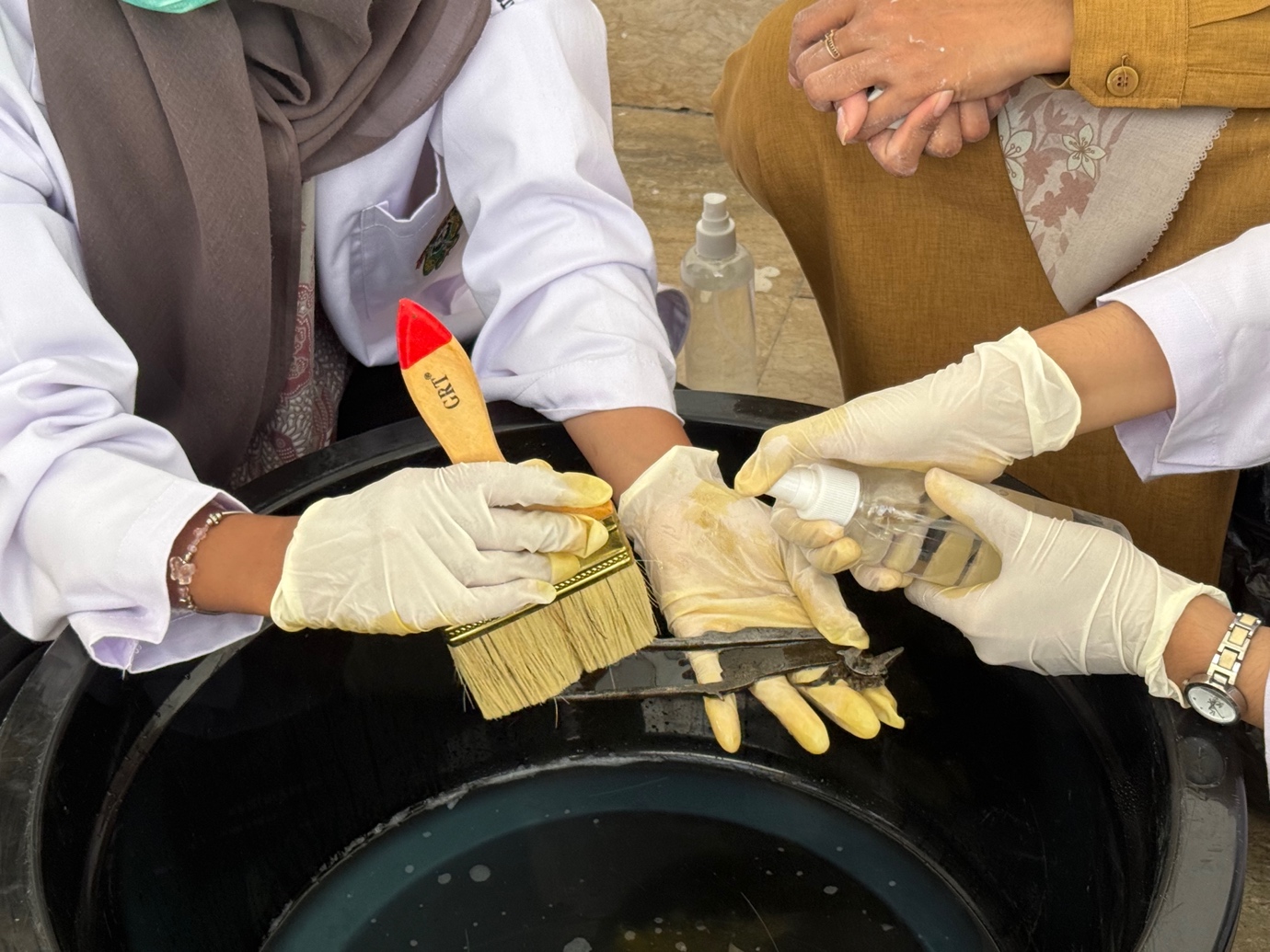
The conserved collection comprises various types of metal objects, including samovar kettles, pekinangan, kappara, opium pipes, bowls, betel nut crushers, lamps, spittoons, betel leaf containers, gutters and various other traditional items. The conservation process is carried out to maintain the physical condition of the collection, halt the degradation of materials, and preserve the historical and aesthetic value of the objects so that they can continue to be studied and utilised as a source of cultural information. In this project, the conservation methods applied utilise an interventionist approach, combining synthetic and organic chemicals through a ‘green conservation’ approach. The use of environmentally friendly materials is part of an effort to find conservation methods that are both effective and safe for the collection, the environment, and those carrying out the work. In addition to the physical conservation process, a pilot documentation project using photogrammetry techniques was carried out on two items as an initial step towards developing a digital documentation system for the museum’s collection.
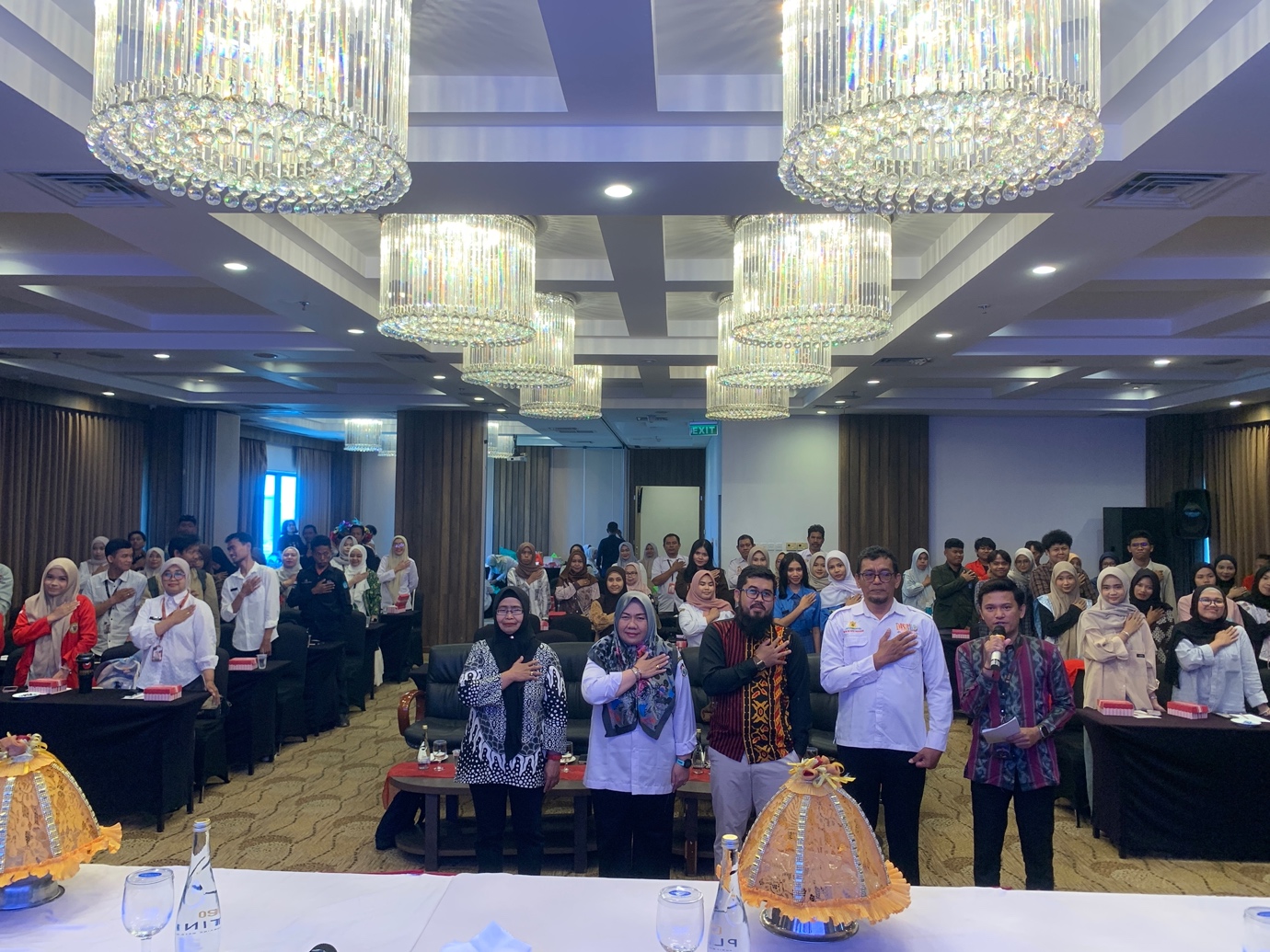
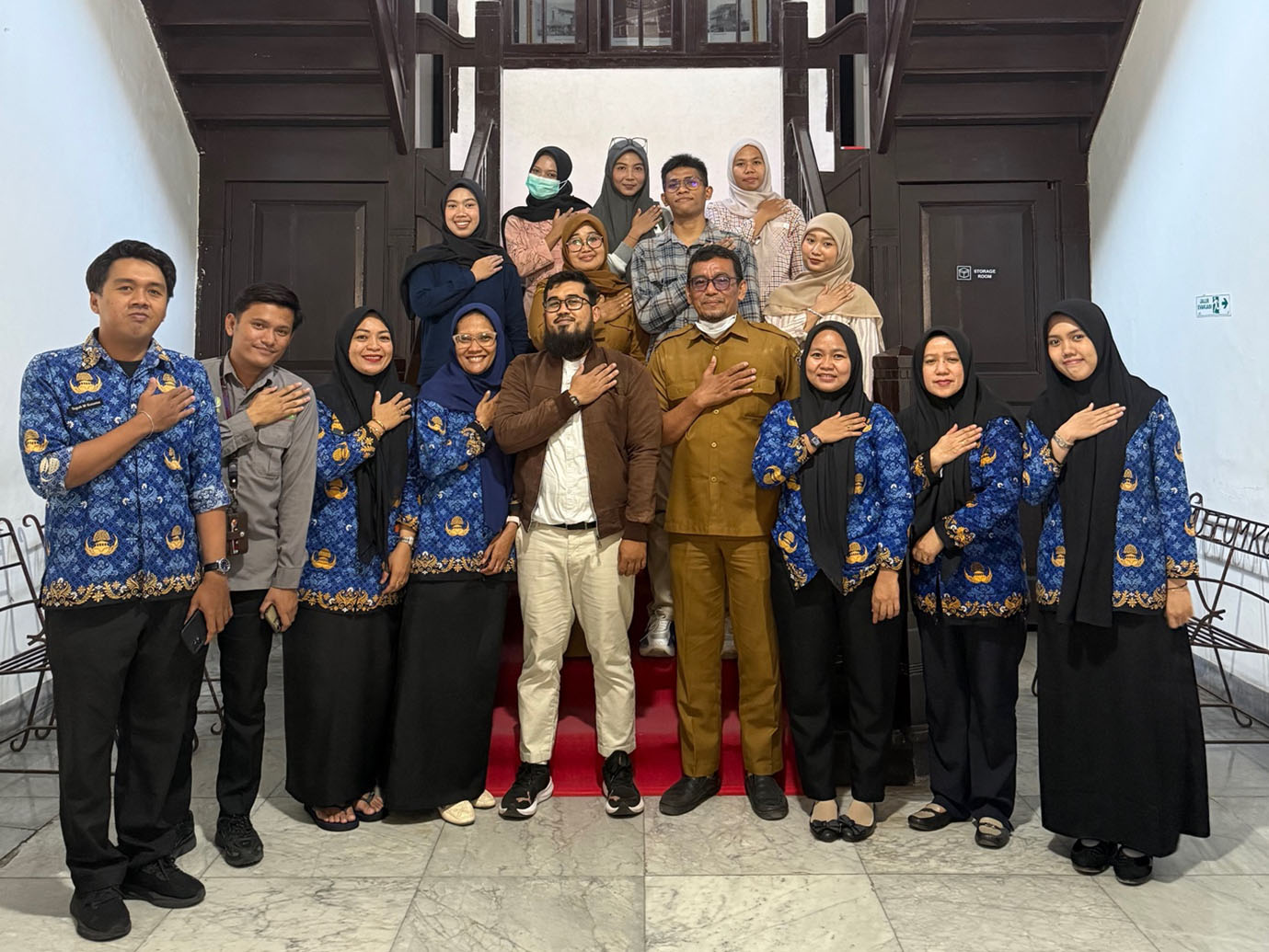
The implementation of this conservation project was supervised by Erwin Mansyur Ugu Sarak from the Department of Archaeology at Hasanuddin University and Ariyanto from the South Sulawesi Provincial Department of Culture and Tourism. The project also involved 10 students from the Archaeology Programme at Hasanuddin University, led by Nurhikmah Ramadhani, as part of a collaboration between the museum, academics, the government and the younger generation in the field of cultural heritage conservation. Based on the evaluation of the activities, the use of natural conservation agents proved effective in treating metallic materials. Meanwhile, the use of synthetic agents was also found to be quite effective in removing rust, dirt and patina adhering to the surfaces of the artefacts. However, it was found that some synthetic agents could cause slight discolouration on the surfaces of the artefacts, so further consideration is required regarding their use.
The findings of this project recommend that, in future, the conservation of metal artefacts should focus more on the use of organic materials—or ‘green conservation’—which are more environmentally friendly and capable of preserving the original character of the collection. It is hoped that this approach will serve as a sustainable alternative conservation method for safeguarding the museum’s metal collection. Once the conservation process is complete, the entire treated collection will be returned to the Makassar City Museum’s storage facility for the next stage: a more in-depth study of the collection before it is prepared for display in the museum’s exhibition spaces. Through these conservation activities, the Makassar City Museum demonstrates its commitment to safeguarding cultural heritage, not only through the storage of the collection, but also through scientific efforts to care for, document and ensure that the collection retains its educational value for the public and future generations.