The Department of Archaeology at Hasanuddin University Attends a Preparatory Meeting for the Revalidation of the Maros–Pangkep UNESCO Global Geopark
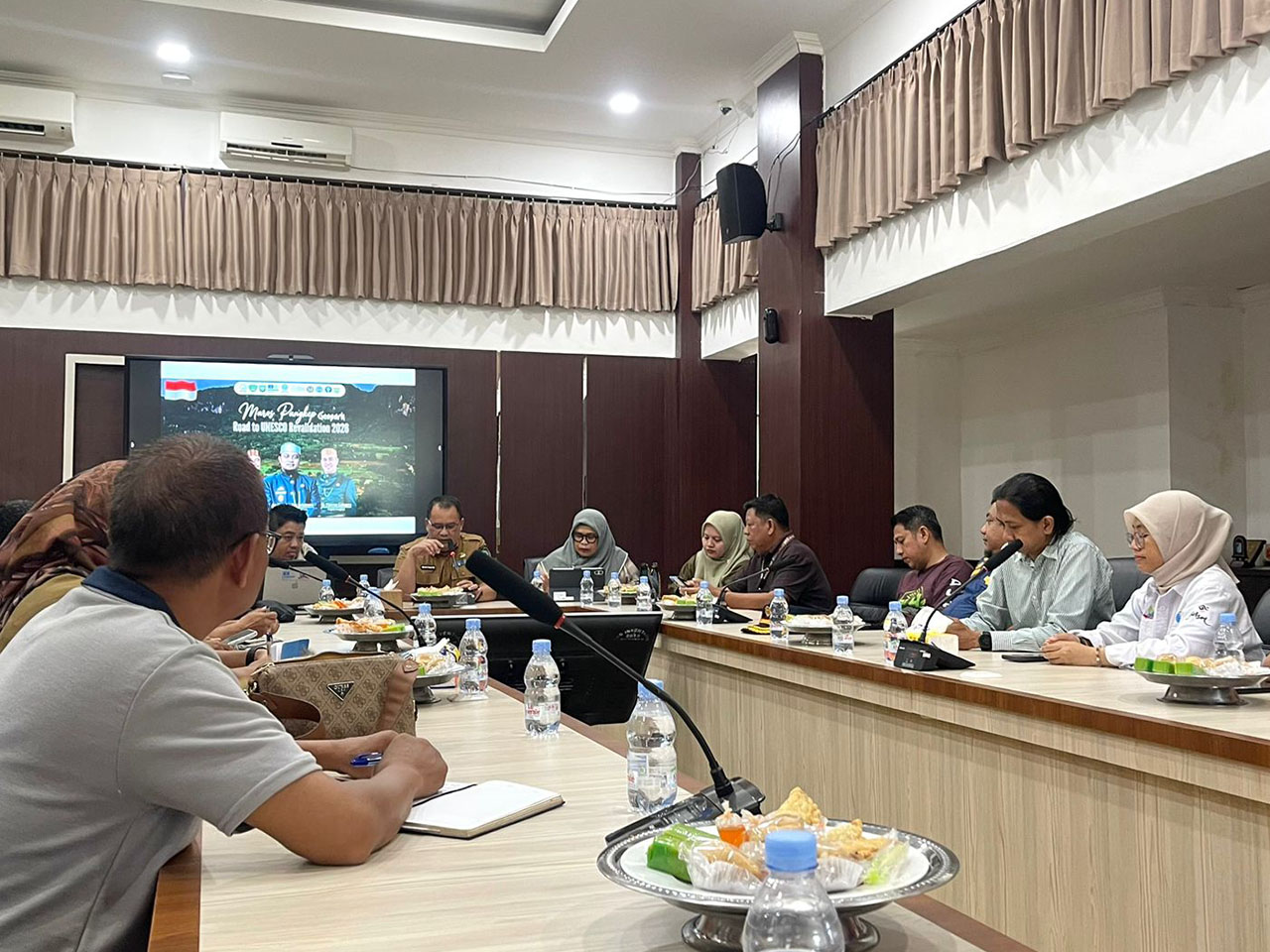
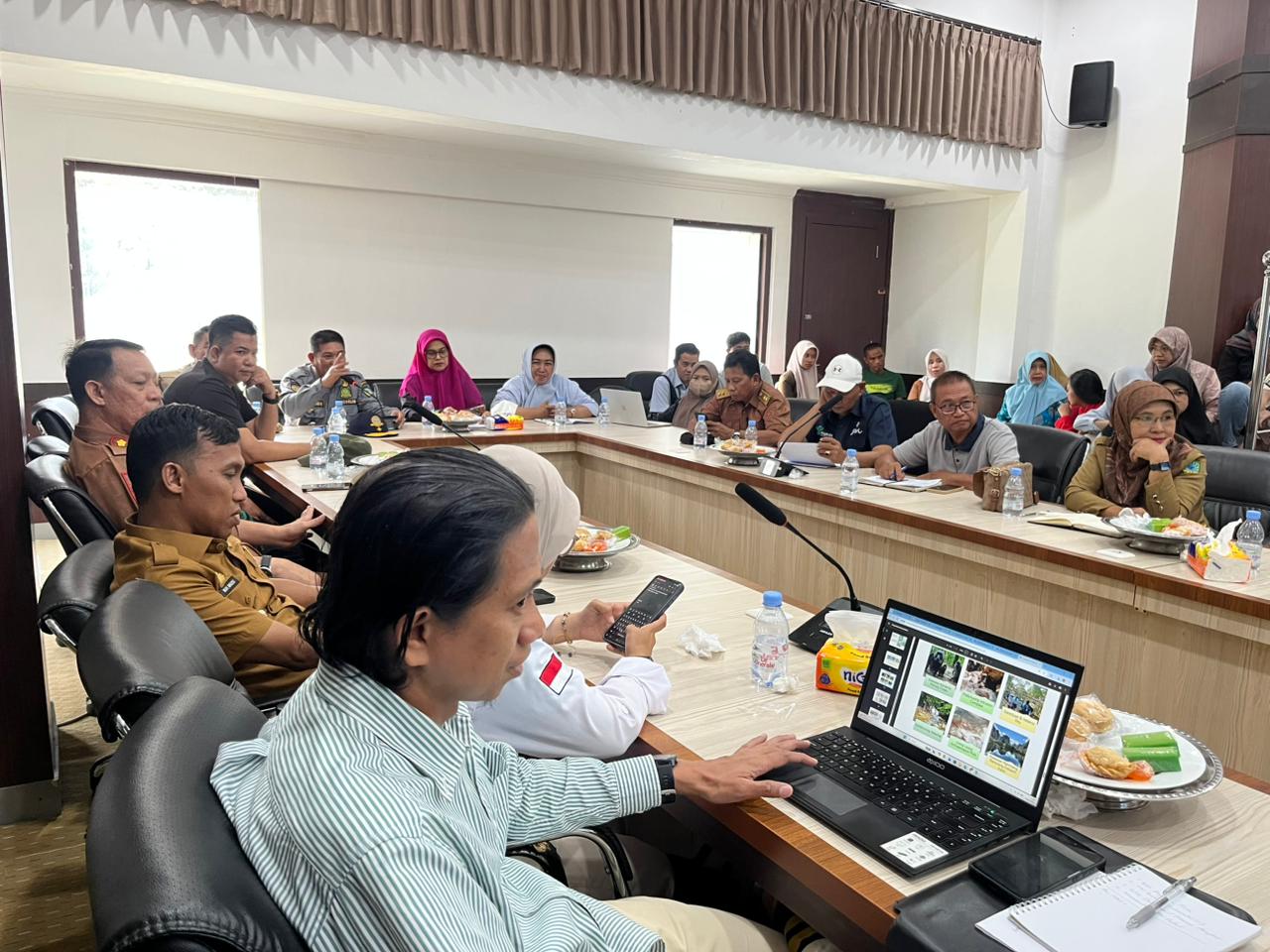
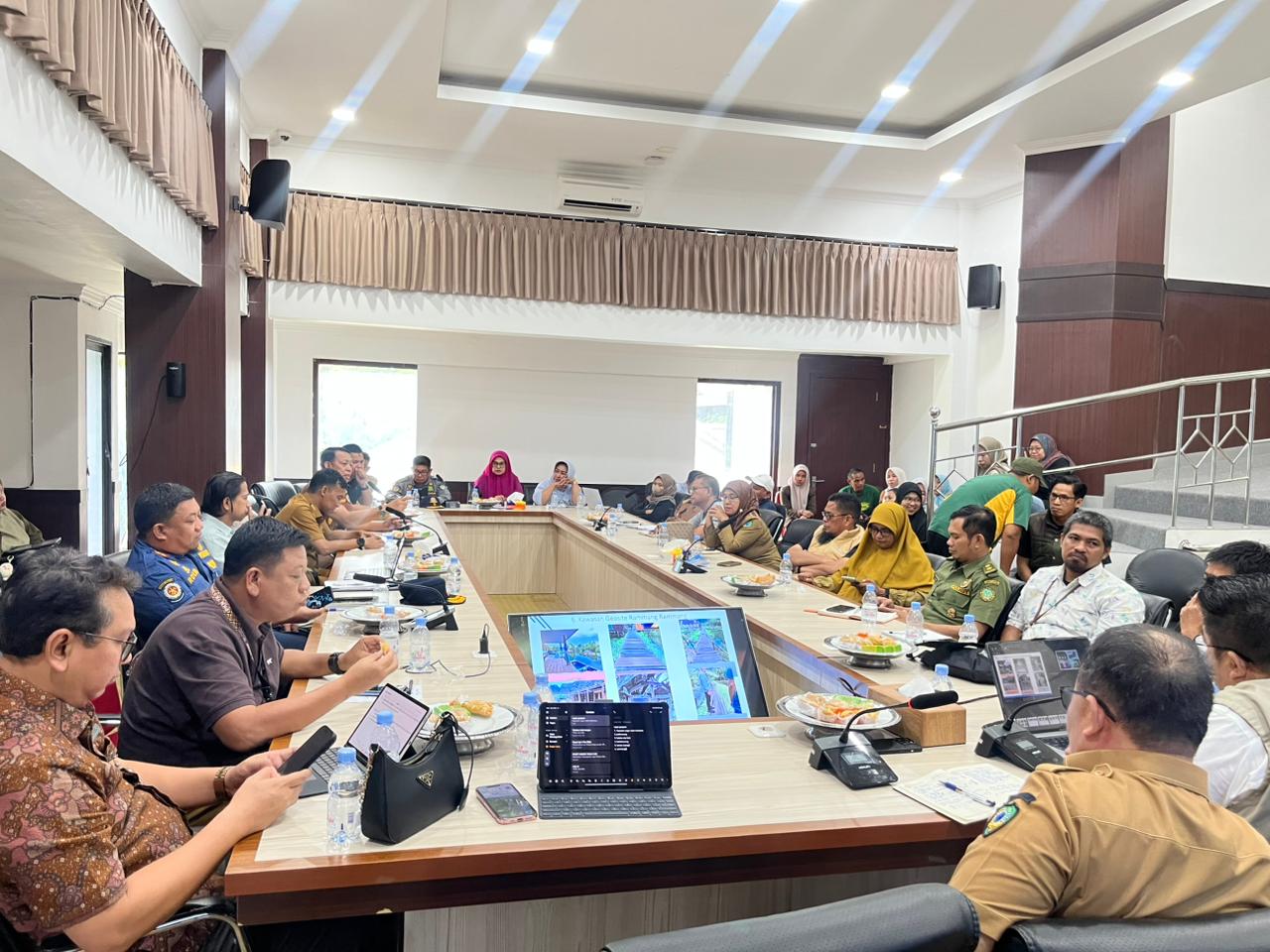
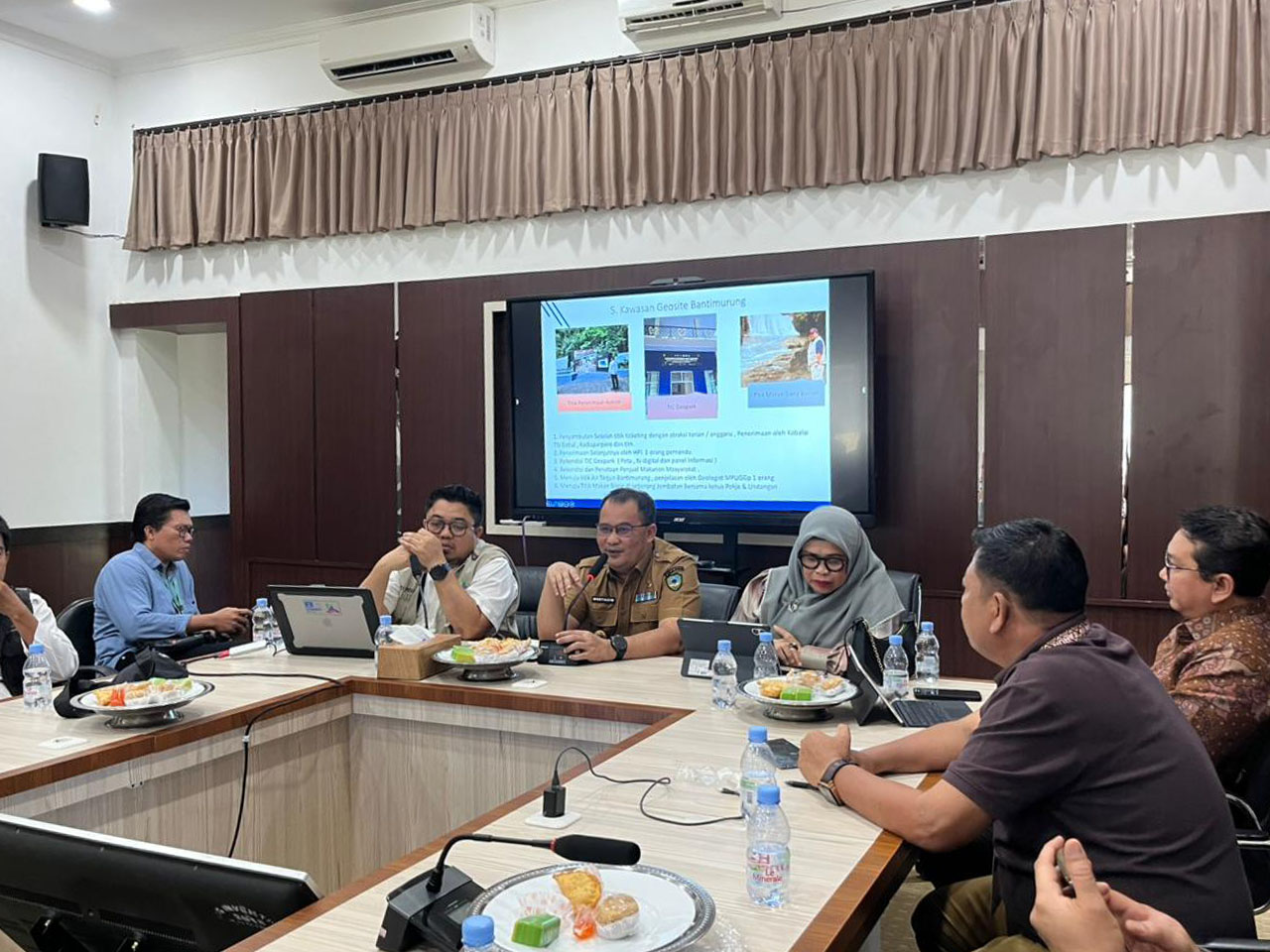
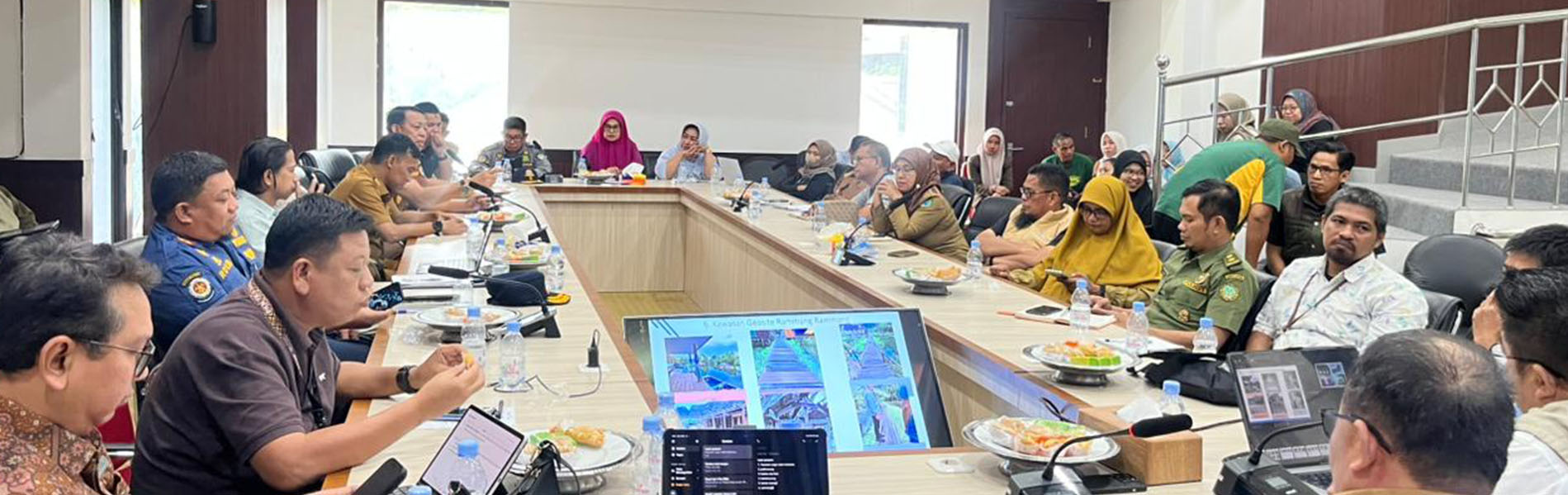
Maros, 5 May 2026 – The Maros Regency Government held a coordination meeting to prepare for the revalidation of the Maros–Pangkep UNESCO Global Geopark in the Deputy Regent of Maros’s meeting room. This meeting marked an important step ahead of the visit by the UNESCO assessment team in July 2026.
The meeting was attended by various stakeholders, ranging from government agencies, geopark managers, academics, to the private sector. The Department of Archaeology at Hasanuddin University was represented by Riska Faradilla, M.Hum, who reaffirmed the academic community’s commitment to supporting the conservation of the geological and cultural heritage of the Maros–Pangkep karst region.
The Deputy Regent of Maros, Muetazim Mansyur, stressed that the UNESCO Global Geopark status must be maintained, despite damage to some facilities within the geopark. “We will do our utmost to ensure that the Maros–Pangkep Global Geopark status does not deteriorate as it did in Toba,” he said. He added that repairs to the facilities are urgent but can still be managed with joint budgetary support, including through corporate social responsibility (CSR) initiatives.
Dedy Irfan, General Manager of the Maros–Pangkep Geopark Management Board, explained that his organisation had proposed a budget of around Rp1 billion for improvements to the sites to be visited by the assessors. The main focus is on access roads in Berua and a number of minor facilities, whilst major improvements such as the Pattunuang suspension bridge are still awaiting further funding allocation.
The presence of the Department of Archaeology at the University of Hasanuddin, represented by Riska Faradilla, M.Hum, underscored the role of academics within the geopark’s pentahelix management framework. In addition to supporting conservation efforts, the Department of Archaeology is also committed to strengthening the cultural and educational dimensions, including the preservation of prehistoric sites that form an integral part of the Maros–Pangkep karst region.
This coordination meeting serves as a crucial opportunity to strengthen cross-sectoral synergy. With the support of the government, academia, the community, and the private sector, it is hoped that the status of the Maros–Pangkep UNESCO Global Geopark will be maintained as a source of pride for South Sulawesi and Indonesia.