To Strengthen Competencies and Key Performance Indicator (KPI) Achievements, Unhas Archaeology Students Present Their Internship Work Programme at the Sulawesi Archaeology Research Centre (PKR)
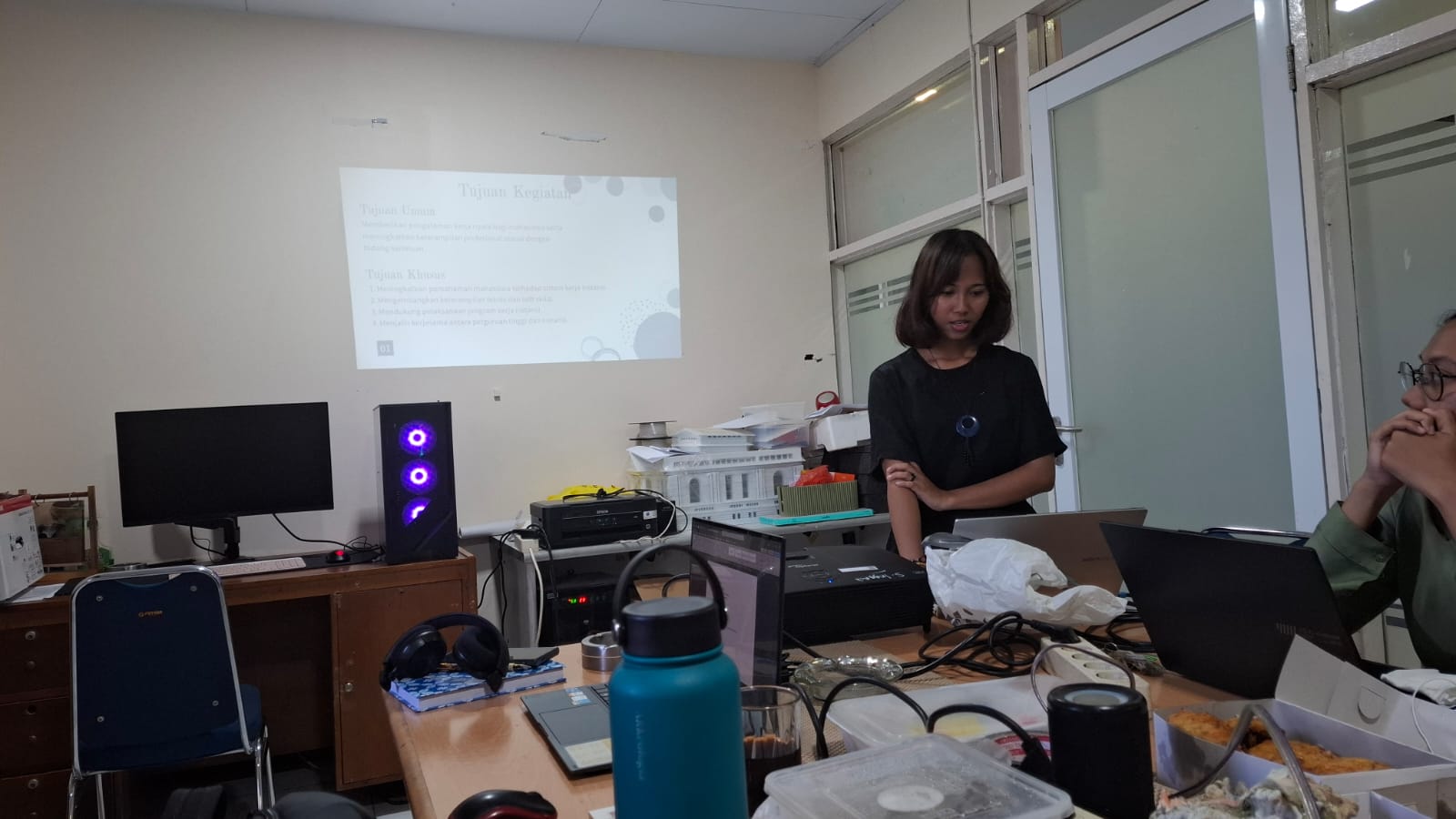
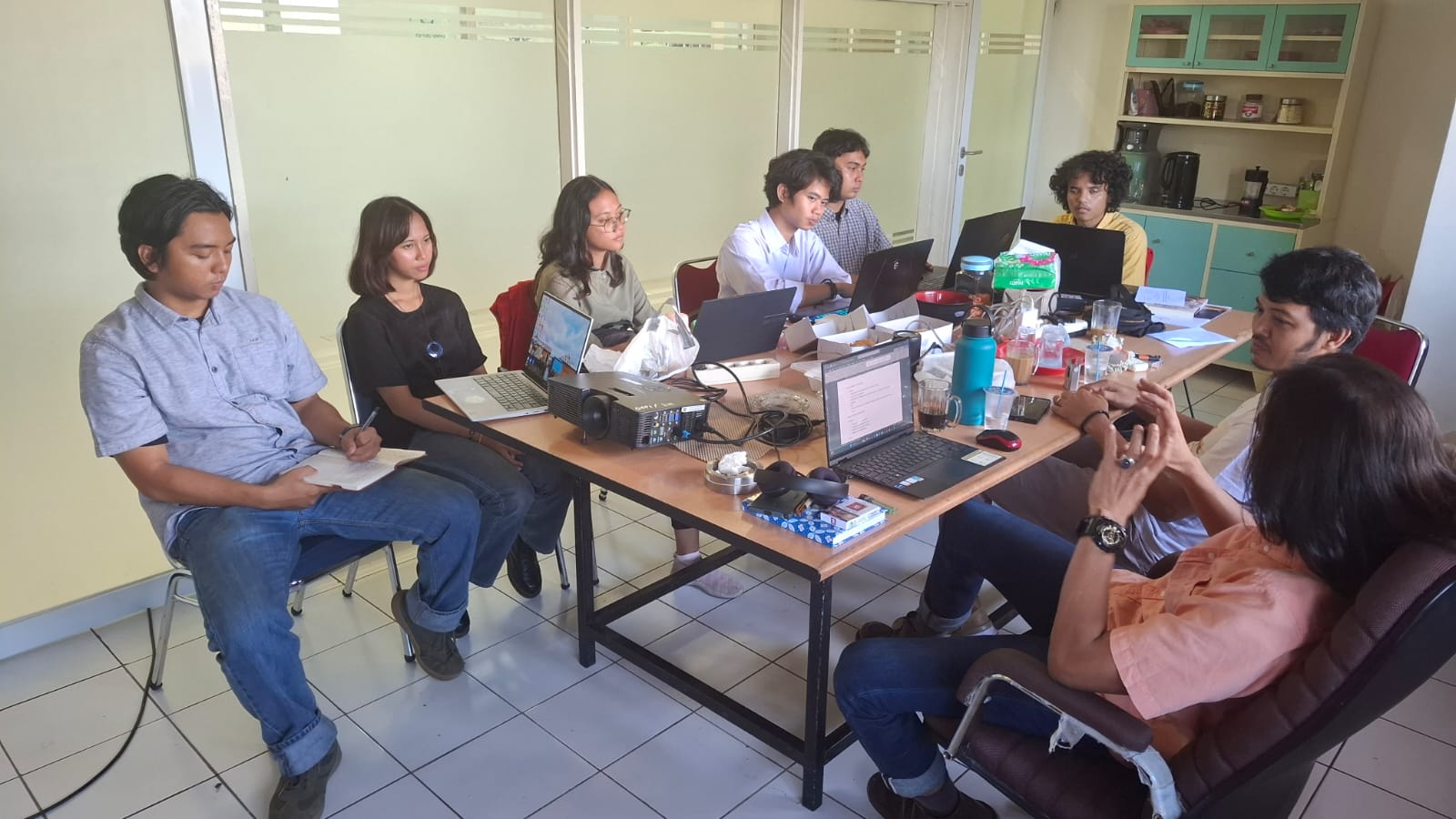
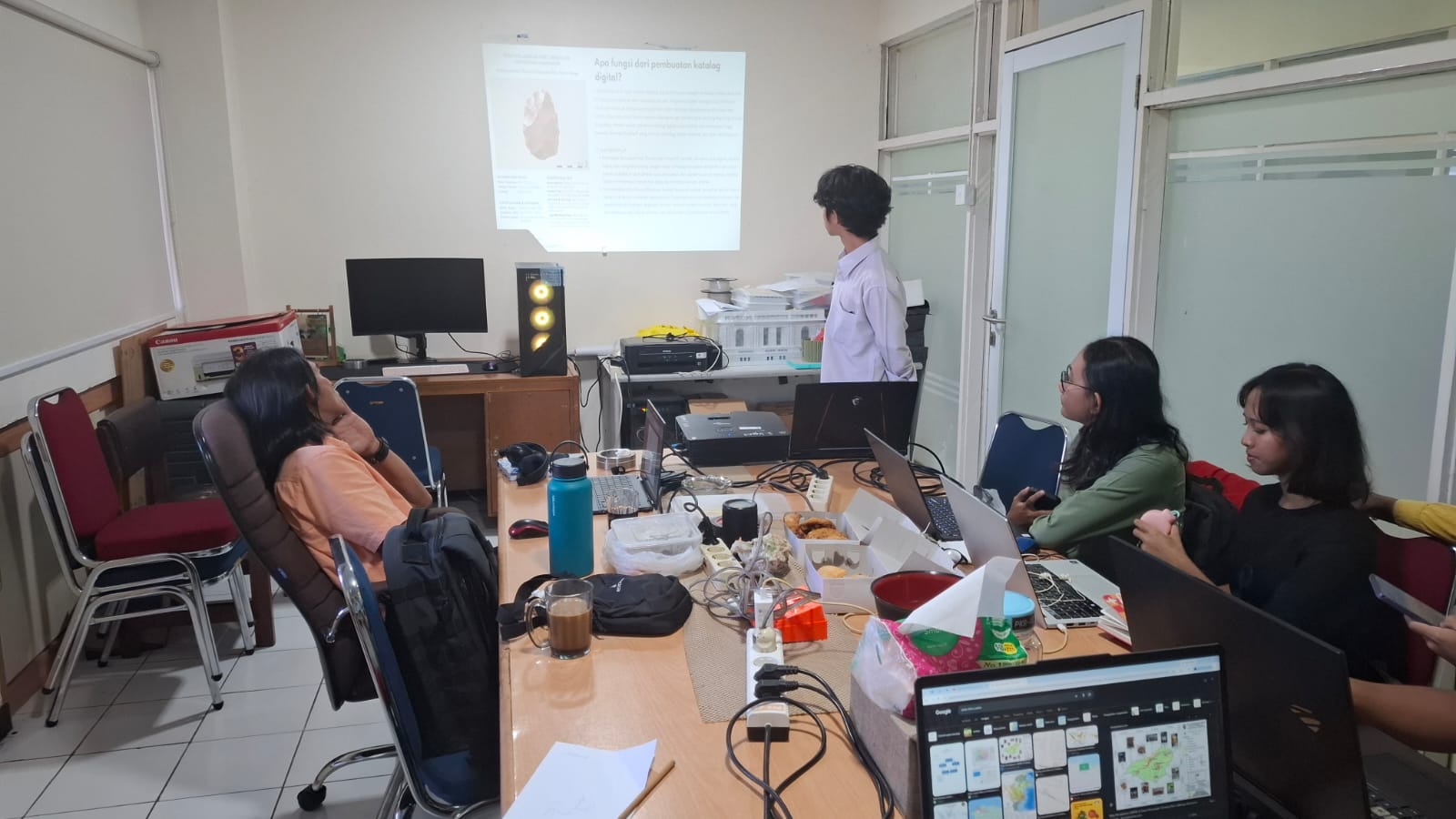
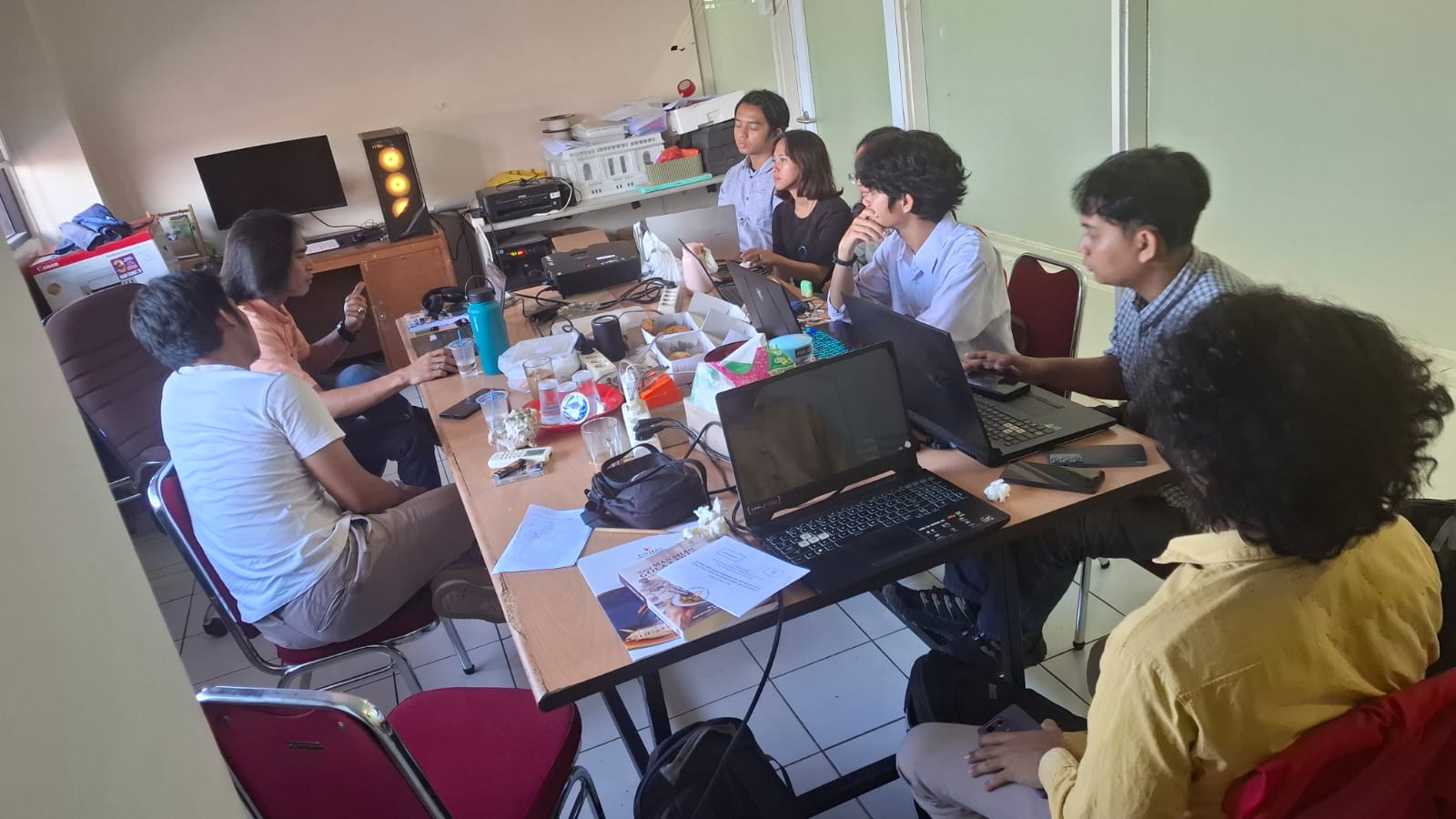
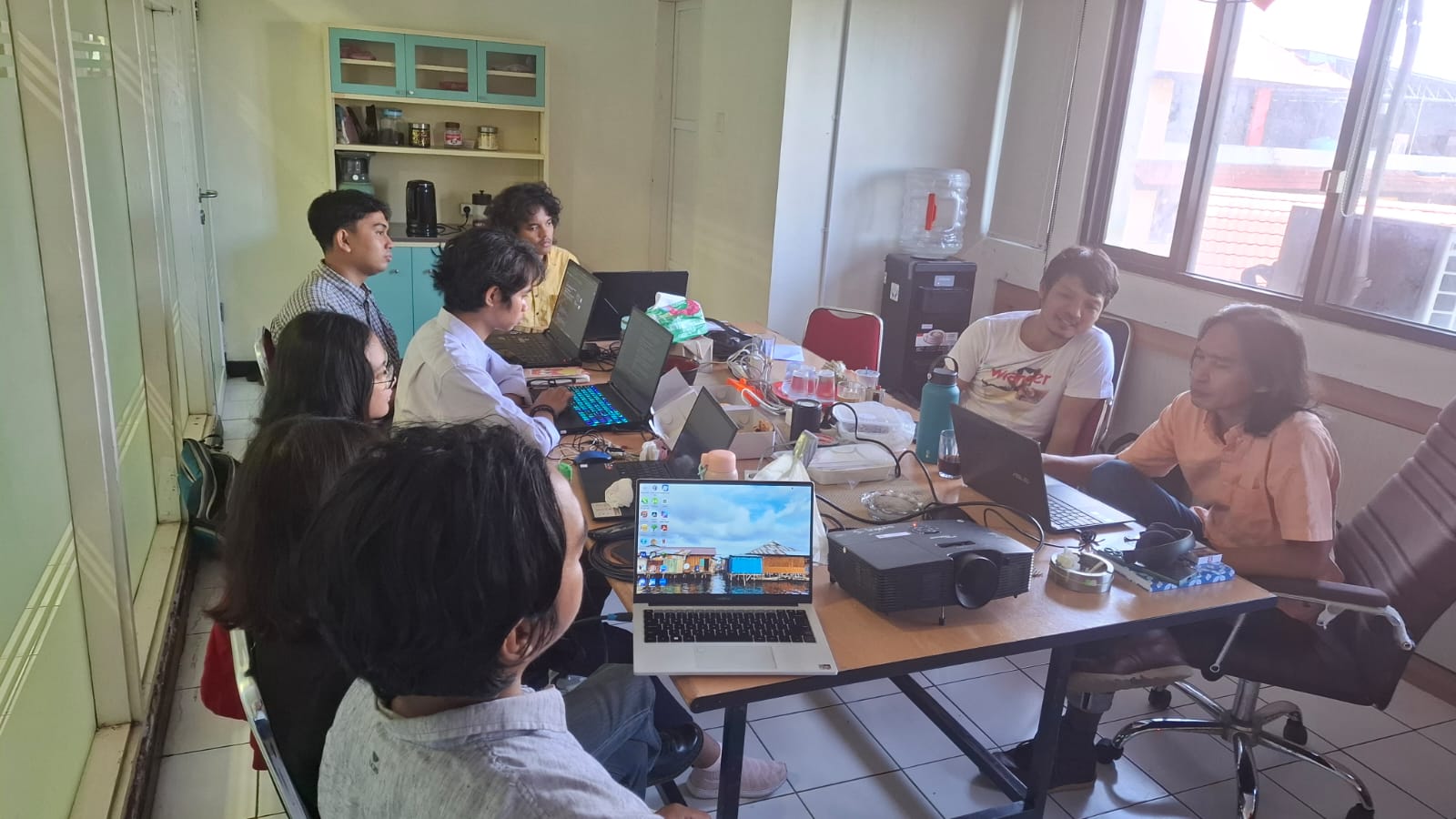
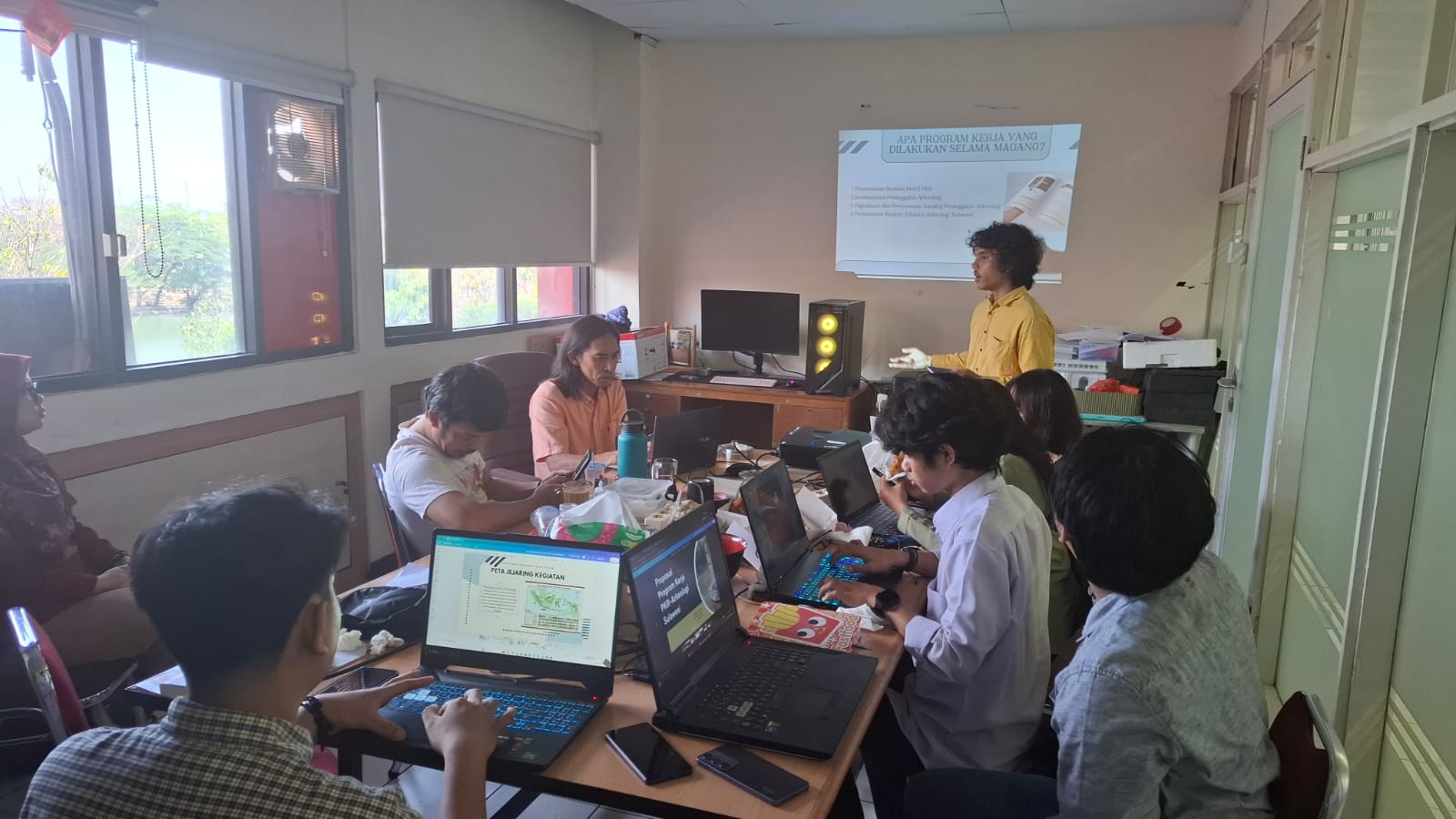
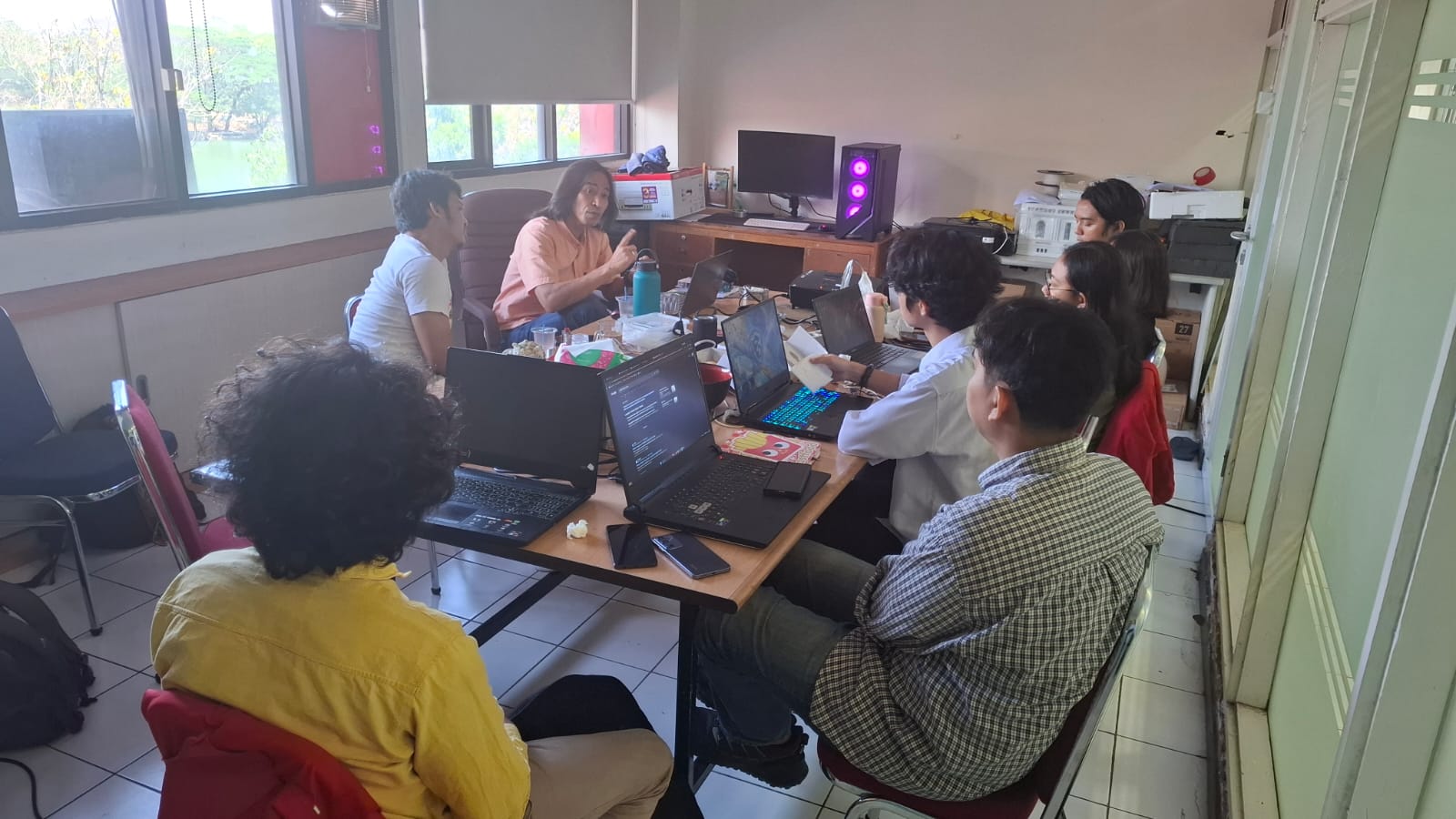
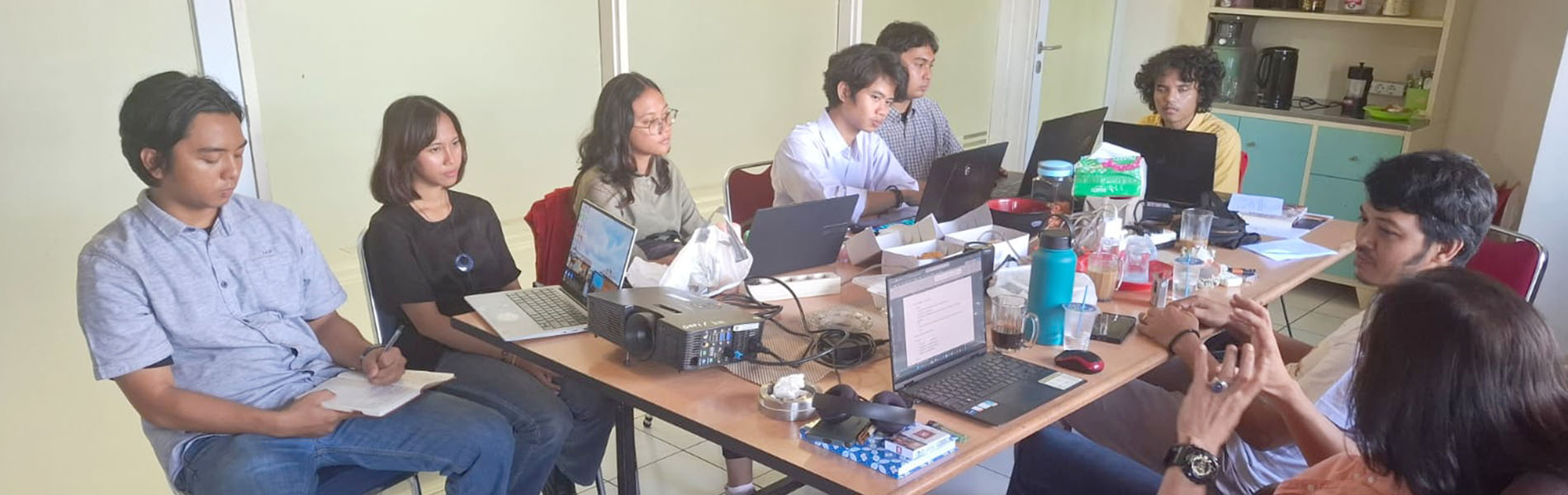
Makassar, 31 August 2026 — In an effort to strengthen practical skills whilst supporting the fulfilment of Key Performance Indicators (KPIs) for higher education institutions—particularly regarding learning programmes outside the degree programme—six students from the Archaeology Undergraduate Programme, Department of Archaeology, Faculty of Humanities, Hasanuddin University (Unhas), held a seminar to present their internship work plans at the Sulawesi Archaeology Research Collaboration Centre (PKR).
This internship programme is designed as a platform for applying theoretical knowledge to the realm of technical work and professional research. During the seminar, the students presented their strategic work plans:
| No | Full Name | Work Programme |
|---|---|---|
| 1 | Muhammad Gandhi Gautama | Focused on mapping work activities within the PKR-Archaeology Sulawesi programme and compiling the annual bulletin. |
| 2 | Vedernelis Godhard Libreks Marbun | Presented the compilation of an institutional profile booklet, the inventory of artefacts, and the digitisation of data. |
| 3 | Aglend Yizreel Suleman | Designing a database system for finds using Agisoft and SketchUp software. |
| 4 | Lydia Fransisca Runtuwene | Leading a programme for documenting work and creating educational content via social media for the general public. |
| 5 | Filda Rahmayani Bintang | Presenting the processing of prehistoric image data into digital format using the tracing method. |
| 6 | Adolf Franklin Mokodopmis | Planning the artefact inventory and adapting scientific research into popular articles for the institution’s website |
The presentation of this work programme was warmly received and garnered a range of constructive feedback from researchers at the Sulawesi Archaeology Research Centre (PKR-Arkeologi Sulawesi). A. Muh. Saiful, S.S., M.A. emphasised the importance of photogrammetry in the digitisation of bone specimens and the layout of exhibition spaces. In addition, Basran Burhan, S.S., provided guidance on the importance of publication strategies, refining work plans, and strengthening the processing of research data and the conservation of artefacts. Complementing this feedback, Suryatman, S.S., M.Hum., underlined the need for integration between the institution’s website and social media platforms, as well as the development of guidelines for the photogrammetric evaluation of artefacts.
Through this programme of study outside the degree programme, it is hoped that students will not only gain real-world work experience and hone their skills in the field of archaeology, but also make a significant contribution to the development of research and publications at the partner institution.