In Support of Key Performance Indicator (KPI) Targets, 10 Archaeology Students from the Faculty of Humanities, University of Hasanuddin, Take Part in Conservation Work on the Makassar City Museum’s Collection
MAKASSAR — Ten students from the Archaeology Undergraduate Programme at the Faculty of Cultural Sciences (FIB), Hasanuddin University (Unhas), undertook a conservation placement with the Makassar City Museum. The activity, which took place in two phases—1–3 September and 7–8 September 2026—is a tangible example of the application of academic knowledge in the field, as well as a form of community service.
The students’ involvement was based on a letter of request for support from the Makassar City Department of Culture (No. 200.1.4.6/40/DISBUD/VIII/2026) as part of the Integrated Protection, Development and Utilisation of Collections (Collection Conservation) programme.
The Application of Academic Knowledge and Practical Experience
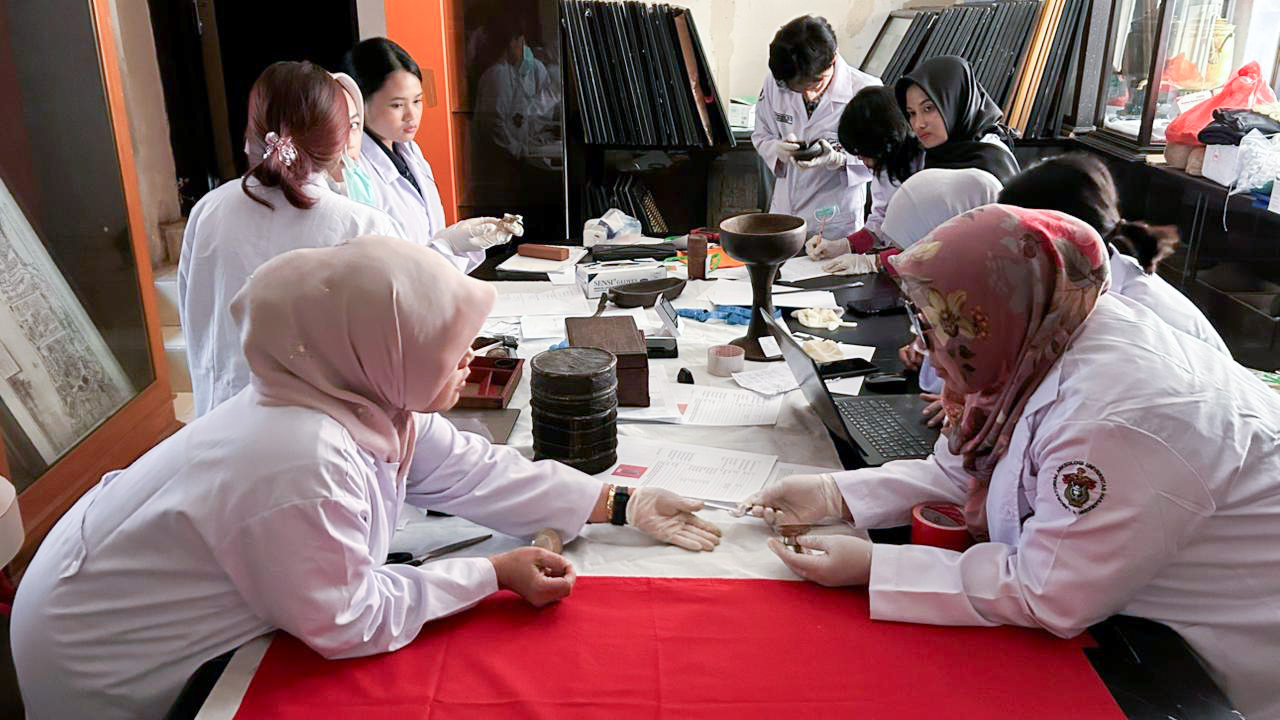
The students involved—namely A. Maddempungeng Tanra Tio, Adinda Nur R. Duri Moral, Agung Hidayat, Attila R. Aulia, Aurista Salsabela, Mulia Azani, Nurfadilla, Rachel Ayu, Syafiqa Kezy, and Syahriatul Mutmainna—acted as Technical Assistants to the Experts.
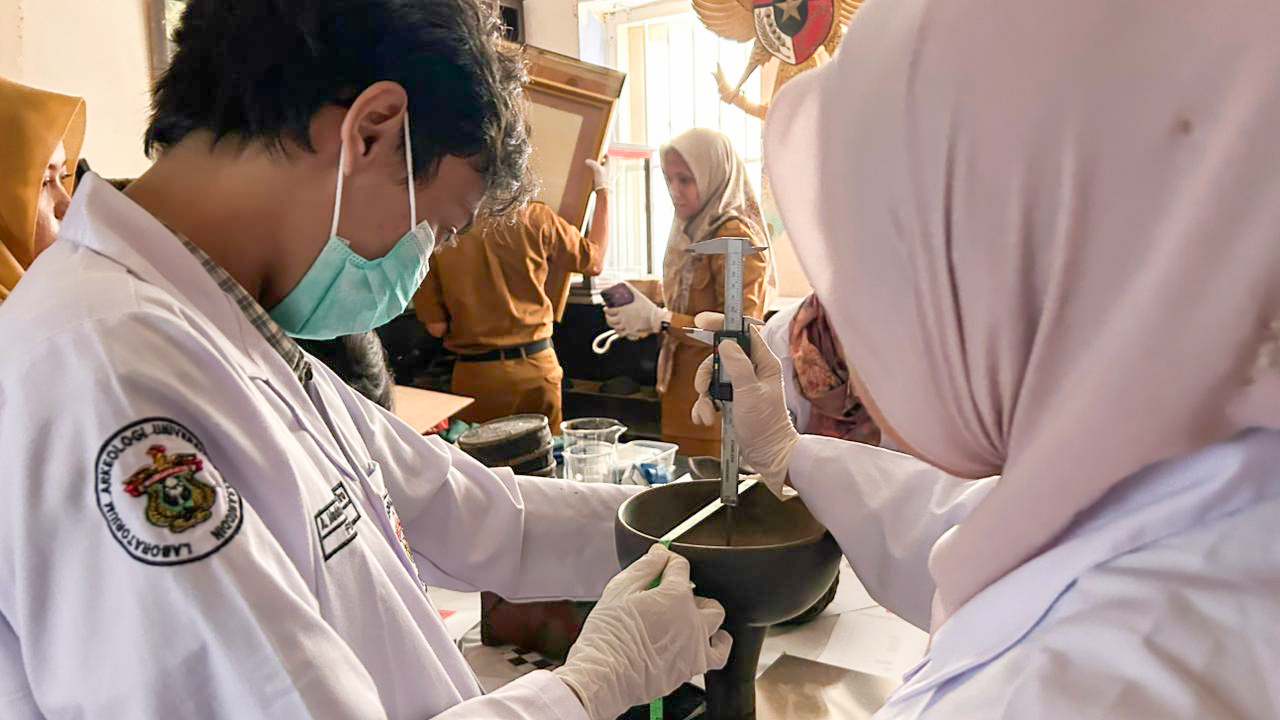
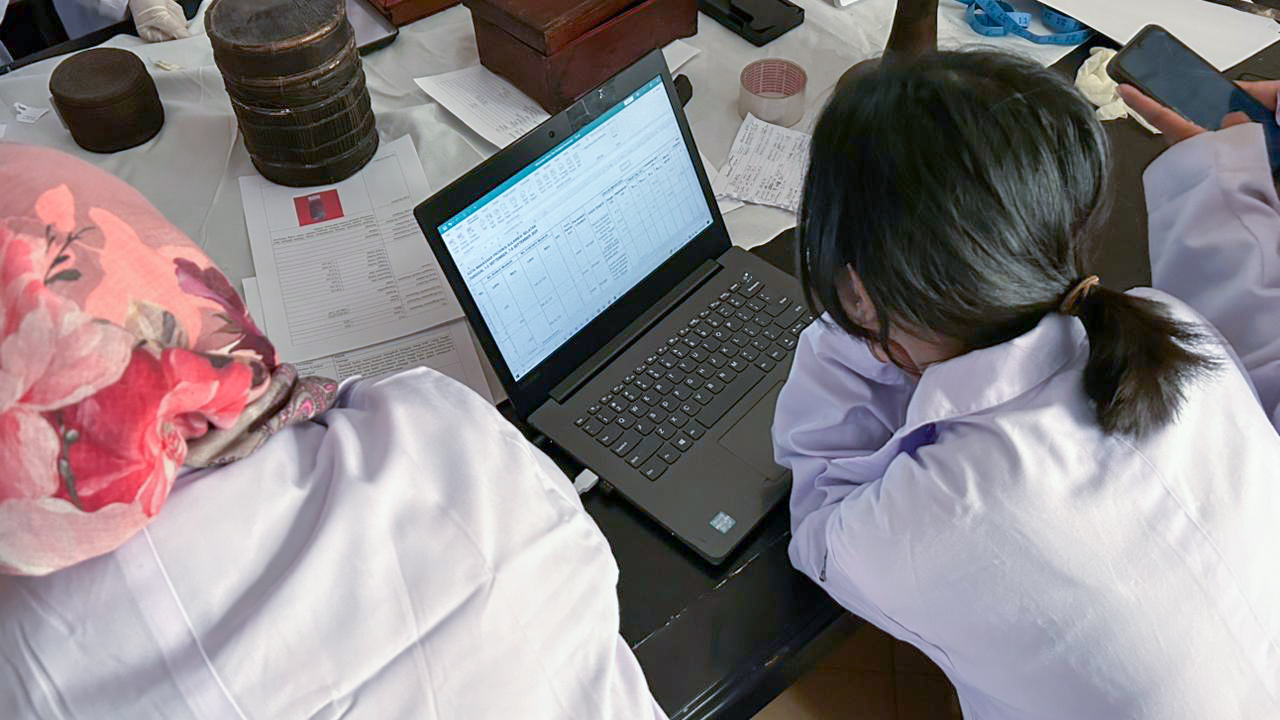
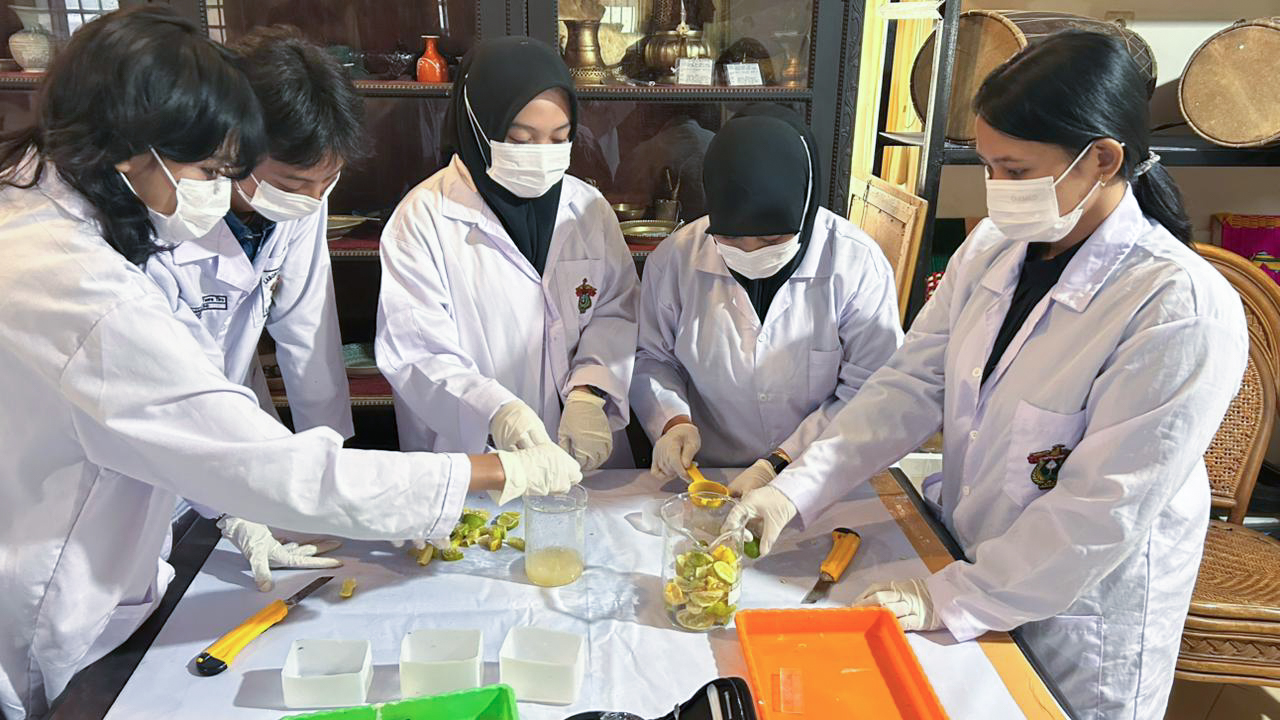
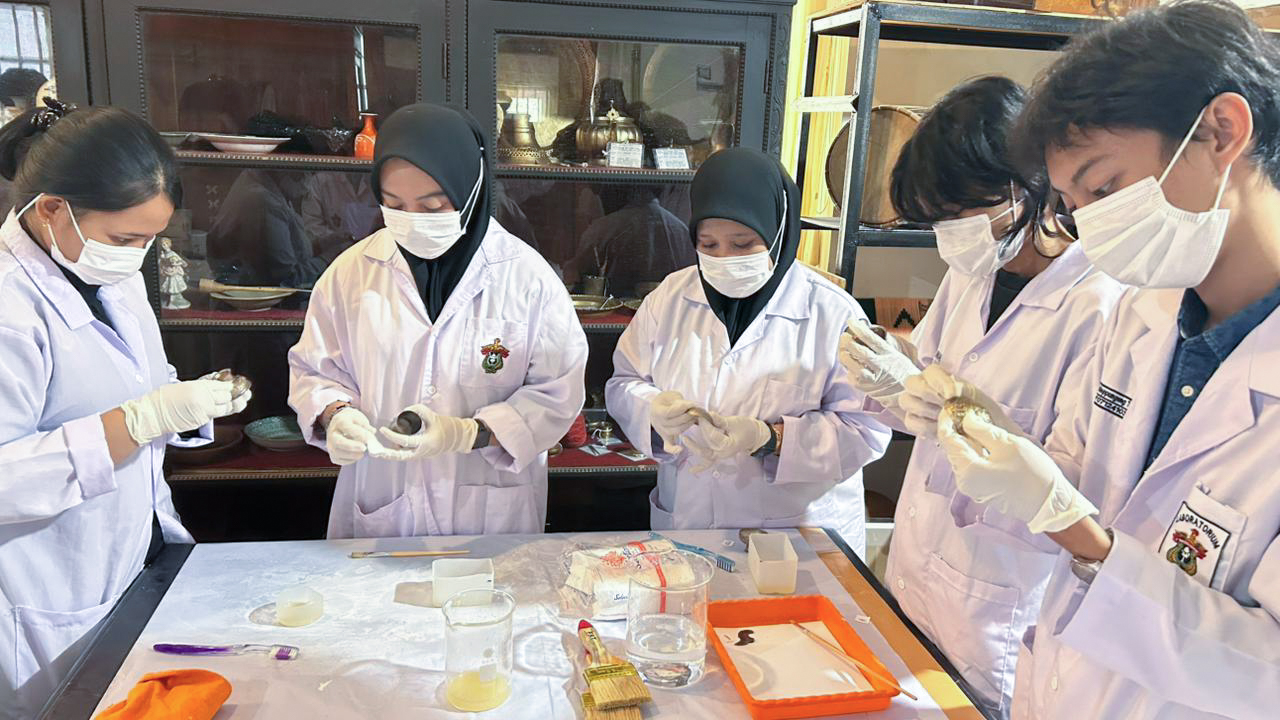
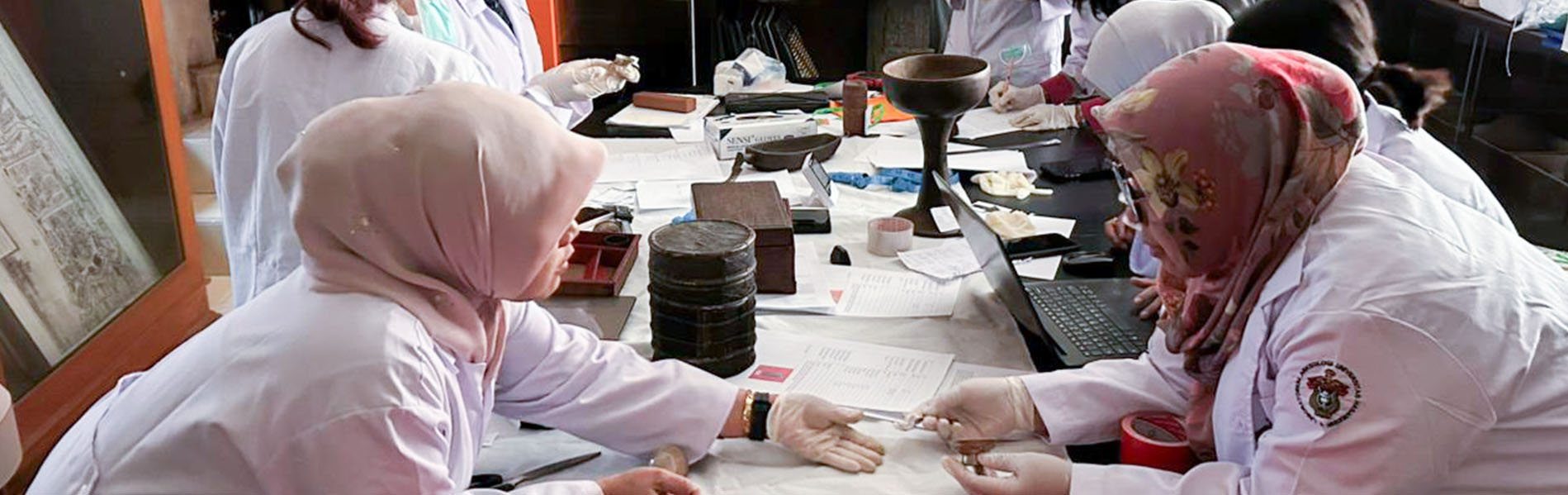
During the project, the students carried out a series of technical processes on 10 wooden artefacts and 8 metal artefacts, including:
- Observation and Identification: Recording descriptions, registration, documentation, and analysis of the initial condition of the artefacts.
- Conservation of Metal Artefacts: Treatment of metal materials using natural lime.
- Conservation of Wooden Collections: Preparation and application of a traditional conservation mixture comprising cloves, gambir and tobacco.
This conservation and treatment process was supervised directly by an expert lecturer, Dr Khadijah Thahir Muda, and a representative from the Cultural Heritage Preservation Centre (BPK), Ms Indah, M.Hum. All activities concluded with a final documentation session before the collection was returned to its original storage area.
Supporting Key Performance Indicators (KPIs) for Higher Education Institutions
This strategic collaboration between the Archaeology Study Programme at the Faculty of Humanities, Hasanuddin University, and the Makassar City Department of Culture makes a direct contribution to the achievement of Hasanuddin University’s Key Performance Indicators (KPIs), including:
- KPI 2 (Students Gaining Off-Campus Experience): Students gain practical experience of academic and professional value directly at government agencies or museums off-campus.
- KPI 3 (Lecturers Engaged in Off-Campus Activities): Lecturers from the Archaeology Programme participate and contribute as expert conservators in supporting local government activities.
- KPI 5 (Outputs from Lecturers/Study Programmes Utilised by the Community): Unhas’s conservation methods and archaeological expertise are directly utilised for the preservation of local cultural heritage artefacts at the Makassar City Museum.
Through these activities, it is hoped that the academic competence and technical skills of Unhas Archaeology students will be further strengthened, whilst simultaneously strengthening the partnership network between Unhas and local government agencies in safeguarding cultural heritage.