
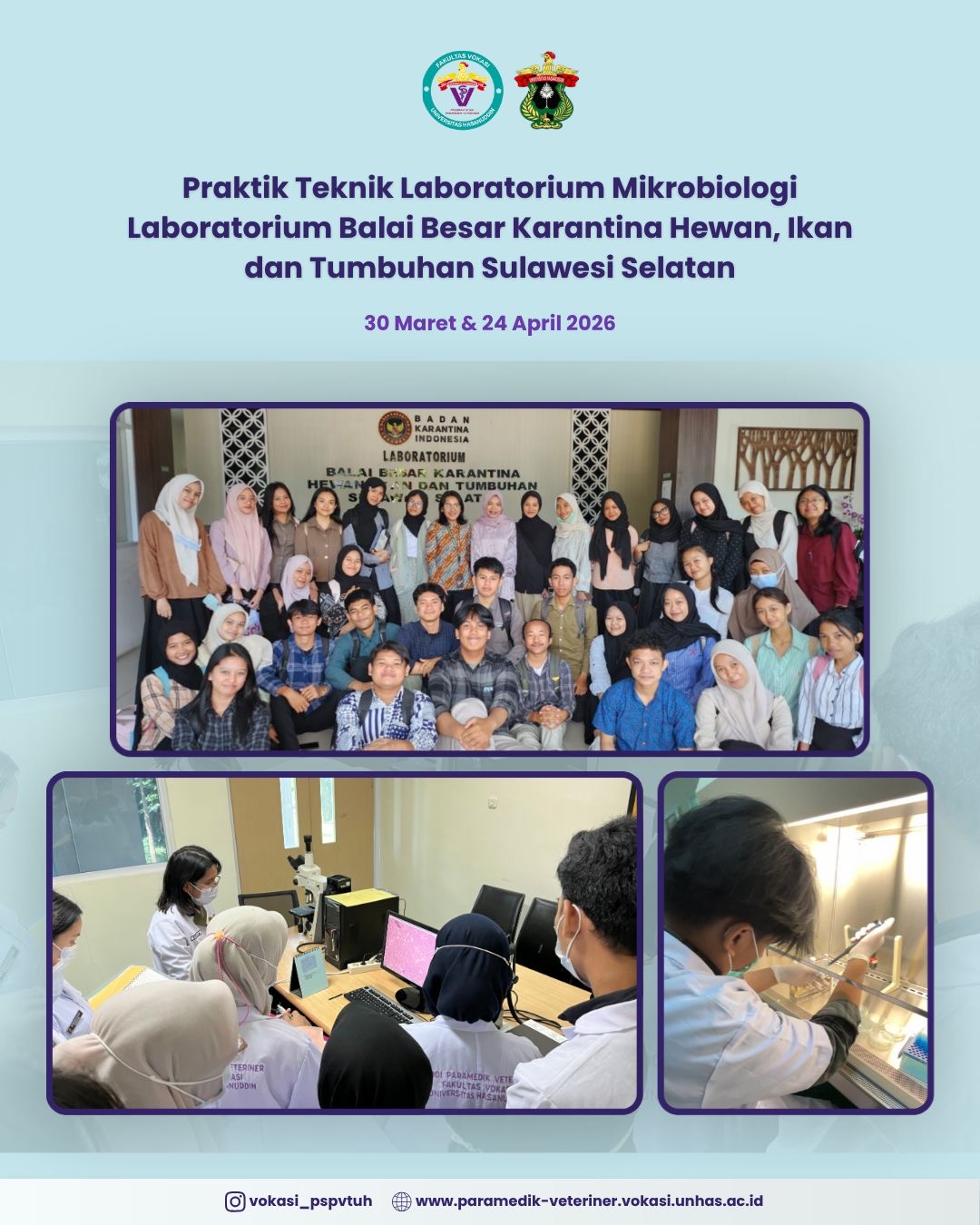
Microbiology Laboratory Techniques Practice at the Animal, Fish, and Plant Quarantine Laboratory of South Sulawesi
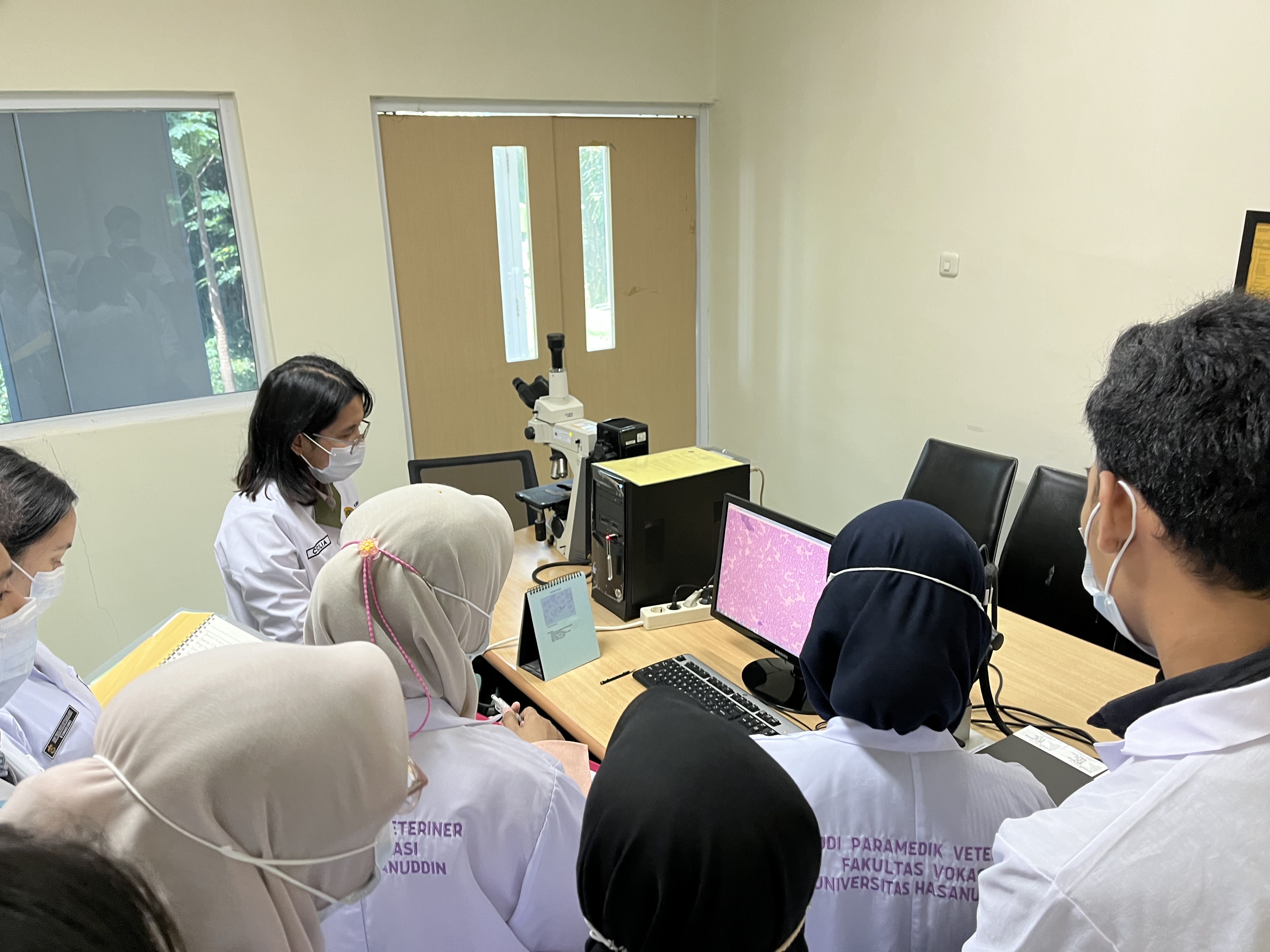
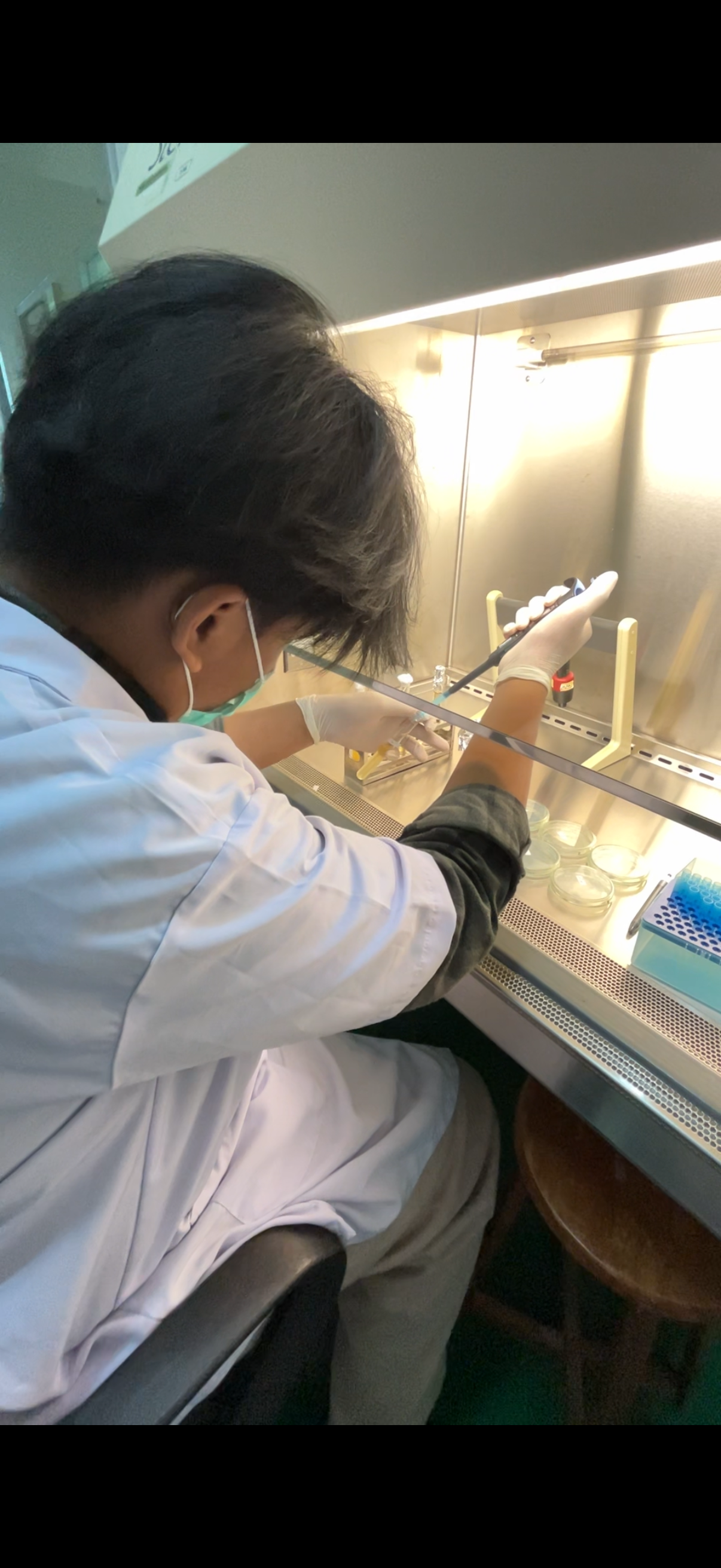
Through this activity, students were introduced to various stages of microbiology laboratory work, including the identification of laboratory equipment and materials, the application of occupational safety procedures, sample handling techniques, microbiological examination processes, and the importance of accuracy in reading and analyzing test results. Each stage emphasized precision, discipline, and adherence to standard operating procedures to ensure valid and accountable laboratory results.
As future veterinary paramedics, students play a strategic role in supporting the national animal health system. Laboratory competence is an essential foundation for detecting potential diseases, preventing the spread of infectious agents, ensuring the safety of animal products, and supporting the quarantine system, which protects animal, human, and environmental health.
This practical activity also strengthened students’ vocational skills by connecting classroom theory with real workplace demands. From the laboratory to the field, the role of veterinary paramedics begins with accuracy, responsibility, and a strong commitment to public health and safety.
Through direct learning in a quarantine laboratory environment, the Veterinary Paramedic Study Program continues to produce graduates who are skilled, professional, adaptive, and ready to contribute to animal health services, biosecurity, and the strengthening of the national quarantine system.